Korva is a scroll of the internet’s best ideas.
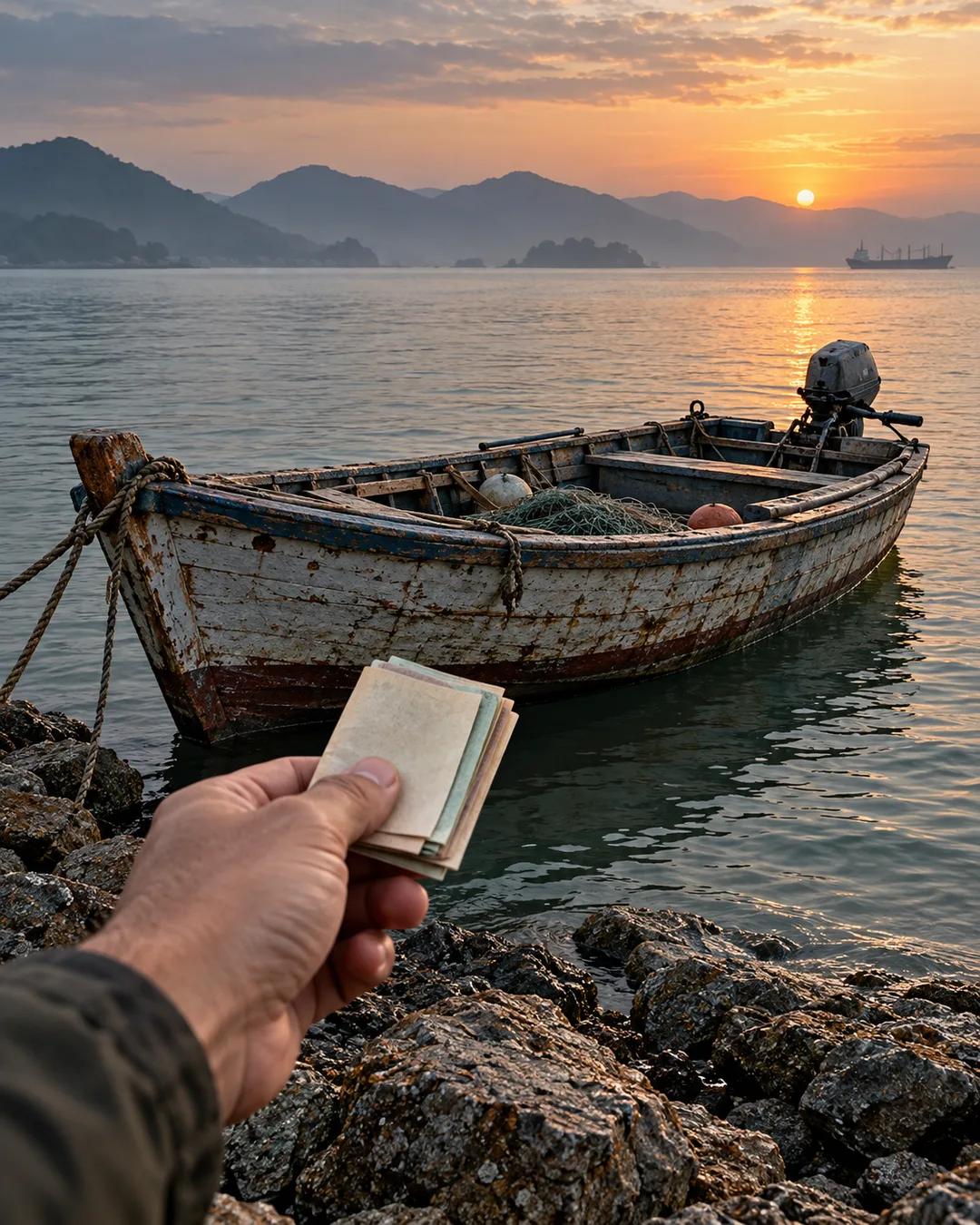
Analyst bribed a boatman into Hormuz

A toll route
The firm was Citrini Research, which had already gone viral once for a post about AI gutting white-collar jobs. This time its researcher wanted first-party data on the strait itself. He got out on the water and found it was neither open nor closed. It was functioning as a bit of a toll route, where anyone from the right country who paid the right bribe got through.
The firm's reply
The firm's reply to the anger that followed was that readers had first been upset about white-collar jobs going away and were now upset at a demonstration of the only types of jobs that will be left. Those jobs feed real-world information and context back into the engine.
What analysts still do
AI can read a spreadsheet, every earnings report, and every earnings call on earth at the same time, and it is expected to far outperform an analyst at that work. What remains for an analyst is being in the field and bringing back higher quality first-party data for the AI to decide on.
Why does the Strait of Hormuz matter so much?
The strait is a narrow passage between Oman and Iran that links the Persian Gulf to the open ocean. The US Energy Information Administration has estimated that roughly a fifth of the world's oil consumption passes through it. Few overland pipelines can carry that volume around it, so tankers mostly use the strait. At its narrowest point the shipping lanes are only a couple of miles wide in each direction.
Why do investment firms pay for first-hand information?
Many hedge funds buy what the industry calls alternative data, meaning facts gathered outside company filings. Satellite photos of retail parking lots are a well-known example, because the number of parked cars gives an early estimate of store sales. Satellite images of oil storage tanks are used the same way. A source that others cannot easily copy gives a firm an edge before the news reaches public reports.
How does a strait become a toll route?
Narrow waterways have been used as toll points for centuries. Denmark charged ships a fee to pass through the Sound between Denmark and Sweden from the 1400s until 1857, and the fee funded a large share of the Danish crown's income. The Danish tolls ended through a treaty in which other trading nations paid a lump sum. Control of a chokepoint gives whoever holds it leverage over everyone who has to pass.
More from My First Million