Korva is a scroll of the internet’s best ideas.
Anonymous location data points to you

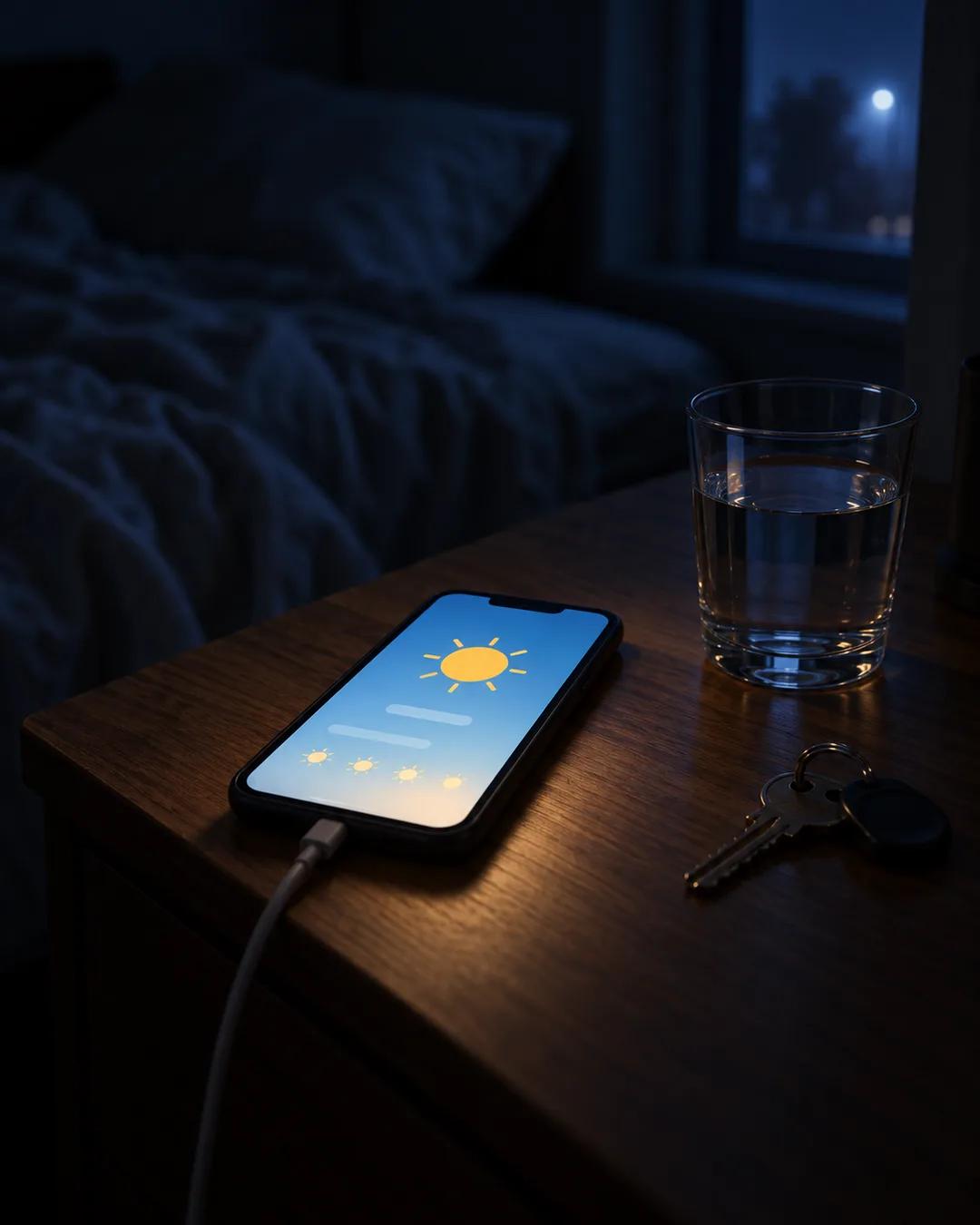
Where a phone sits at night, where it travels during the day, and where it returns the next night correlates closely with a real person's movements and identity. In one Washington, DC home, one resident leaves each morning for an office downtown and comes back every night, while the other resident heads to a different office, so each phone shows a pattern no one else shares.
The data comes off apps like weather apps and games when users opt in, and it covers the movement of hundreds of millions of devices. Getting down to people's identities in these data sets is not all that difficult.
Even a coffee run feeds it. A customer who enables GPS on the Starbucks app to get rewards at the door also lets a bunch of data brokers know the customer was at Starbucks.
How few location points identify someone?
A 2013 study in Scientific Reports by Yves-Alexandre de Montjoye and colleagues examined mobility records for 1.5 million people. People's routines are distinctive, so a short trail of places is rarely shared by anyone else. Four approximate time and place points were enough to uniquely identify 95 percent of the people in the records, which contained no names.
How did reporters trace anonymous phone data?
In 2019 The New York Times obtained a location dataset covering more than 12 million phones in the United States, collected in 2016 and 2017. The file listed no names. Reporters followed individual devices from a home overnight to a workplace by day, then confirmed identities by contacting the people involved. The dataset held more than 50 billion location pings.
How precise is a phone's location?
Under open sky, phones use GPS satellites and a receiver in the device to work out position. Indoors and between tall buildings, accuracy drops, and phones add nearby Wi-Fi networks and cell towers to estimate where they are. The US government's GPS.gov says smartphone GPS is typically accurate to within about 4.9 meters, or 16 feet, under open sky.
More from Shawn Ryan Show