Korva is a scroll of the internet’s best ideas.
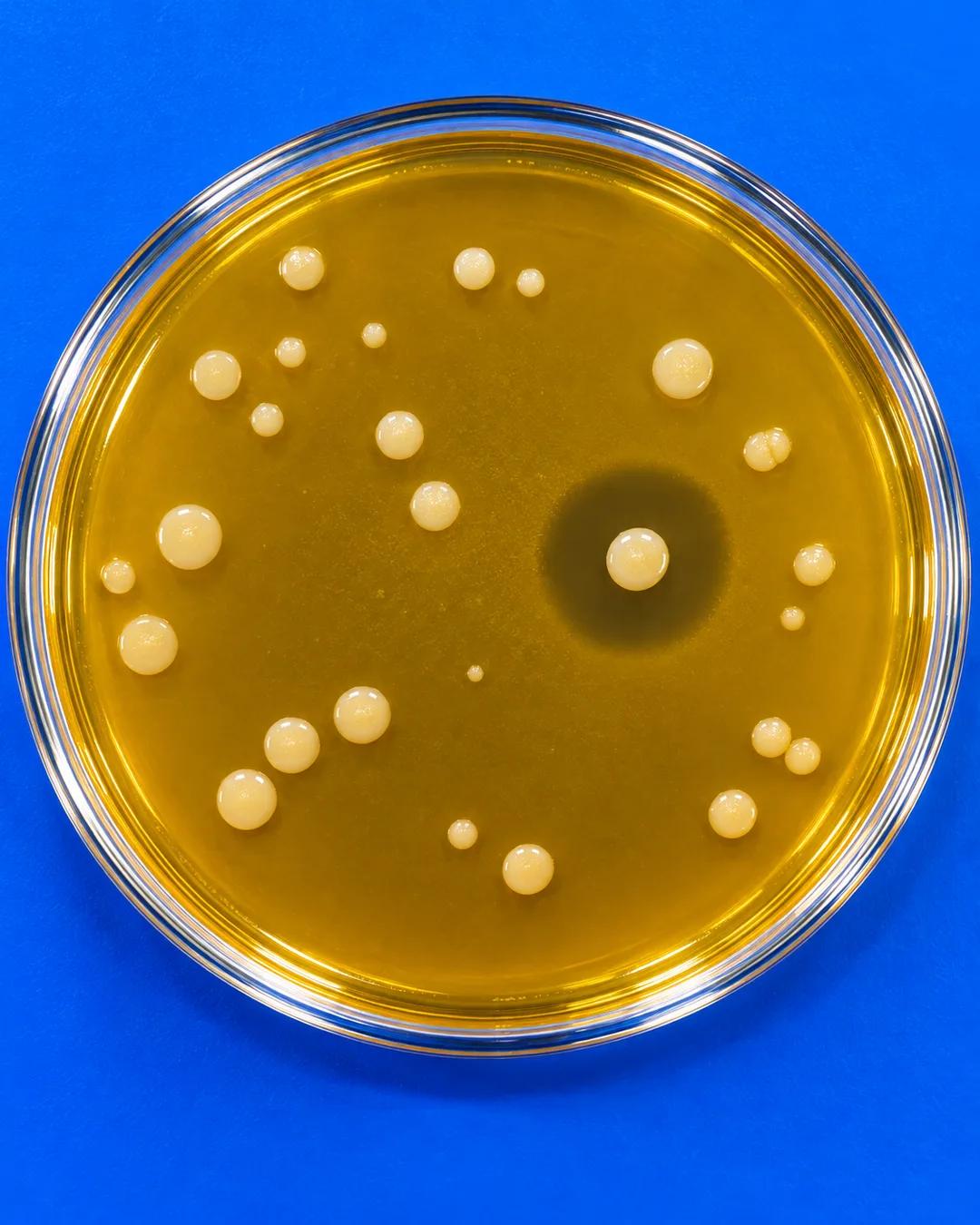
Antibiotic leads in the deep

Microbial warfare
Antibiotics are microbial warfare turned into a tool: they help fight the few microbes that make people sick. Microbes have been wrestling with one another for as long as there have been microbes, so the deep sea is a source of inspiration for how to think about it.
An Arctic Sea study
A 2024 study by researchers in Finland and Norway looked at compounds from actinobacteria living inside invertebrates in the Arctic Sea. They found two with strong antiviral and antibacterial effects against E. coli.
A heavy lift
Many candidates have come from studies of the ocean and the deep sea, but getting them to trial is a really heavy lift. The basic research is still solidly underway, and there is a lot left to learn about how microbes deal with other microbes.
Why do microbes make antibiotics at all?
Microbes compete with their neighbors for space and food. Making a compound that kills or slows rivals gives the producer an edge. Penicillin, found by Alexander Fleming in 1928, came from a mold that stopped bacteria growing near it. Many antibiotics in use today were first found in soil bacteria called Streptomyces.
Why are actinobacteria such good drug sources?
Actinobacteria include Streptomyces, which carry large clusters of genes for making complex chemical compounds. They have produced a large share of the antibiotics in clinical use. Many species also live in partnership with animals, where defending their host is part of their job. This makes marine invertebrates a promising place to look.
Why is getting from candidate to trial so hard?
Many compounds that kill microbes also damage human cells. A producer microbe found in the deep sea may not grow in the laboratory, so scientists may have only tiny amounts to test. Making the compound in quantity can take years of chemistry. Clinical trials then need to show safety and effect in people.