Korva is a scroll of the internet’s best ideas.
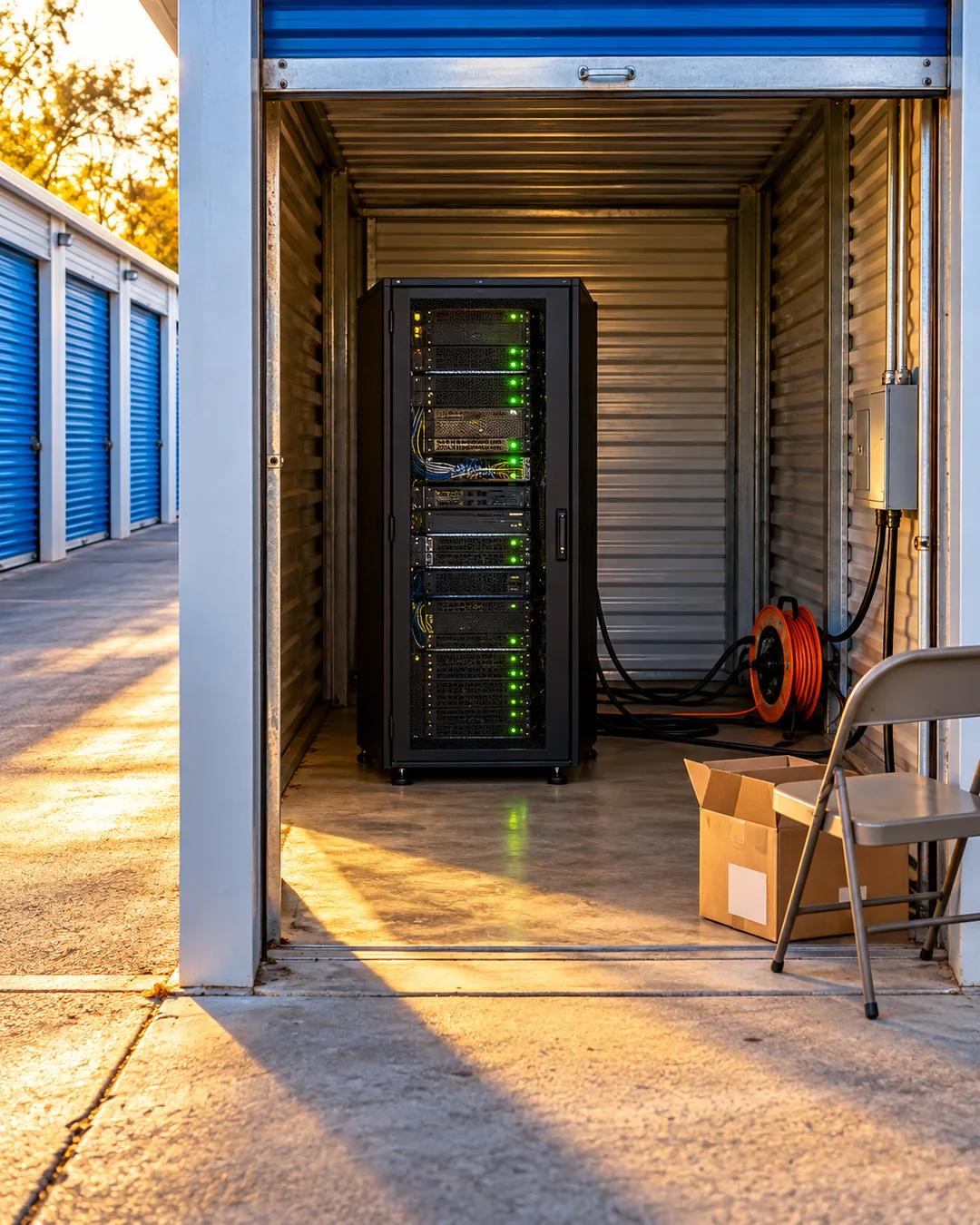
Anyone can profit renting compute

How little it takes
A GB300 rack, open weights such as Kimi, vLLM or SGLang for serving, and a listing on OpenRouter are enough. Coding agents like Codex and Fable can help with the setup. It takes work but is not rocket science, and the revenue comes in above what the compute costs.
Prices follow demand up
Because anyone can earn a margin there, compute priced at $10 million to $15 million per megawatt has started to inflect up. Reaching 100 gigawatts by 2028 would mean the two labs take 70 to 80% of the incremental compute, and to do that they would have to pay $25 million, $30 million, or $50 million per megawatt.
How do serving engines raise throughput?
Programs such as vLLM batch requests continuously, so a new request can join a running batch as soon as another finishes. Researchers at UC Berkeley described PagedAttention, vLLM's way of storing the model's attention memory in small pages, in a 2023 paper. It cut wasted GPU memory, which lets each chip serve more requests at once.
How does OpenRouter let anyone sell AI?
OpenRouter gives developers a single interface to many models and routes each request among providers hosting the same model. It chooses by price, speed, and availability. A newcomer with spare capacity can therefore list a model and receive traffic without building a customer base.
Why do open weights open the market?
Anyone can download open weights and run them without a licensing deal. Many providers then host the same model and compete on price. In a market like that, profit per megawatt depends mostly on how busy the hardware stays.
More from Dwarkesh Podcast