Korva is a scroll of the internet’s best ideas.
Anything repeated must be livable

Science fiction and comedy don't necessarily work together. Futurama grew from a look at The Jetsons, whose apartments sit on stilts and whose Earth is never shown, and a curiosity about what's going on down below. It had to be pretty bad.
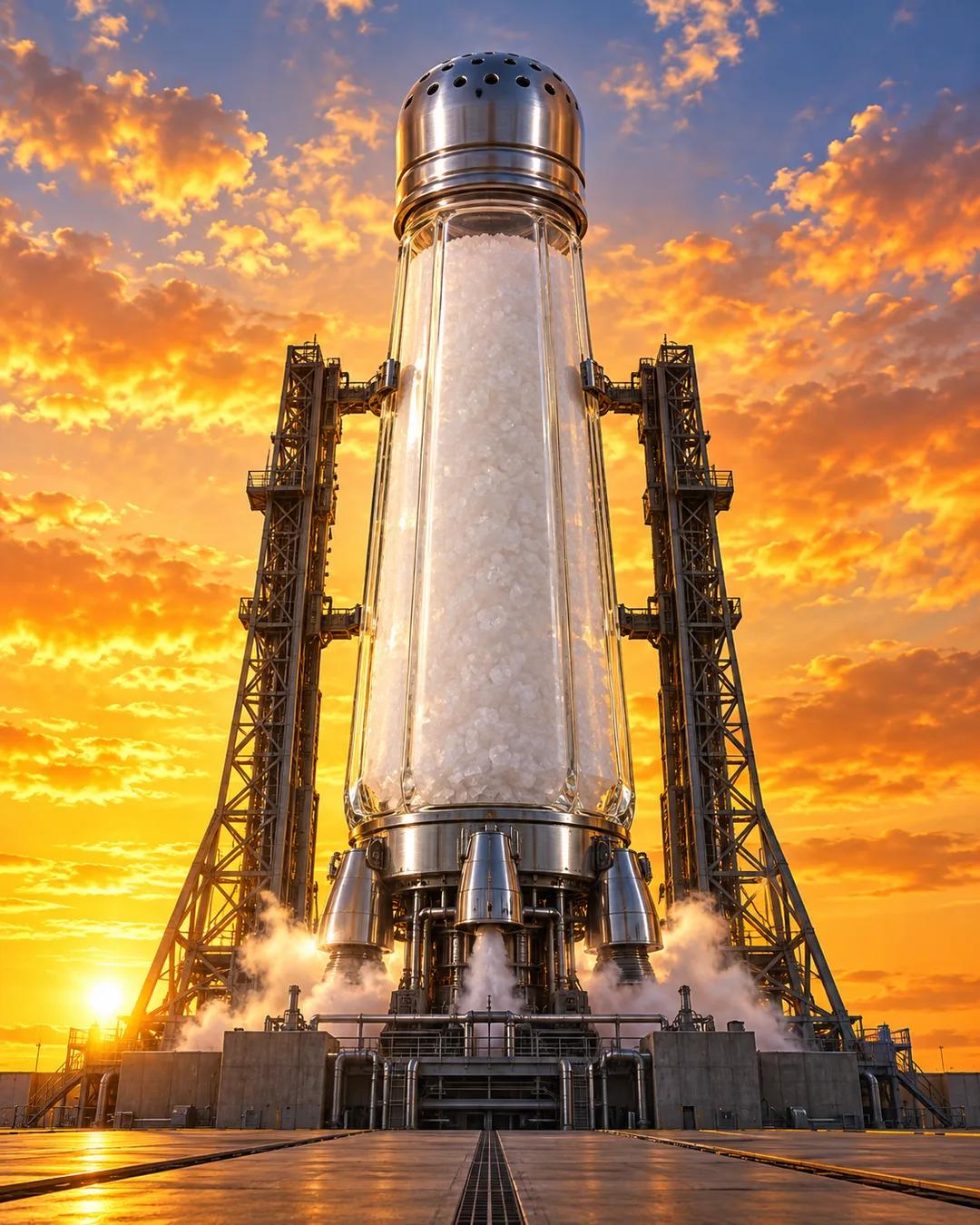
A joke can make the setting funny, but a running design gets old fast. A rocket ship shaped like a salt shaker is funny the first time. The second time, it's irritating, and the third time, it's infuriating.
That holds for anything the audience sees again and again in a show's world: the ship, the set, the running design. It has to survive being looked at over and over.
Why does a repeated joke turn irritating?
Psychologist Robert Zajonc reported in 1968 that people tend to like things more after repeated exposure, an effect he called mere exposure. Psychologist Daniel Berlyne proposed in 1970 that liking rises and then falls with repetition, because boredom and irritation build up after enough exposures. The resulting curve is shaped like an upside-down U, and studies of songs and advertisements have found versions of it. Berlyne's account is known as the two-factor theory.
How did The Jetsons picture the future?
The Jetsons premiered on ABC in 1962 and was made by Hanna-Barbera as a space-age counterpart to The Flintstones. The family lived in Orbit City, in apartments held up on tall poles above the clouds. Flying cars, robot maids, and push-button gadgets filled the show. Its original run was one season of 24 episodes, and new episodes were made in the 1980s.
More from Conan O’Brien Needs A Friend