Korva is a scroll of the internet’s best ideas.
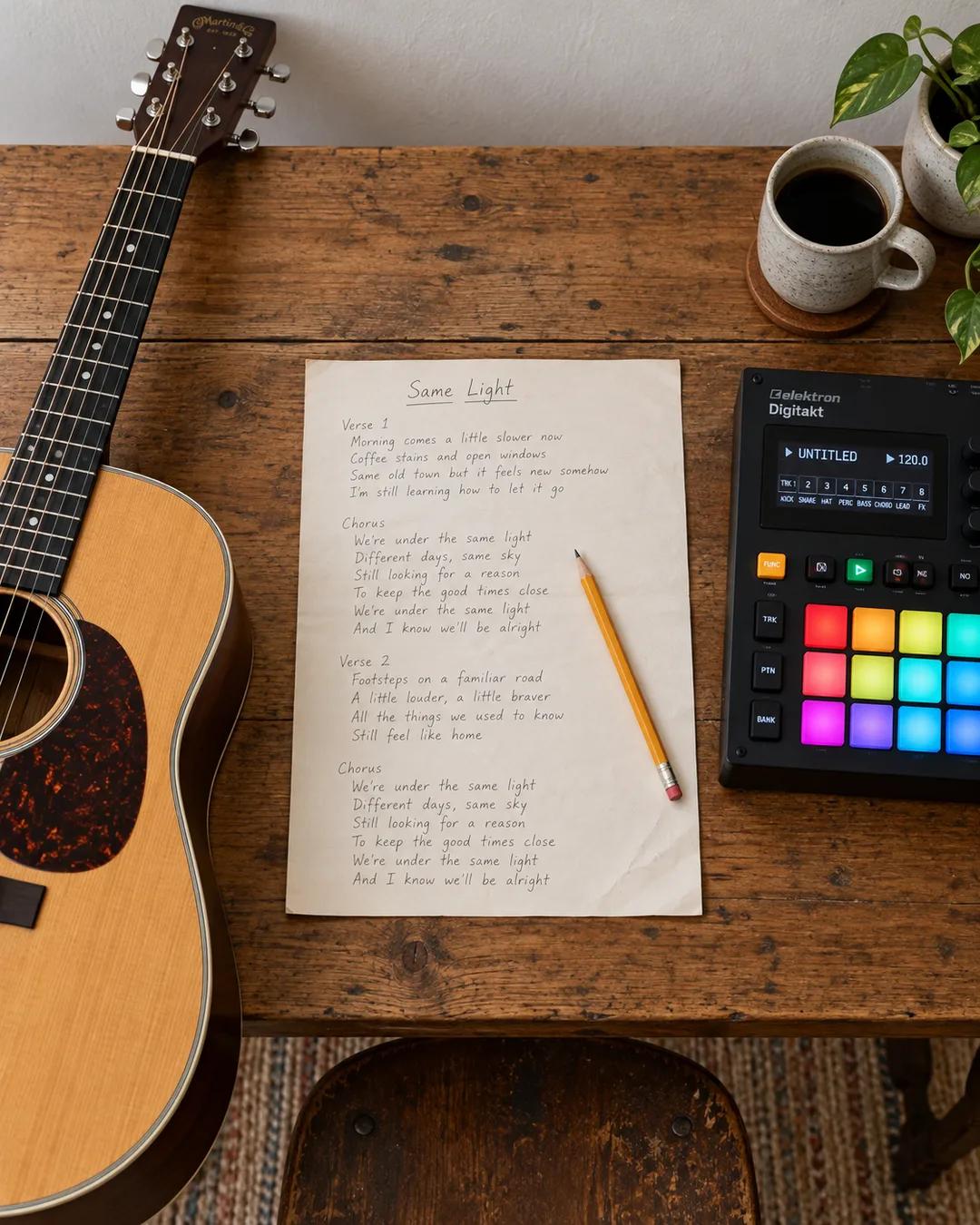
Arrangement decides how lyrics feel
Framing changes feeling
Put Coal on an EDM track and people wouldn't care about the lyrics, because it wouldn't feel sad. A ballad piano version of the Drake & Josh theme song sounds like a beautifully written, kind of deep song. Jason Isbell's lyricism comes across a certain way because of his guitar playing and raspy voice, whether he intends it or not.
The reverse
The reverse works too. Turnpike, a band that writes some of the best songs in the world, can put lyrics that might be sad, like a father threatening a beating if the narrator ever returns to the county, over a four-on-the-floor groove, and the result feels like a good time.
Minor chords
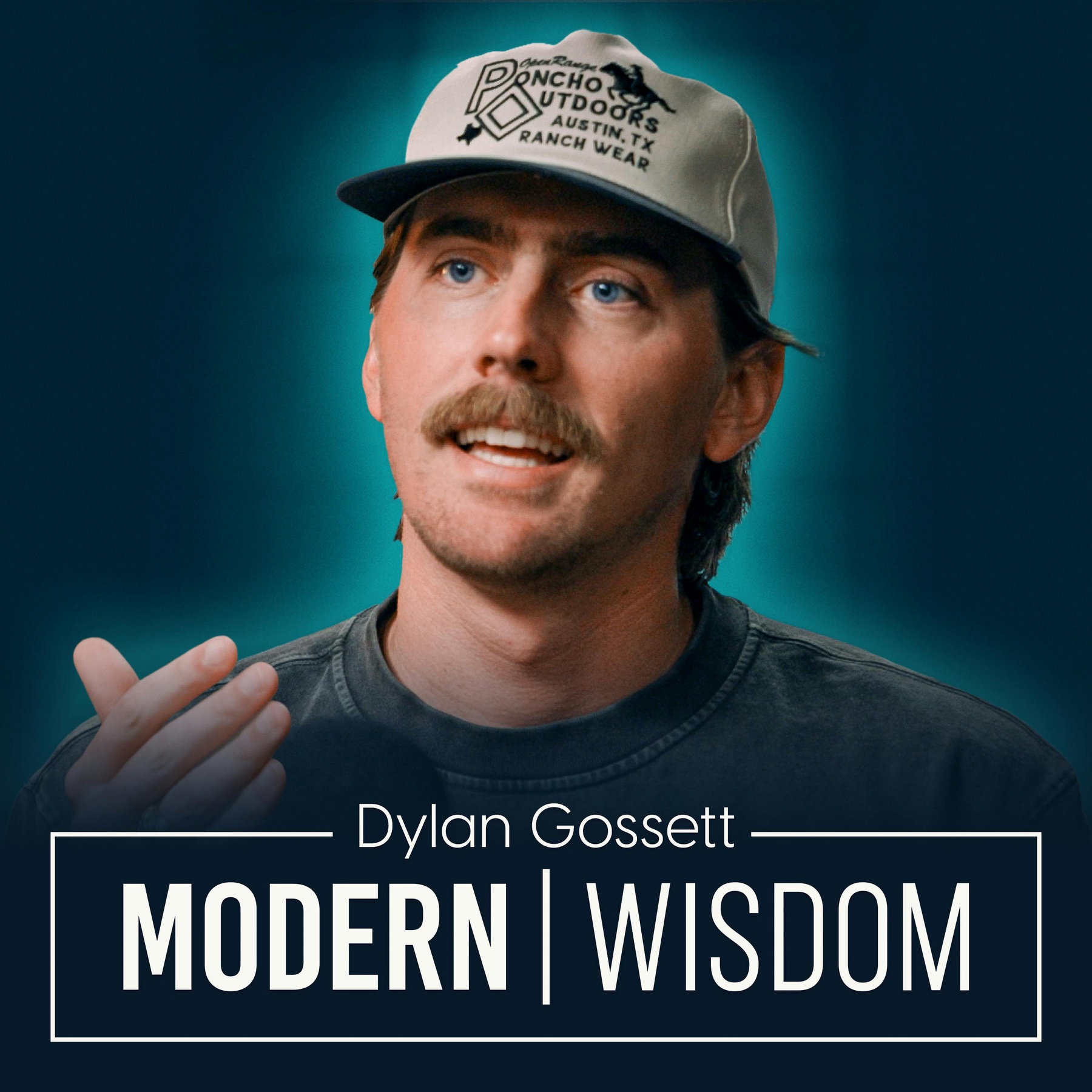
Minor chords on a guitar pull a song toward sadness, and Dylan Gossett leans into that, putting on a slow sad song even when he's the happiest guy in the world. Sad songs also come easier to him: at the same level of lyric writing, his happy songs come off cheesier.
Why do minor chords sound sad?
In 1935, psychologist Kate Hevner played pieces of music to listeners and found they rated minor-key pieces as sadder than major-key ones. A later study by Isabelle Peretz and Lise Gagnon in 2003 found that tempo mattered even more than mode: slow music was heard as sad and fast music as happy. The association is partly learned through exposure to Western music. Listeners in other musical traditions do not always link minor sounds with sadness.
How can a sad lyric make a party song?
Dance music often places a kick drum on every beat, a pattern called four on the floor that grew out of disco and house. That steady pulse invites movement, and movement shapes how the words are heard. OutKast's 2003 hit Hey Ya! is often cited as an example, with its upbeat tempo carrying lyrics that question whether love lasts. Pairing a cheerful groove with downbeat words is a long-standing songwriting technique.
More from Modern Wisdom