Korva is a scroll of the internet’s best ideas.
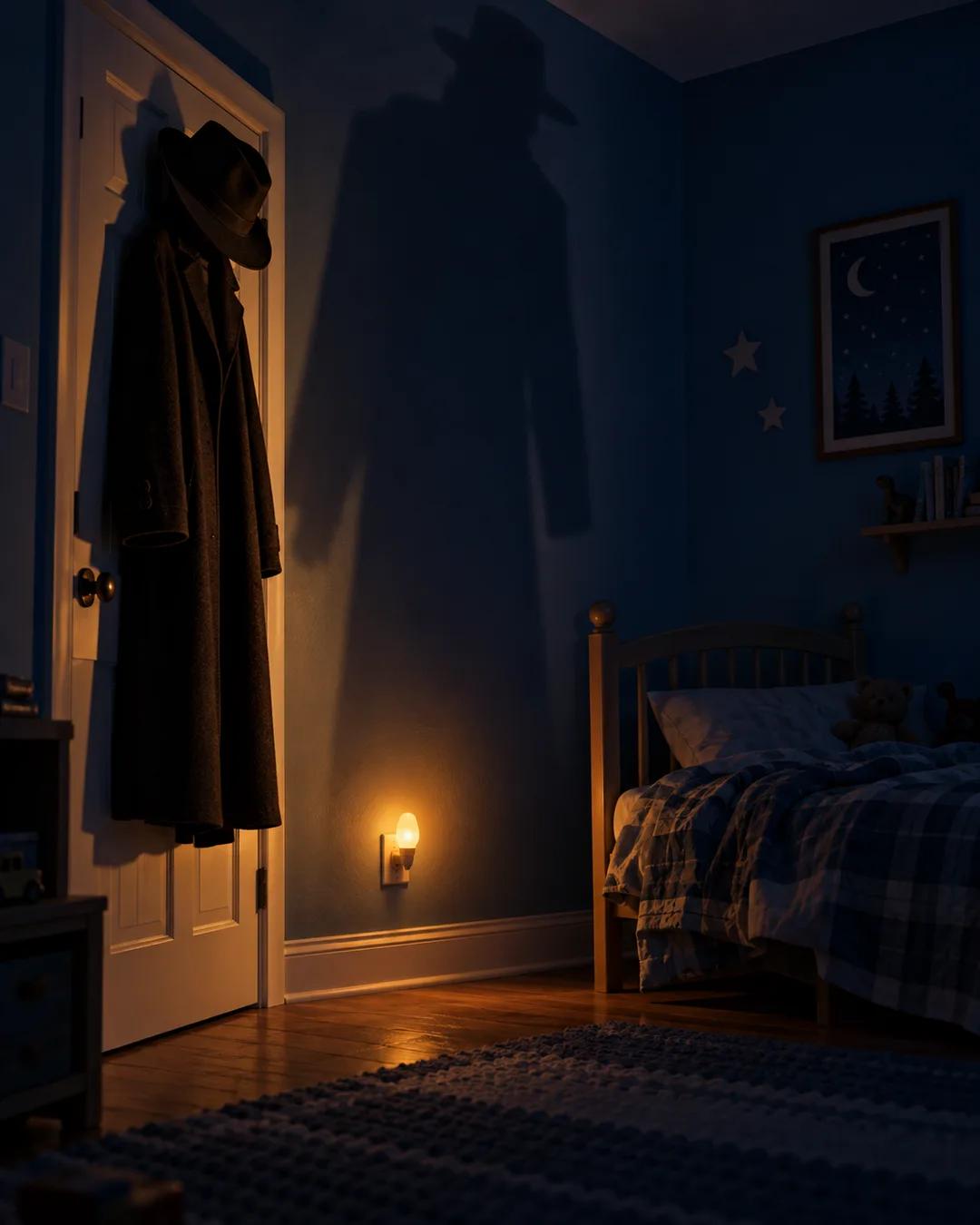

The question is built to tell past from present. Where does the fear come from? What is the person actually afraid of in this moment? Is there danger right now, and does the body feel safe?
Even when the world feels frightening, a person can return to a feeling of safety in the body in the present moment. It is the same job parents do for children: when the world is intense, a parent takes the child and says you are safe right now with me. An adult can do the same for the younger part of themselves.
The question is hard to ask in the moment, since people are often too deep in the reaction to catch it, though sometimes the catch comes during or right afterward. From the inner child's point of view, the reaction isn't an overreaction at all.
How does a parent's presence calm a frightened child?
In experiments published in 1958, psychologist Harry Harlow raised infant monkeys with two artificial mothers, one made of wire that gave milk and one covered in soft cloth. The monkeys spent most of their time clinging to the cloth mother and ran to her when frightened. Decades later, James Coan and colleagues reported in 2006 that holding a spouse's hand lowered threat-related brain activity in women waiting for a mild electric shock. The effect was strongest in the happiest marriages.
Why do reactions arrive before we can think?
Neuroscientist Joseph LeDoux found in studies of rats during the 1980s and 1990s that a fast route runs from the thalamus straight to the amygdala. That shortcut lets the brain begin a fear response before the cortex has fully identified what it is looking at. A slower route through the cortex follows and can correct the first reaction. LeDoux did much of this work at New York University.
More from 10% Happier with Dan Harris