Korva is a scroll of the internet’s best ideas.
Auctioneers call it crying

A preschool auction
Dia Bondi's route to the podium began at a preschool co-op fundraiser, where parents and grandparents sat around in jeans, drinking wine and bidding on crafts the kids had made. She was invited to be the auctioneer, had never done it, and did it anyway. A couple of weeks later, at a dinner table full of bucket-list talk, she announced she would learn to do it for real.
Auction school in Missouri
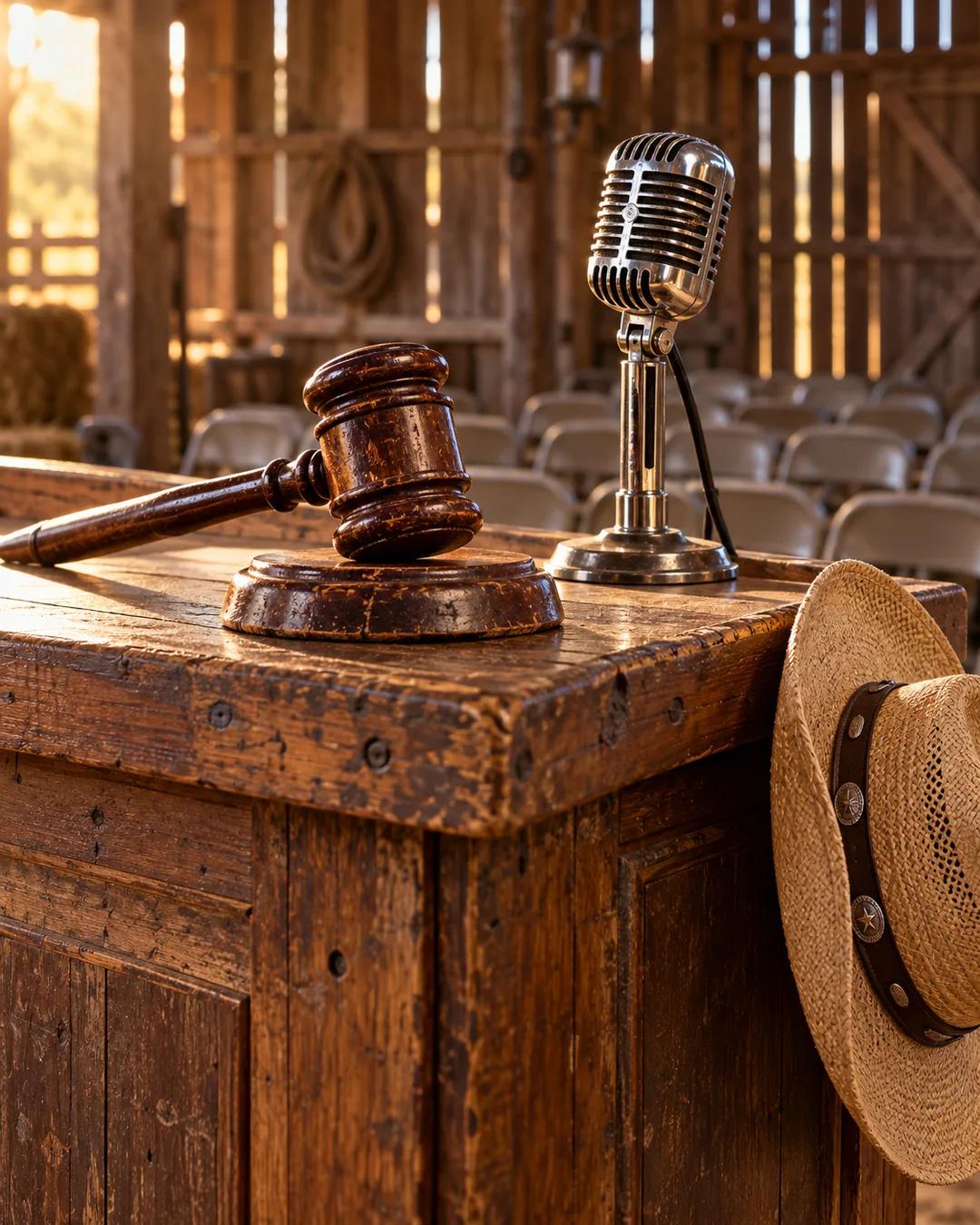
Many years later, during a sabbatical, her husband reminded her of that remark. She wrote a check and went to Missouri for a week. About a hundred people filled the class, only four of them women, and belt buckles and ten-gallon hats ran wall to wall. Many had grown up as spotters at local fair auctions or in families that owned auction houses.
The first chant ran: a hundred-dollar bidder, now two, now two, would you give me two, it's a two-hundred-dollar bidder, now three. Chanters aren't actually talking fast. They breathe at moments where a sentence wouldn't pause, so the sound never stops, and little tongue noises make it seem quicker than it is.
Who she auctions for
The week fell right before the 2016 election, when the funding gap for women-founded ventures was all over the news. By the end of it she had decided to auction only for women-led nonprofits and those serving women and girls. Now she works two auctions a year for free, down from ten in a busy year.
Where did the auction chant come from?
The rapid-fire chant is widely traced to American tobacco auctions in the South, where buyers walked down rows of warehouse floors and sellers needed to move thousands of lots quickly. A caller who could hold a steady rhythm kept buyers focused and the sale moving. The style spread from tobacco to livestock, farm equipment, and estate sales. Tobacco warehouse sales are still the setting most often credited as the chant's origin.
Why do chants use filler words?
A chant is built from two kinds of sounds: the numbers, which bidders need to hear clearly, and the filler, which keeps the rhythm going between them. Filler phrases give the caller a beat to breathe and to scan the crowd for the next bid without leaving silence. Many auction schools drill students on tongue twisters such as Betty Botter bought some butter to build the mouth control the filler requires. The numbers stay crisp while the filler carries the speed.
How do auctioneers catch bids in a loud crowd?
Auctioneers rely on spotters, also called ringmen, who stand among the bidders and watch for signals. When a spotter sees a bid, they shout, often with a sharp yep or hey, and point to the bidder so the caller can pick up the new number. Bidders can signal with a raised paddle, a nod, or a hand. Because the caller is busy chanting, the spotters act as the auction's extra pair of eyes.
More from Curiosity with Kristen