Korva is a scroll of the internet’s best ideas.
Audience capture ends in resentment
How it starts
It starts with testing different content until something hooks. Picture a creator who talks about politics through a libertarian lens, gets rewarded for being a bit more bombastic, and goes again. Each round gets louder and is rewarded again, until the creator is shouting and screaming and throwing red meat to the crowd.
Feedback versus capture
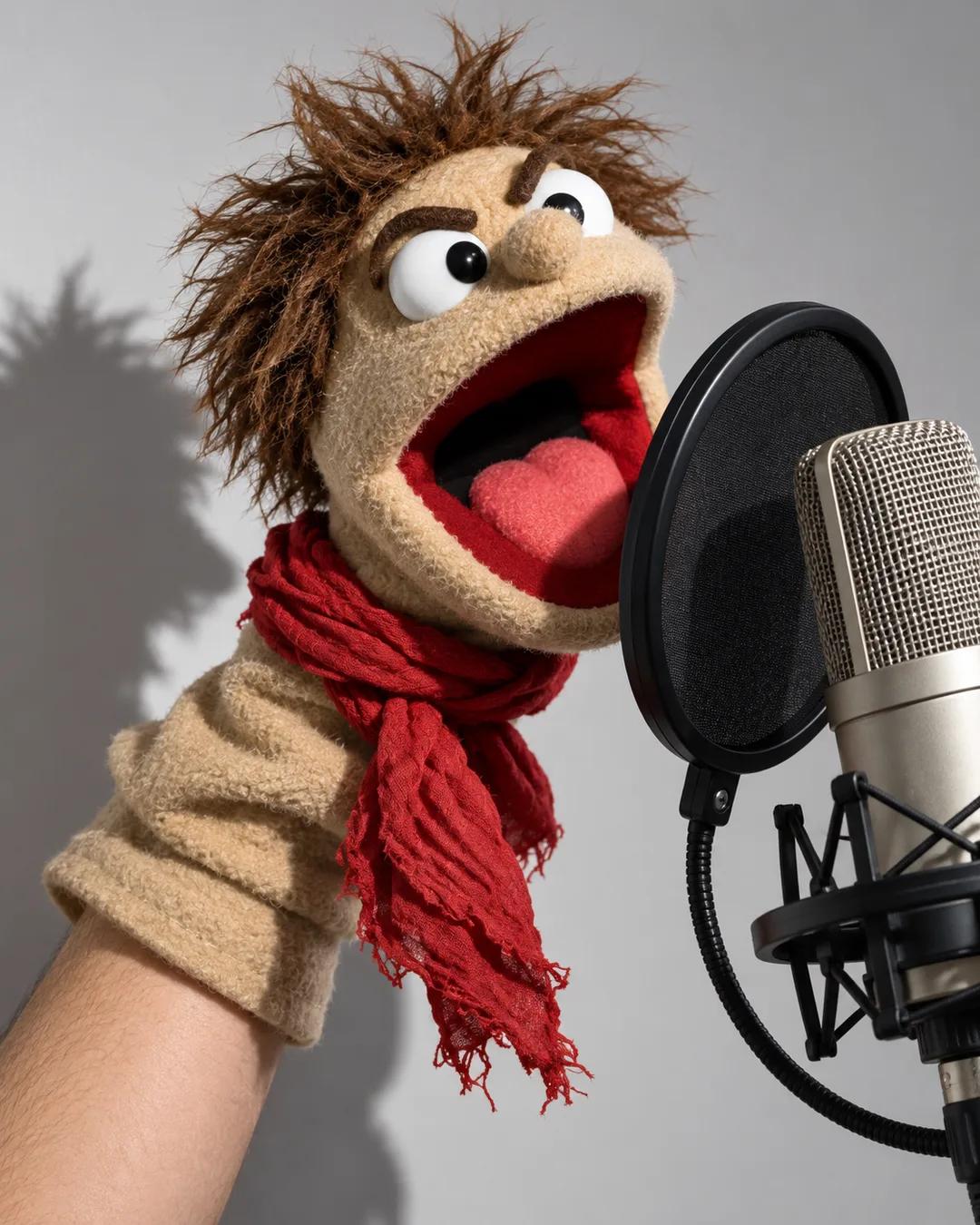
Audience feedback itself is useful. Movies screen test their versions and check what felt slow or what people didn't understand. The trouble comes with iterative work, where the audience slowly stops falling in love with the creator and falls for a projection of what the creator guesses they want. The creator ends up as a reverse puppet, with the audience's hand inside.
The resentment
Every creator who has gone down this road ends up resenting the audience. They contorted themselves into a shape they thought was rewarded, and when the audience drifts off, they feel aggrieved at having betrayed themselves for an act the audience never even wanted. A musician who skips the move from acoustic to electronic, or a total change of singing style, because he assumes fans won't want it is caught in the same trap.
Where does the term audience capture come from?
Writer Gurwinder Bhogal popularized the term in a 2022 essay about how creators drift toward whatever their followers reward. The idea rests on a simple feedback loop: posts that earn likes, shares, and new followers teach the creator what to make next. Platforms display those numbers instantly, so the lesson arrives much faster than it did for earlier performers. Bhogal argued that the reward for one trait can slowly reshape a creator's whole persona.
Why do creators drift toward the loud and angry?
A 2021 study in Science Advances by William Brady, Molly Crockett, and Jay Van Bavel analyzed millions of tweets. They found that users who received more likes and shares for expressing outrage were more likely to express outrage in their later posts. Social approval acted as a reward that taught people which tone to use. The effect held even for users who had not been outraged in their earlier posts.
Why do studios test movies on audiences?
Hollywood studios have held test screenings for decades, handing viewers cards that ask what they liked and where they got bored. The results sometimes lead to major changes. After test audiences reacted poorly to the original ending of the 1987 thriller Fatal Attraction, the filmmakers reshot a new one. The released version had a different final act from the one first shot.
More from Modern Wisdom