Korva is a scroll of the internet’s best ideas.
Automating hiring is a dead end

A process that backfires
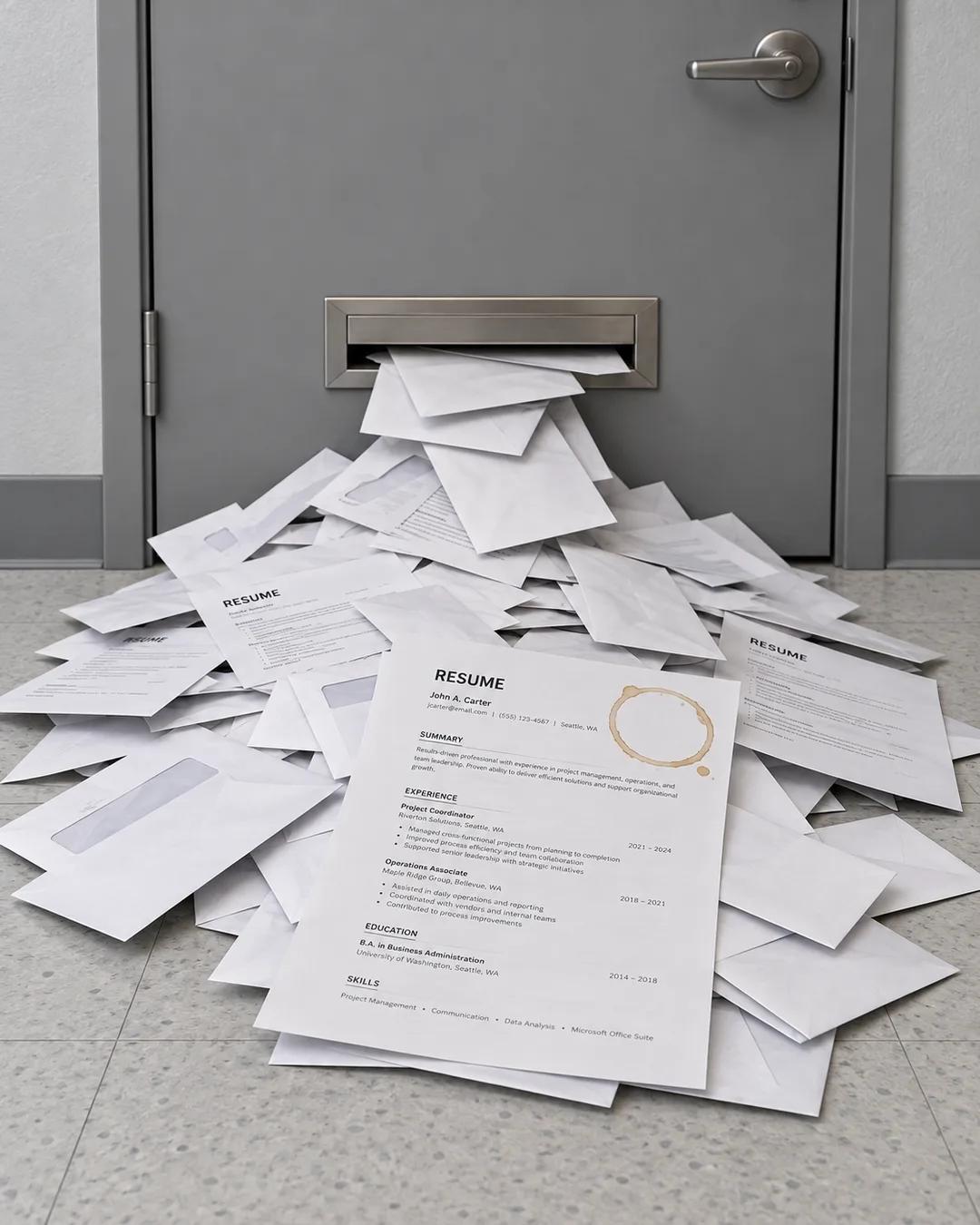
The modern job search has been called a gradual worsening of things: AI-written resumes, AI screening of candidates, AI interviews, and often, for people applying, silence from the employer. Automating that process further produces a flurry of activity going back and forth, all of it generated by AI.
Talent communities
Randstad is building a different model: talent communities. When demand comes in from a client, the system matches automatically and sends a candidate a message saying there is a best match for them in this job, and asking whether they are interested. A candidate who likes the job says yes.
That route is more focused and more personalized, and it is faster for the candidate and for the client alike.
Why do AI resumes flood employers?
Easy-apply buttons and generative AI have cut the cost of one more application to nearly zero. Economist Michael Spence described in 1973 how employers rely on costly signals, such as effort, to tell candidates apart. When a polished cover letter takes seconds to produce, it stops carrying that signal. Employers respond with more automated screening, which pushes applicants to use more automation.
How do applicant tracking systems screen resumes?
These systems parse each resume into fields such as job titles, skills, and dates. They then rank or filter candidates by how closely those fields match the job posting. Many large employers have used them since the 2000s to handle high volumes of applications. A resume that a person would find strong can still be filtered out if its wording does not match the posting.
How did online job boards change hiring?
LinkedIn launched in 2003 and Indeed in 2004, moving postings and applications online. Applying no longer meant mailing a resume, so applications per opening rose sharply. Employers gained a much bigger pool of candidates and a much bigger pile to sort. Software to sort that pile became standard.
More from WSJ What’s News