Korva is a scroll of the internet’s best ideas.
Aztec police busted counterfeit chocolate

The Aztecs ran on barter, but even barter needs a way to compare what things are worth, and for them that was cacao beans. Nobody walked into the market with thirty beans in a pocket, yet a price could be quoted in them: a measure of corn, for instance, was worth three beans.
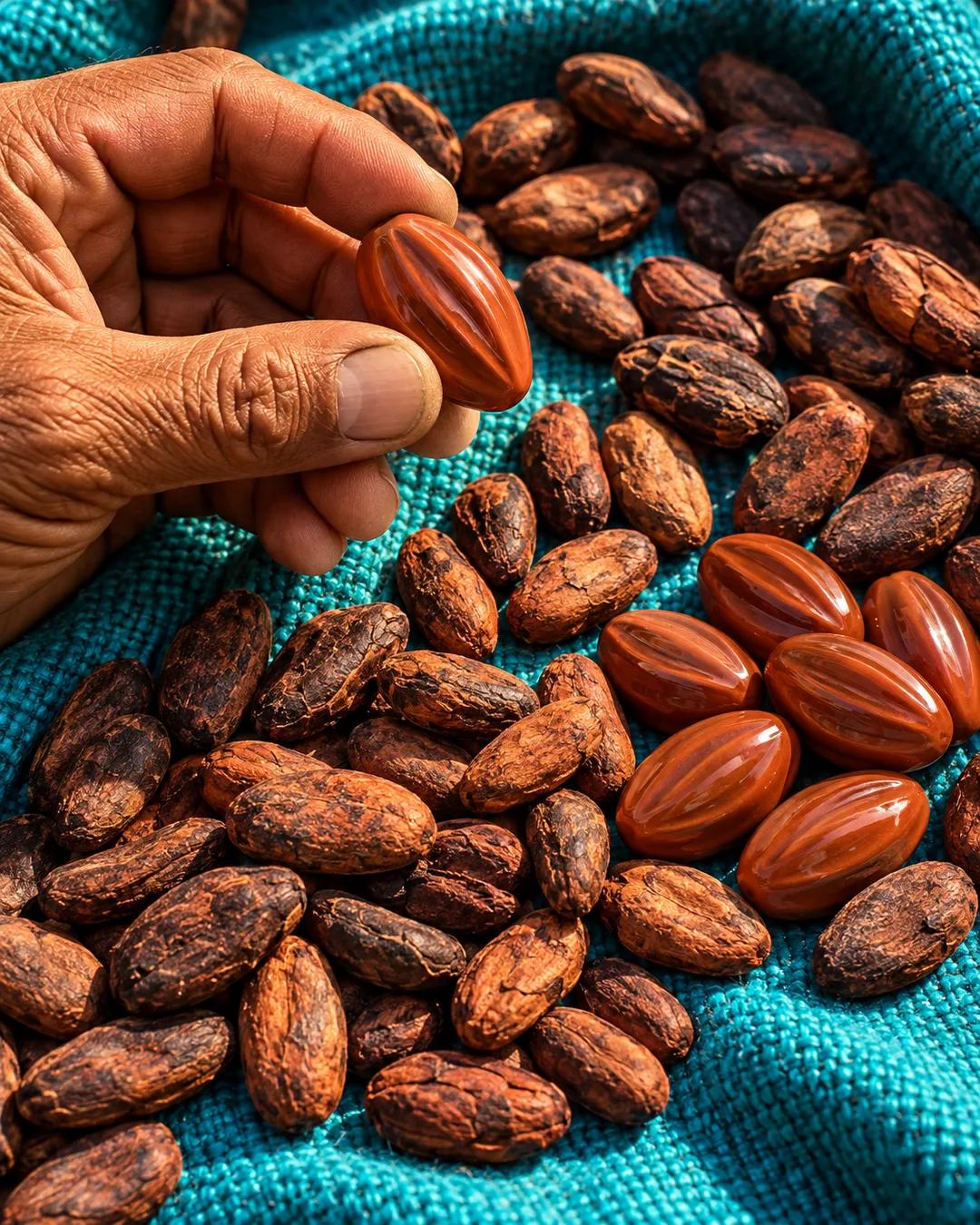
Cortes's men saw the great Aztec market before the siege and reported 60,000 people a day, the biggest market they had ever seen. Police moved through the crowd, and some of the people they caught were peddling ceramic beans molded to pass for the real thing.
Why was cacao used as money?
Cacao trees grow only in hot, humid lowlands, so the Aztec highlands had to import every bean. The beans were small, uniform, durable, and easy to count. People also drank them as chocolate, which kept demand steady. Spanish colonial records show cacao beans still serving as small change in Mexico long after the conquest.
What was the great Aztec market like?
The market at Tlatelolco, beside Tenochtitlan, was described by Cortes and by the soldier Bernal Diaz del Castillo. Diaz wrote that goods were sorted by type, with separate rows for gold, cloth, pottery, and food. Judges sat in a building at the market to settle disputes between buyers and sellers. Diaz said some of his comrades had seen Constantinople and Rome and never saw a market so large.
How did people fake cacao beans?
The Franciscan friar Bernardino de Sahagun compiled the Florentine Codex in the sixteenth century from interviews with Aztec elders. It describes dishonest dealers who made false beans from dough, or emptied real hulls and filled them with soil. Buyers learned to squeeze and inspect beans before accepting them. Ceramic imitations like the ones in this account are part of the same long record of counterfeiting.
More from Shawn Ryan Show