Korva is a scroll of the internet’s best ideas.
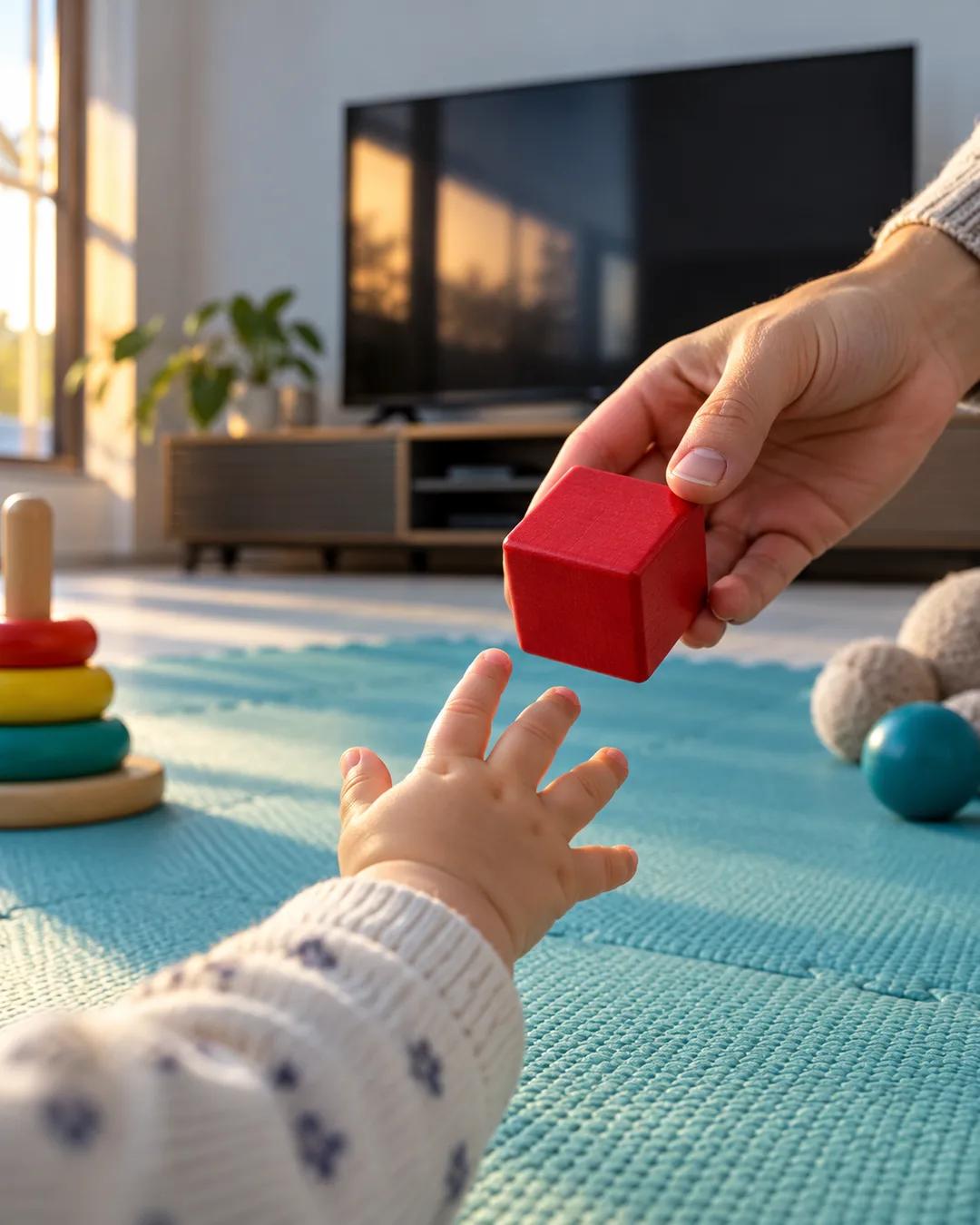
Babies learn Mandarin from people, not screens

Twelve Mandarin sessions
The babies were between six and eight months old, when infants everywhere can still tell apart the sounds of every language. For a month, they heard Mandarin in 12 sessions, the way they might if Mandarin-speaking relatives had moved into the house and talked to them.
The results were striking. Their Mandarin sound skills matched those of babies in Taiwan who had been listening to the language for ten and a half months. A control group that came to the lab and heard English instead showed no gain in Mandarin, so simply visiting the lab did nothing.
Television versus a person
Then came the test of what the people were contributing. Another group of babies got the same 12 sessions of Mandarin over a television. A third group got audio only, while they looked at a teddy bear on a screen. Neither group learned anything at all.
The same amount of Mandarin, in the same number of sessions, taught the babies with a person in the room and taught nothing without one. The social brain appears to control when babies take in the statistics of a language.
Why would a screen fail to teach sounds?
Researchers who study infant learning point to social cues such as eye contact, shared attention, and a speaker responding to the baby. These cues tell an infant that the speech is meant for them. Studies of joint attention have found that infants whose parents often look at the same object as the baby, and name it, go on to build vocabulary faster. A screen offers sound and motion but none of that back-and-forth.
How does baby-directed speech help sound learning?
Adults across many languages slow down and stretch their vowels when they speak to infants. A 1997 study led by Patricia Kuhl found this in English, Russian, and Swedish speakers. The stretched vowels sit farther apart from one another, which makes the categories of a language easier to separate. The pattern showed up in all three languages.
Why do babies start absorbing sounds so early?
Hearing begins in the womb during the last months of pregnancy, and the sounds of the mother's voice carry through the body. A 1993 study by Moon, Cooper, and Fifer found that newborns only days old sucked harder to hear their mother's language than a foreign one. The brain has therefore been collecting speech patterns since before birth. Formal lab tests can begin around six months because that is when babies can reliably turn their heads to a changing sound.
More from TED