Korva is a scroll of the internet’s best ideas.
Baby's sign said please help me

A desperate email
Amicus, a rare disease company, was finishing enrollment in a global study of its experimental Pompe disease therapy, a study that cost more than half a billion dollars for about 120 people. The boy was on an earlier approved enzyme therapy and wasn't responding. The doctor's email called the Amicus therapy the child's only hope and used the plain words that otherwise he would die from the disease.
The decision
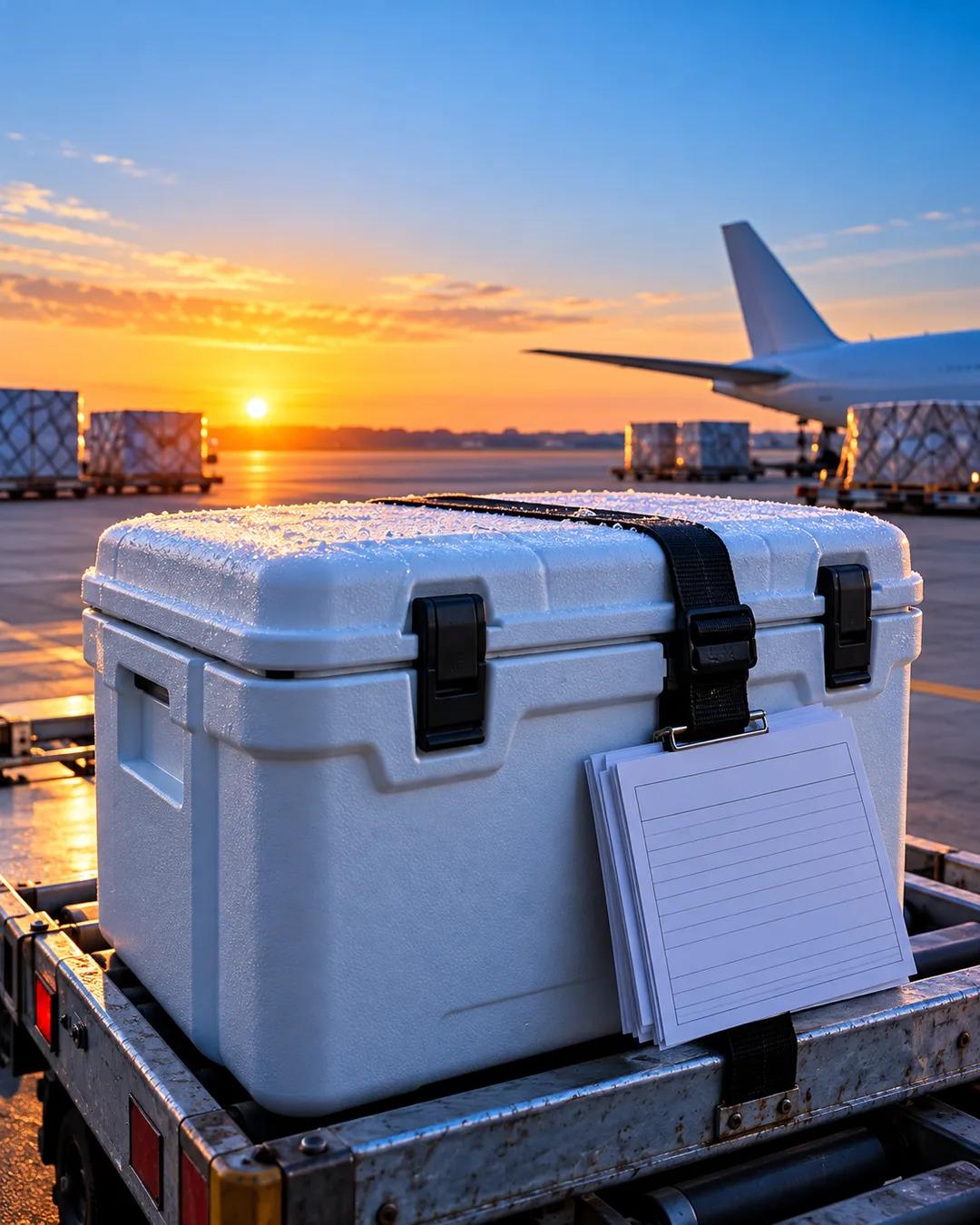
CEO John Crowley had plenty of reasons to refuse: the study was still enrolling, and the child was so fragile that even the new medicine might not save him. He told his team not to list the reasons against it, only how it could be done if he chose to. Within 72 hours the program manager, Sheila, and the team had a plan covering import and export licenses and regulatory bodies, and the drug reached the baby very quickly after that.
The recovery
A photo of the boy being infused landed in Crowley's inbox next to the doctor's first email and a picture from the parents of the baby holding up a sign that said please help me. Around Christmas, the doctor wrote again: the boy's cardiologist had said this could not be the same child. His heart had remodeled, he was off oxygen, and he left the hospital.
Today he is a kindergartner in Germany, still living with Pompe disease and using a wheelchair, bright, alert, breathing on his own, and eating. In December 2020, his parents and the boy joined every Amicus employee worldwide live in a town hall. Dozens of patients, many of them children, now get the drug through compassionate use at the company's cost until it is approved in their countries.
Why does Pompe disease enlarge the heart?
Pompe disease comes from a shortage of an enzyme called acid alpha-glucosidase, which breaks down stored sugar, known as glycogen, inside cell compartments called lysosomes. Without it, glycogen piles up in muscle cells, and the heart is a muscle. In the most severe infant form, the heart wall thickens dramatically. The first enzyme replacement therapy for the disease, alglucosidase alfa, was approved in the United States in 2006.
How do patients get drugs still in trials?
Compassionate use, which the US Food and Drug Administration calls expanded access, lets patients with serious conditions receive an experimental drug outside a clinical trial when no satisfactory alternative exists. The patient's doctor must request it, and the manufacturer must agree to supply the drug, since no rule forces a company to provide it. The FDA reviews each request and has said it allows the vast majority it receives. Many European countries run similar early access programs under their own national rules.
Why do rare disease trials cost so much?
A rare disease trial has few participants, so the expense is spread over very few people. Sites must open in many countries to find enough patients, and each country has its own approvals and drug import rules. Enzyme therapies are biologics grown in living cells, which makes manufacturing slow and expensive.
More from Joys of Compounding