Korva is a scroll of the internet’s best ideas.
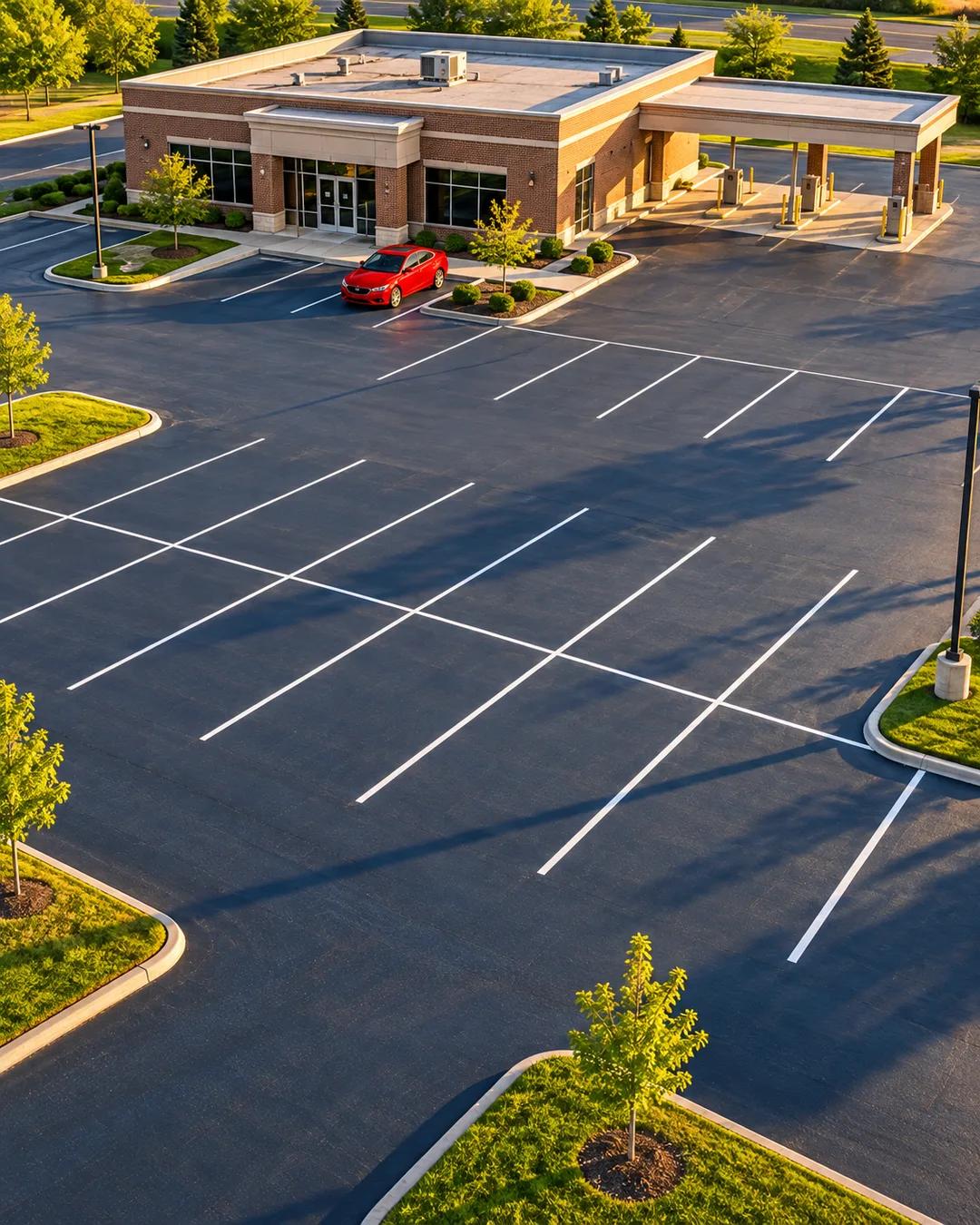
Bank parking lots sit 90% empty

Few new accounts
Banks depend on new accounts, and the numbers are small. In a typical month, an American bank opens a median of just 23 new checking or savings accounts and makes five consumer loans. With so few, every marginal customer counts, even one who shows up at 4:30 on a Friday when everyone else is cashing their checks.
Costly locations
To attract deposits, banks have to be centrally located, ideally in a busy downtown neighborhood. They also carry expensive drive-through windows, pneumatic tubes, large physical footprints, and ATMs. If you ever need a free place to park, look for a bank.
Tiny branches
Most banks are shockingly small. The median branch holds just under 3,000 accounts, so if even thirty people take their business elsewhere, that translates to a one percent decline in customers.
Why do banks still use pneumatic tubes?
A pneumatic tube moves a sealed capsule through a pipe using air pressure, pushed from behind or pulled from ahead. The technology first carried telegram messages between London offices in the 1850s, and department stores later used it to send cash to a central cashier. At a drive-through, the tube lets a teller exchange cash and paperwork with a car without leaving the counter. Some hospitals use the same kind of system to move lab samples.
Why do zoning rules require so much parking?
Many American cities wrote minimum parking requirements into zoning codes, usually as a number of spaces per thousand square feet of floor area. Those numbers often drew on the Institute of Transportation Engineers, whose Parking Generation manual compiled observations of the busiest hours at suburban sites with free parking. A lot sized for the busiest hour of the year sits mostly empty the rest of the time. UCLA urban planning professor Donald Shoup criticized this practice in his 2005 book The High Cost of Free Parking.
More from PolyMatter