Korva is a scroll of the internet’s best ideas.
Barcelona pays its youth players

How La Masia works
La Masia sits in the suburbs of Barcelona and has long been the club's training site for its up-and-comers. Like kids at a competitive US volleyball club, the players were recruited, vetted, and continually pushed to grow. They do not pay to be there, and they are paid. Lionel Messi and Andres Iniesta both came through.
Barcelona is one of the world's largest and most important clubs, so a lot of money comes in at the top of the triangle. The club reinvests it in youth development to stay among the largest in the world by producing world-class talent.
The American triangle
In US youth sports, the money forms a triangle the other way up: the most money and the most players sit at the grassroots, with a disproportionate amount of money compared with the players rising toward the top. The incentives are skewed accordingly. The most pressure is on selling dreams of bids and college scholarships so the gym stays full and club dues keep flowing in, ahead of teaching the game.
Why do European clubs pay for youth academies?
A player developed in an academy becomes an asset the club can play or sell. FIFA's rules also include a solidarity mechanism: when a player is transferred, 5 percent of the transfer fee is distributed among the clubs that trained him between the ages of 12 and 23. That payment is meant to reward clubs that invest in young players.
How did a farmhouse become a famous academy?
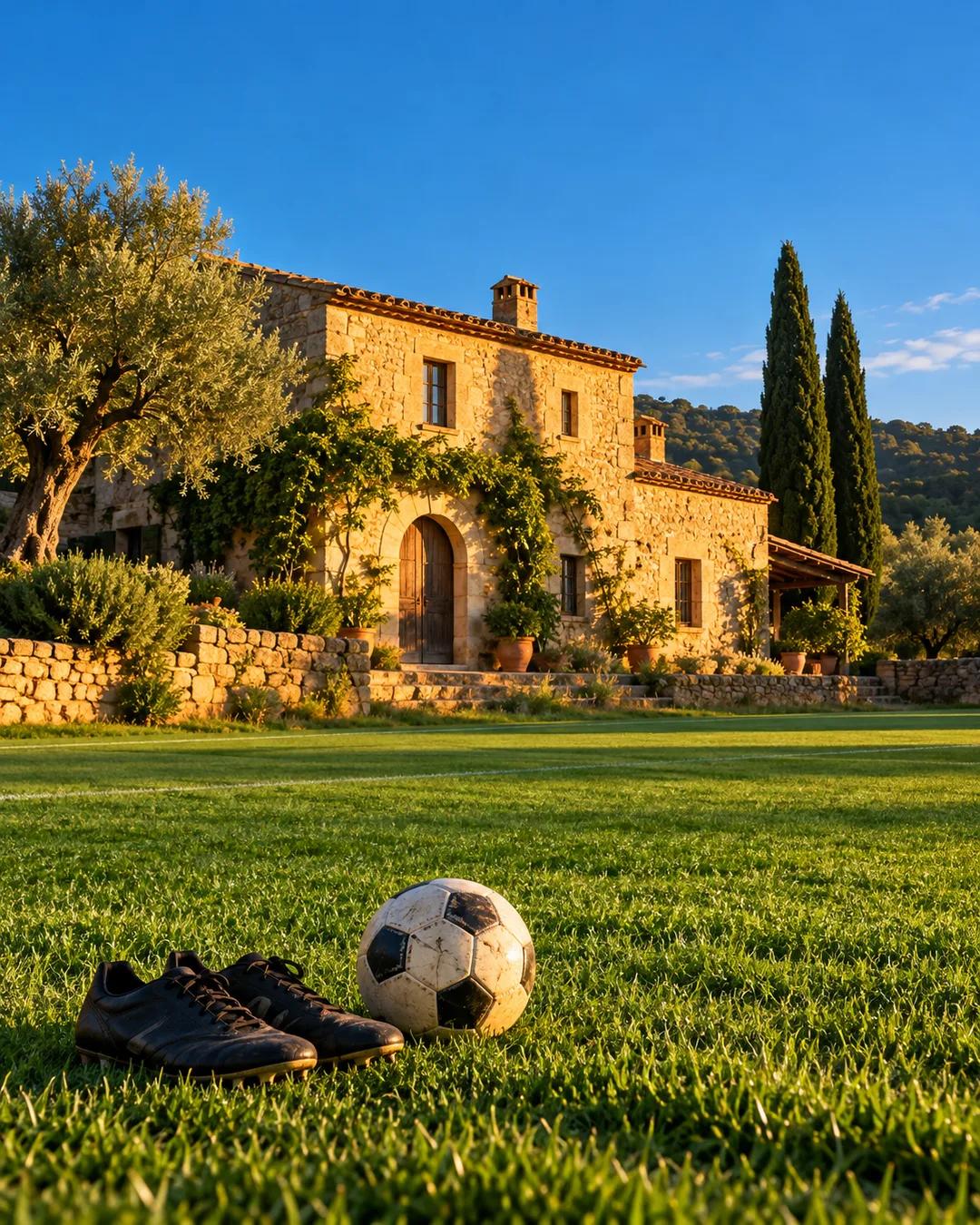
La Masia is the name of an old Catalan farmhouse beside Camp Nou, Barcelona's stadium. It began housing young players in 1979, giving out-of-town teenagers a place to live while they trained and went to school. The farmhouse held players until the academy moved to a new training campus in the suburbs in 2011. Lionel Messi joined the club's youth system at 13 and lived in the house.
More from Wendover Productions