Korva is a scroll of the internet’s best ideas.
Base turned permitting chaos into law
A new adventure each time
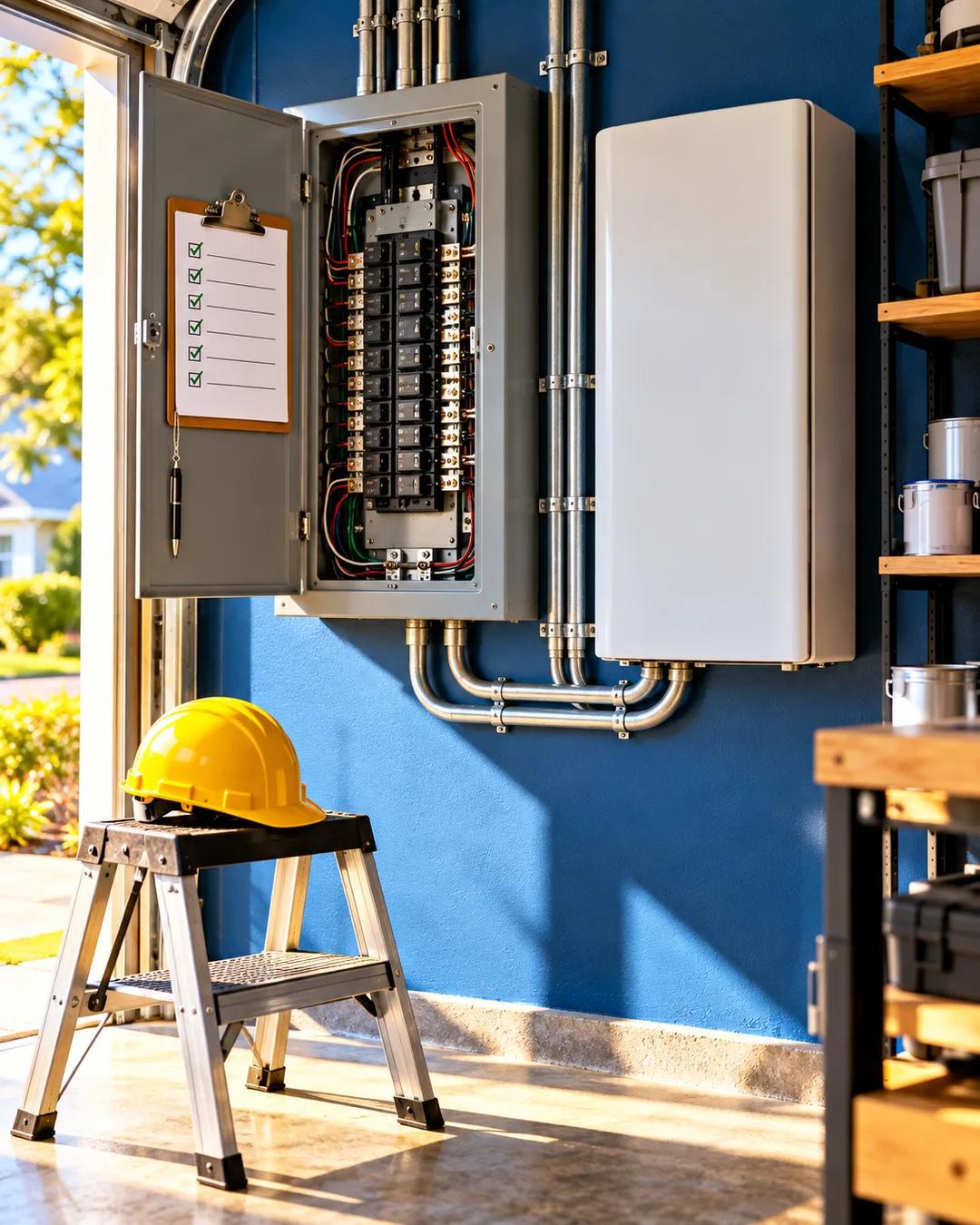
Each Authority-Having Jurisdiction in Texas could override the National Electrical Code with its own rules, so every new neighborhood was a new adventure. Whether an install went smoothly often came down to the whims of the inspector, and Dana Paz and her deployments team figured it out case by case.
What SB1252 does
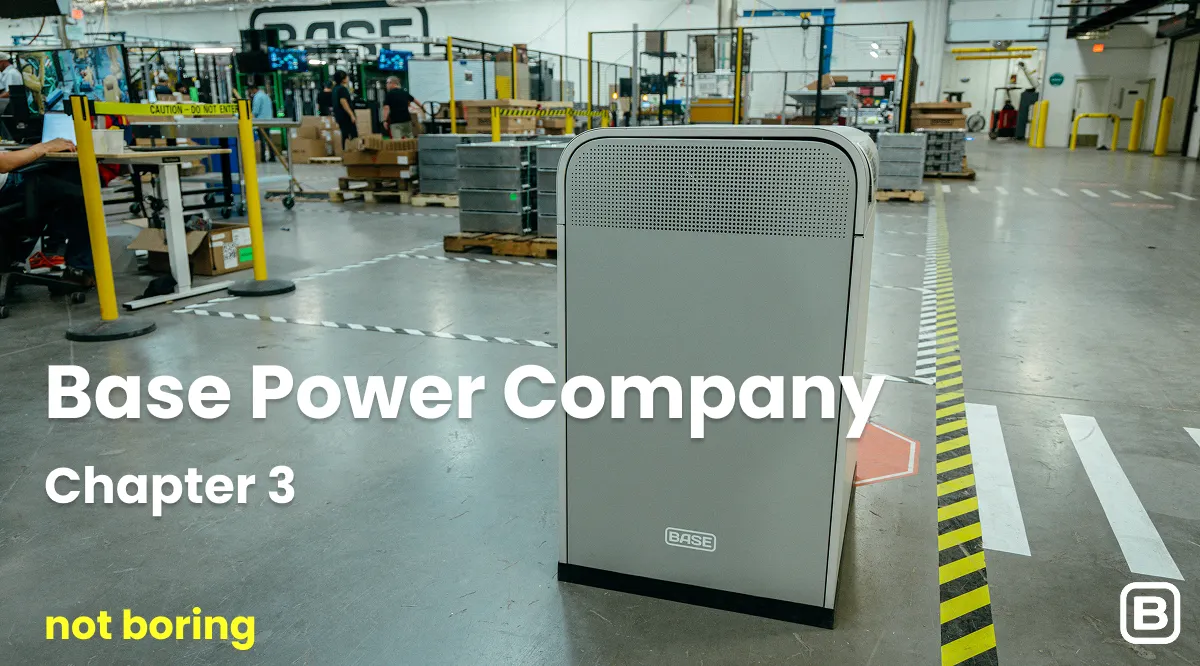
In August 2025, largely thanks to Base's policy team, Texas passed SB1252. It bars a municipality from adopting or enforcing any amendment to the National Electrical Code, or any ordinance or rule, that would regulate the installation or inspection of a residential energy backup system. The rules had to be the same throughout the state.
Illinois and beyond
Illinois is not covered by anything like it. Chicagoland has more than 500 permitting jurisdictions, and Base is back to negotiating small differences with individual inspectors. Texas is the only state where the state itself controls permitting, and Base is pushing for similar language in a federal permitting bill moving slowly through Congress. In November 2025, Base hired Zina Bash, a former clerk to Justice Samuel Alito, as Chief Legal Officer.
How can local codes override the National Electrical Code?
The National Electrical Code is a model standard published by the National Fire Protection Association, and it has no legal force until a state or city adopts it. Each jurisdiction can adopt it as written or add its own amendments. That is how two neighboring cities can enforce different rules on the same piece of equipment. The NFPA has published the code since 1897 and revises it every three years.
Why do inspectors differ from neighborhood to neighborhood?
Codes leave room for interpretation, and the inspector for each jurisdiction decides whether a given installation complies. Local amendments add further differences, and some jurisdictions enforce different editions of the code from their neighbors. A contractor who works across many areas must learn each one's habits case by case. At any given time, jurisdictions within one state can be enforcing different editions of the National Electrical Code.
Why do battery installs draw fire-safety rules?
Lithium-ion cells can overheat in a chain reaction called thermal runaway, which is hard to stop once it starts. The NFPA 855 standard sets rules for installing stationary energy storage, including limits on the size of systems and where they may be placed in garages and living spaces. Local fire officials often review battery projects against that standard. The first edition of NFPA 855 was published in 2020.
More from Packy McCormick