Korva is a scroll of the internet’s best ideas.
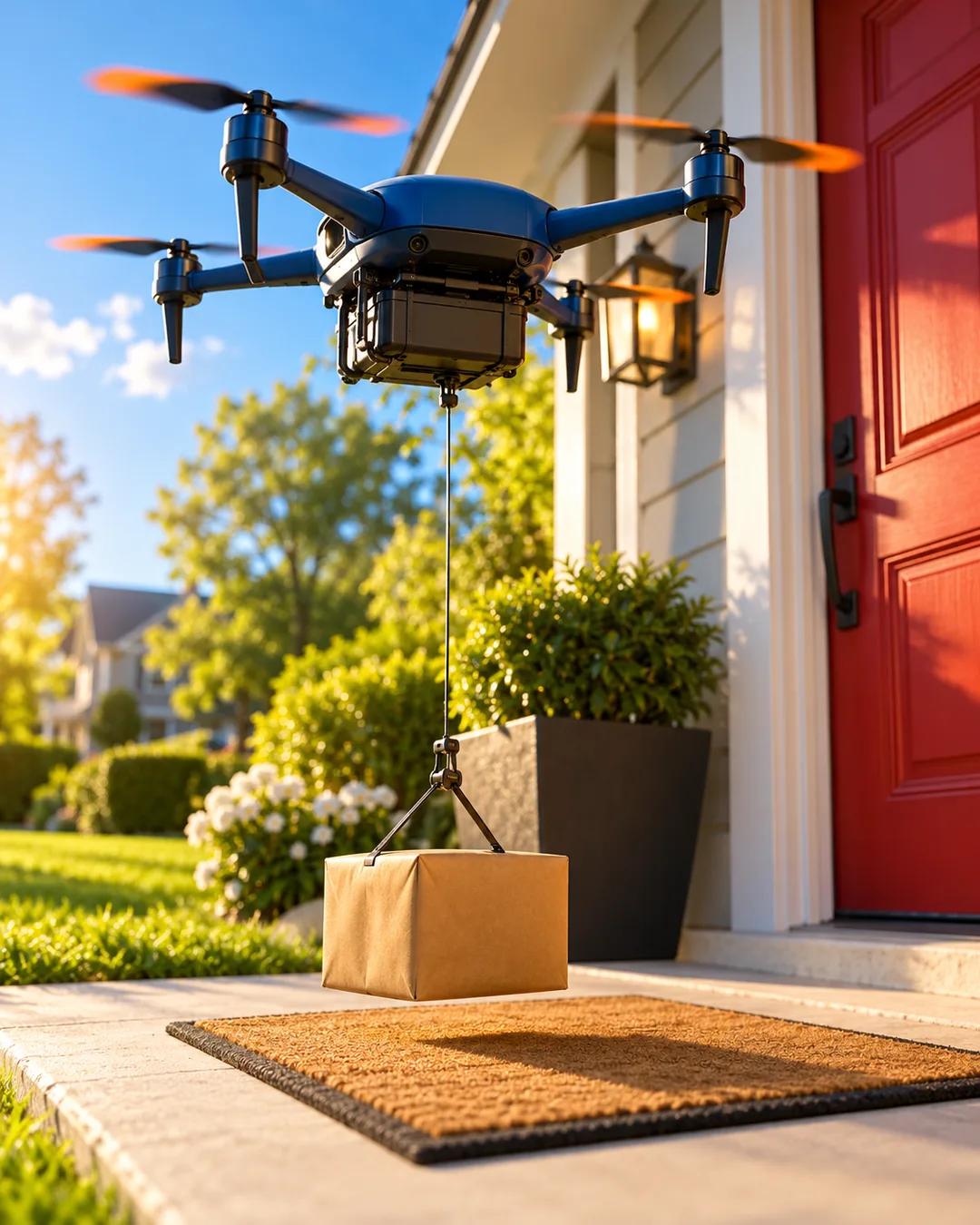
Batteries are why drones haven't arrived

The requirements pile up: a payload big enough to be useful, the ability to operate in whatever weather there is, and the accuracy to get a package right in front of someone's house. All of it is moving in the right direction.
Joby is already building drones for people. Drones for food and groceries are expected to start hitting real scale over the next two to five years, and they will cost more than human delivery to start with. They are not expected to be a big part of life two years from now, and five to 10 years out they are expected to become more and more normal.
Why can't batteries match jet fuel?
Jet fuel stores roughly 12,000 watt-hours of energy per kilogram, while good lithium-ion cells store on the order of 250. An aircraft must lift everything it carries, so extra batteries add weight that demands still more lift and more energy. Hovering aircraft pay the steepest price, since rotors must push air downward continuously just to stay up.
Why did drone delivery start with medical supplies?
Zipline began delivering blood products by drone in Rwanda in 2016. Medical items are light, valuable, and urgent, so a fast delivery justifies the cost of the aircraft. Road travel in the delivery area was often slow, which gave drones a clear advantage.
More from Invest Like the Best with Patrick O'Shaughnessy