Korva is a scroll of the internet’s best ideas.
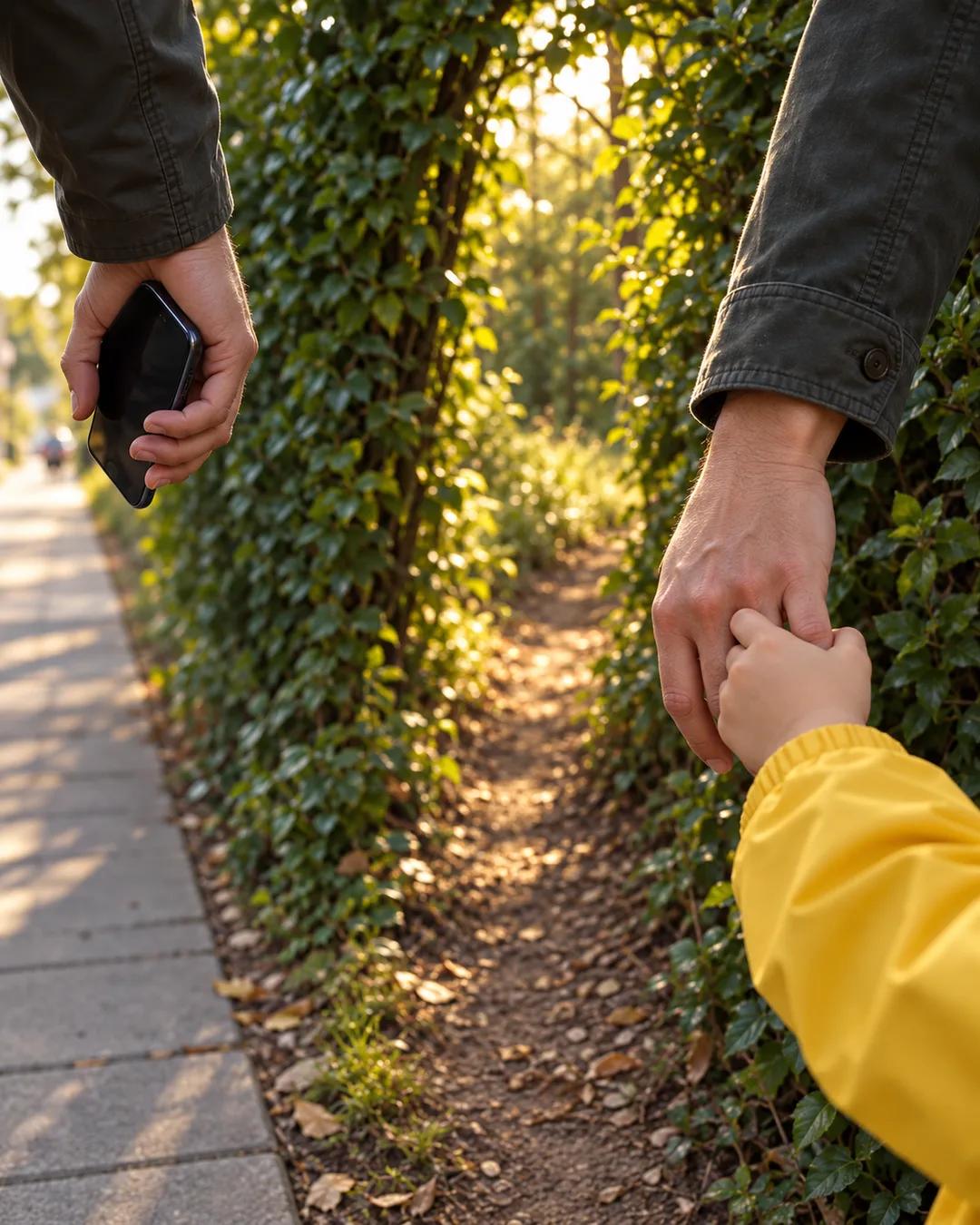
Before saying no, ask why not

Why Adults Say No
Requests from children are hard on adults because they usually mean changing plans, heading in a different direction, or what feels like wasting precious time. That is why the reflex is to say no or maybe later.
Asking Why Not
Pausing to ask why not changes the question. Sometimes there is a clear reason to refuse. Often there isn't, and then going along with the child in an unpredictable direction opens doors.
The Baba Yaga Example
In one kindergarten Baba Yaga play world, a girl who was often disruptive suggested blowing up the whole school to save the story's magical creatures. The teacher and children did not shut the idea down. They negotiated it into blowing up some props, and the plan became hers to carry out. She checked that everyone was protected, threw the bomb at the witch's trap, and led the class in a countdown to the explosion. A suggestion that would normally have gotten her excluded became part of the story, and it even solved some problems.
Why does saying no feel like the safer answer?
In a 1988 paper, the economists William Samuelson and Richard Zeckhauser described status quo bias, the tendency to stick with the current course even when a change would be as good or better. Changing a plan makes a person responsible for whatever follows, while keeping it does not feel like a decision at all. Daniel Kahneman and Amos Tversky's work on loss aversion points the same way, since people weigh what they might lose more heavily than what they might gain.
In Samuelson and Zeckhauser's experiments, participants chose the default option far more often than chance would predict.
Why does child-led play matter for learning?
A 2018 clinical report from the American Academy of Pediatrics, written by Michael Yogman and colleagues, reviewed the evidence on play. It linked play to the growth of executive function, language, and social skills. The report singled out play that children direct themselves as especially valuable, because the child makes the decisions and solves the problems that come up.
The report was titled The Power of Play.
More from TED Talks Daily