Korva is a scroll of the internet’s best ideas.
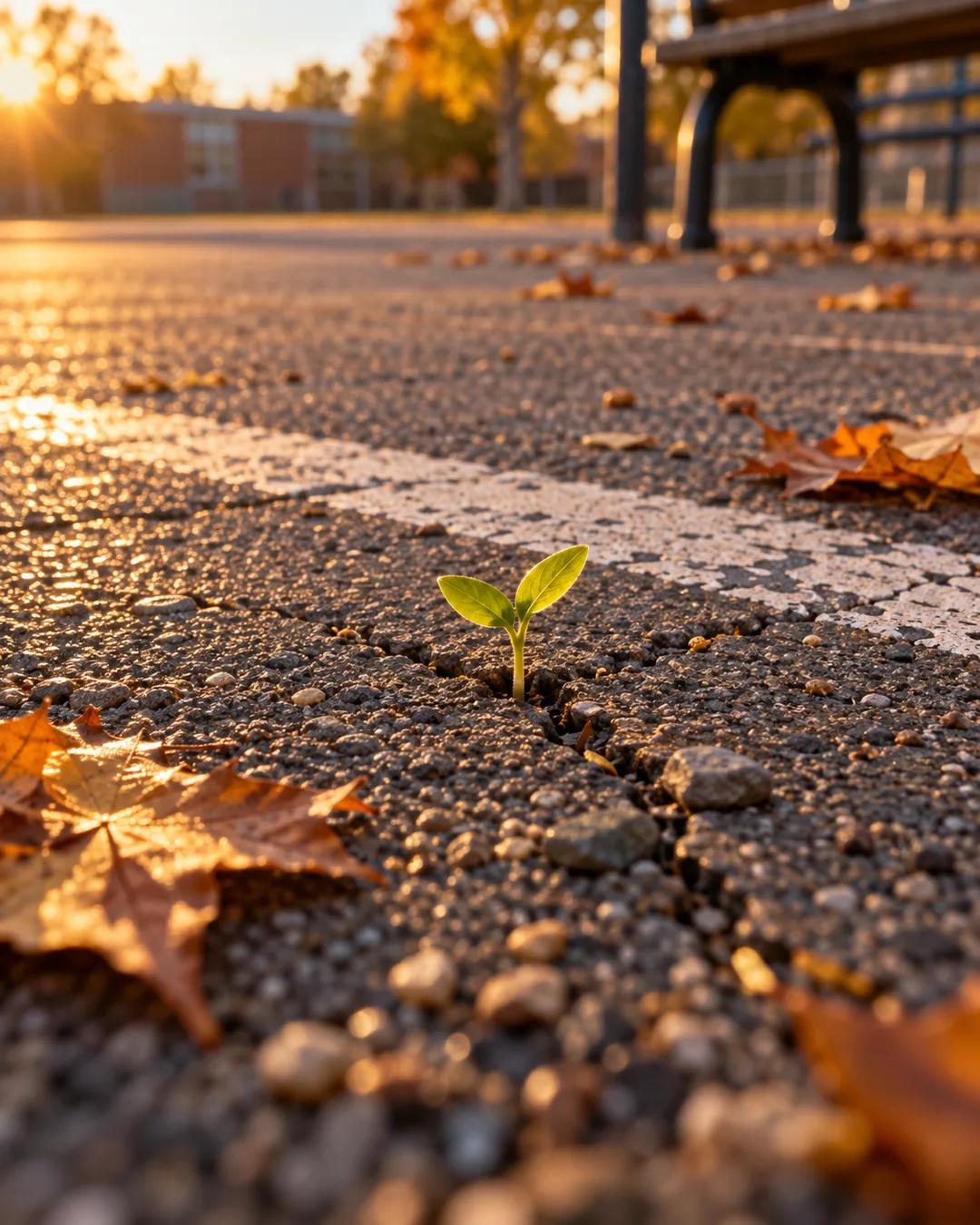
Being socially adrift teaches resilience

Given the choice of path for a child, most parents would pick the easy one: no friendship that falls apart, a first-choice college, no heartbreak.
Adults who were alone at 13, 14, or 15, socially adrift and unsure, later describe that stretch as the one that taught them how to meet new people, make friends, and develop their own interests. What feels like a curse in the moment turns into a blessing years later.
Passing through these moments of discomfort is part of how someone becomes a successful adult: they hit a hard time, find their way through it, and find out they can.
Does hardship really build resilience?
A 2010 study by Mark Seery, Alison Holman, and Roxane Cohen Silver, published in the Journal of Personality and Social Psychology, followed a national sample of adults. People who had faced some lifetime adversity reported less distress and higher life satisfaction than people who had faced a lot of adversity or none at all. The pattern formed a curve, with moderate adversity at the best point.
Why do teens learn social skills so fast?
Neuroscientist Sarah-Jayne Blakemore has argued that adolescence is a sensitive period for social learning. During these years teenagers become more attuned to peers' opinions and more motivated to fit in. Imaging studies show that the prefrontal cortex, which supports understanding other people, keeps changing into the twenties.
More from Ask Lisa: The Psychology of Raising Tweens & Teens