Korva is a scroll of the internet’s best ideas.

Best companies rarely look popular
Why unpopular wins
Following the trend and being a little early can work out okay. Doing spectacularly well almost always means doing what everybody else is not doing, which rules out following the new wave.
That lesson came from Peter Thiel and Paul Graham, in two different ways.
OpenAI's early bet
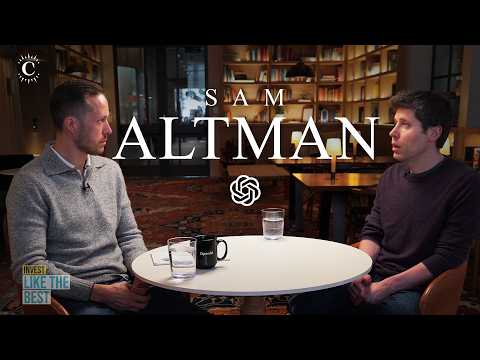
OpenAI's early belief that AGI was possible and worth going after is an example. When OpenAI was first announced, giants of the field called it insane, hype, and irresponsible, and told journalists the people behind it were not very good and it would not work. That audacious vision appealed to a certain kind of researcher who wanted to go on a crazy adventure with a low probability of success, which made it a very powerful recruiting tool.
Why does going against the crowd pay?
Peter Thiel's 2014 book Zero to One builds on a single interview question: what important truth do very few people agree with you on? The logic is that a popular opportunity attracts competitors and capital, which squeeze the returns. An unpopular opportunity that proves right has no rivals until others notice. Thiel also argues that startups succeed by building a monopoly in a small market rather than competing in a crowded one.
How do crowded investments lose their edge?
Investor Howard Marks of Oaktree Capital has written that beating the market requires being both different from the consensus and right. A popular holding is already priced for good news, because the many buyers who like it have pushed its price up. Economist Eugene Fama's efficient market hypothesis makes a stronger version of the point: public information is quickly built into prices. Fama shared the 2013 Nobel Prize in economics for his work on asset prices.
Why did OpenAI launch as a nonprofit?
OpenAI announced itself in December 2015 as a nonprofit research lab, with founders and backers including Sam Altman, Greg Brockman, Elon Musk, and Peter Thiel pledging one billion dollars. Its stated goal was to advance digital intelligence in the way most likely to benefit humanity as a whole, unconstrained by a need to generate financial return. In 2019 the organization created a capped-profit arm to raise more capital.
More from Invest Like the Best with Patrick O'Shaughnessy