Korva is a scroll of the internet’s best ideas.
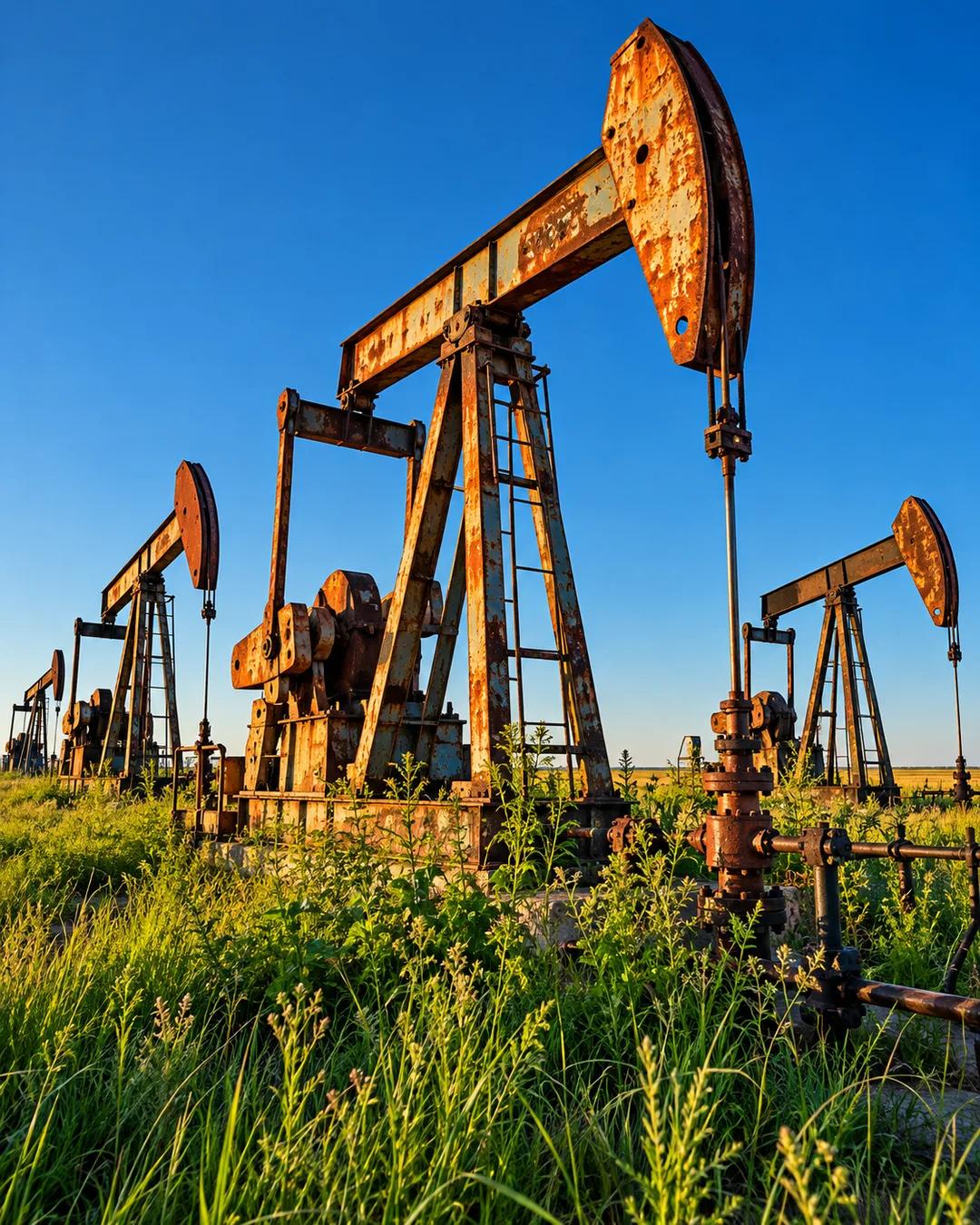
Biggest reserves, 75% less oil

The reserves
OPEC figures put Venezuela's reserves at roughly 303 billion barrels. Independent estimates put the recoverable figure closer to 100 billion barrels, because a lot of that oil is extremely heavy, extremely deep, and extremely expensive to get out of the ground. Even the conservative estimate makes it one of the most resource-wealthy countries on the planet.
Why output fell
The country failed to maintain the physical infrastructure or the technical expertise needed to extract it at any meaningful scale. Heavy international sanctions, the nationalization of foreign oil assets under Hugo Chavez in 2006 and 2007, chronic underinvestment in maintenance, endemic corruption, and the mismanagement that comes with running a major industrial operation as a political patronage system all drove the industry down. That is a decline of roughly 75%.
The recovery
Since the US operation began, exports have recovered. By April of 2026, Venezuelan crude exports were averaging around 1.23 million barrels per day, the highest level recorded in more than 7 years. Independent analysis suggests the country could sustainably reach 1.5 to 2 million barrels per day within 3 to 5 years if investment actually materializes.
Why is recoverable oil far below reserves?
Oil in the ground is not all producible, and the share that can be pulled out is called the recovery factor. It depends on how thick the oil is, how deep it sits, and what technology and money are applied. The extra-heavy oil in Venezuela's Orinoco Belt is thick enough that it will not flow freely without heat or lighter diluent. Reserves are also counted only if they can be produced economically at prevailing prices.
How did the state oil company lose its experts?
After a strike at Venezuela's state oil company PDVSA in 2002 and 2003, the government dismissed about 18,000 employees, a figure widely reported by news agencies. Many of them were engineers, geologists, and managers who held years of technical experience. Training replacements takes years because deepwater and heavy-oil work depends on specialized knowledge. Many of the dismissed workers later took jobs at oil companies in other countries.
Why do OPEC and independent reserve estimates differ?
OPEC publishes figures reported by its members, and it does not independently audit them. Independent analysts apply stricter technical and economic tests to decide what can really be produced. Venezuela's reported proven reserves rose sharply around 2010 when the Orinoco Belt's heavy oil was added to the books.
More from Economics Explained