Korva is a scroll of the internet’s best ideas.

Bluffed expertise, studied overnight
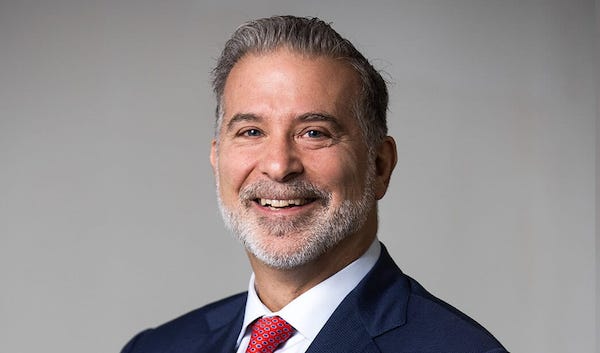
Raising his hand
Christopher Seeger was a very junior lawyer when Milberg Weiss, a very experienced plaintiff's firm, brought him into class actions against workers' comp carriers that overcharged businesses on their premiums. In a room full of smart lawyers, someone asked whether anybody had experience with the underwriting of workers' comp policies. He raised his hand and said just enough to sound like he knew what he was doing.
The next question was who would take the deposition of an expert witness, and whether he had ever deposed one. He raised his hand again and said yes. He had never taken one.
One night of study
That night he bought every book he could find on what goes into underwriting a workers' comp policy, plus a pile on how to depose an expert witness. He studied them, took the deposition, and it came out well. He leveraged it into a bigger role in the case and became the underwriting guy, the one who deposed the experts.
Boxing and commitment
Seeger had boxed as an amateur from about fifteen into his early twenties, never a brave fighter. Walking into the ring, he would tell himself he might as well make the best of it. Once he committed to something, he put in the time.
How are workers' comp premiums calculated?
Premiums start with payroll. An insurer assigns each class of employee a code for the kind of work they do, then multiplies the payroll in that code by a rate set per $100 of wages. The result is adjusted by an experience modification factor that compares the employer's past claims with those of similar businesses. In many states, the National Council on Compensation Insurance supplies the class codes and the experience rating formula.
Why do lawyers depose expert witnesses before trial?
Under the federal rules of civil procedure, a party must disclose an expert's opinions and the reasons behind them before trial. A deposition lets the other side question the expert under oath and lock in the answers. The transcript can then be used to challenge the expert's qualifications or methods before a judge decides whether the testimony reaches the jury. Those challenges are commonly made under the Supreme Court's 1993 Daubert decision, which has judges act as gatekeepers for expert testimony.
More from Original Jurisdiction