Korva is a scroll of the internet’s best ideas.
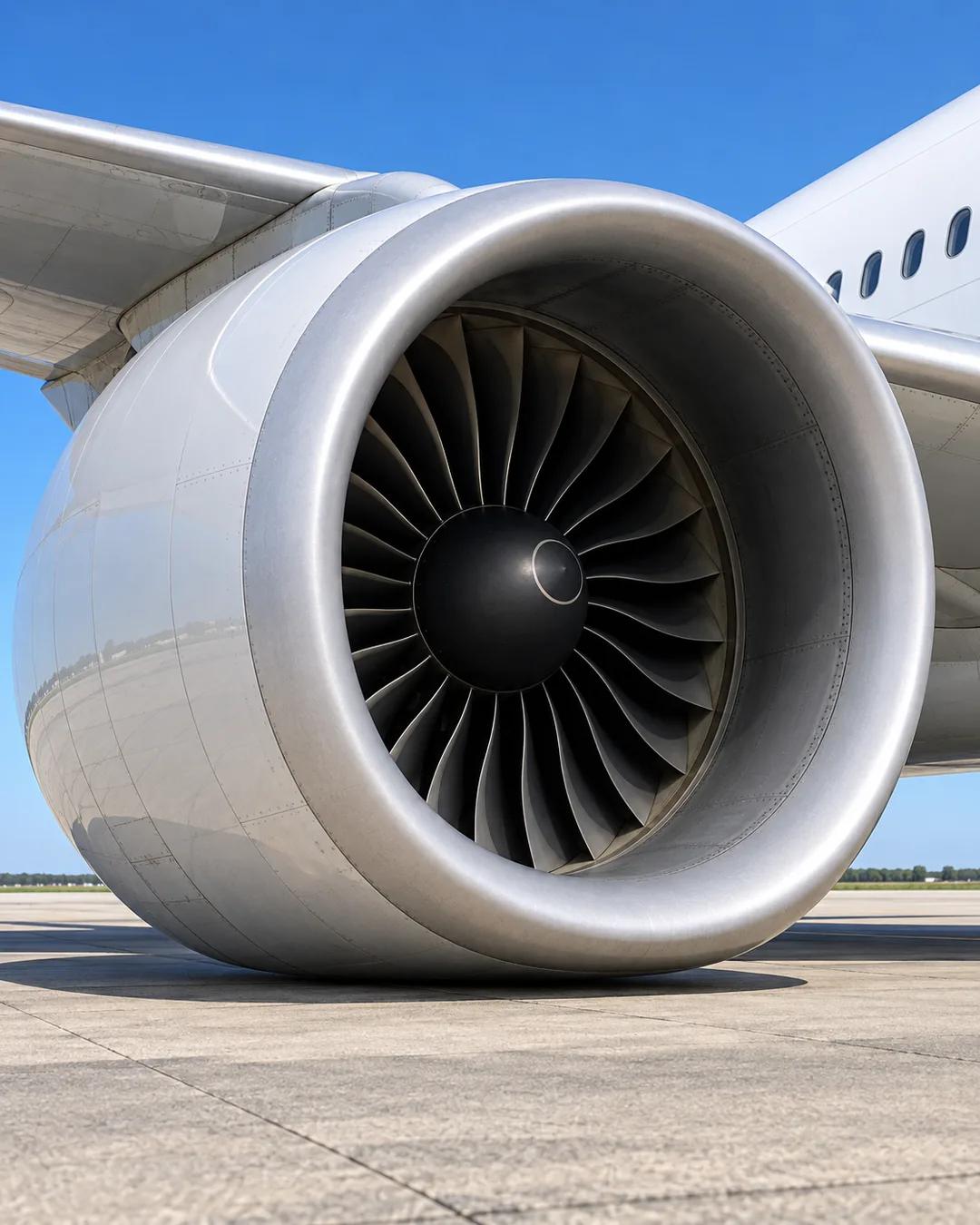
Boeing hid software in the 737 MAX

Why the MAX exists
Airbus had released an incredibly fuel-efficient plane and was taking share from Boeing. A brand-new Boeing plane would have required tons of hours of teaching and training, which makes a plane harder to sell. So Boeing attached a fuel-efficient engine to the old 737, which is where the name 737 MAX comes from.
The hidden software
The engine was too big, so it had to move forward on the wing, and that left the plane imbalanced. During test flights it would occasionally tip up. Boeing wrote MCAS to deal with it and put it in the plane without telling anybody. If a sensor reported the plane tipping up, the autopilot pushed it down.
The crashes
Two crashes followed, in October 2018 and March 2019. On the Ethiopian flight, the pilot's sensor malfunctioned, the software believed the plane was tilting up, and it pushed the plane into the ground. Forty-five days after the first crash, almost everyone knew the MCAS software was at fault, and neither Boeing nor the FAA grounded the plane.
Why does a bigger engine pitch the nose up?
The 737 sits low to the ground, so the larger engines on the MAX were mounted farther forward and higher on the wing. At high angles of attack, the engine housings themselves generate lift well ahead of the plane's center of gravity. That lift pushes the nose further upward, and the effect grows the farther forward the engine sits. The 737 first flew in 1967, a design from an era of much smaller engines.
Why does pilot retraining cost airlines so much?
A pilot is certified for a specific aircraft type, and moving to a different type usually means simulator time and checks. Pilots out of the cockpit for training are pilots not flying, and the airline pays for both. An airline with a single type can swap crews between any of its planes. Southwest Airlines has long flown only 737s.
How does a tilt sensor work on a plane?
An angle-of-attack sensor is a small vane mounted on the fuselage that swings to align with the airflow around it. It reports the angle between the wing and the oncoming air, which is what determines whether a wing is about to stall. Pilots and flight computers rely on that angle because airspeed alone does not show it. Large airliners carry more than one of these vanes.
More from All-In with Chamath, Jason, Sacks & Friedberg