Korva is a scroll of the internet’s best ideas.
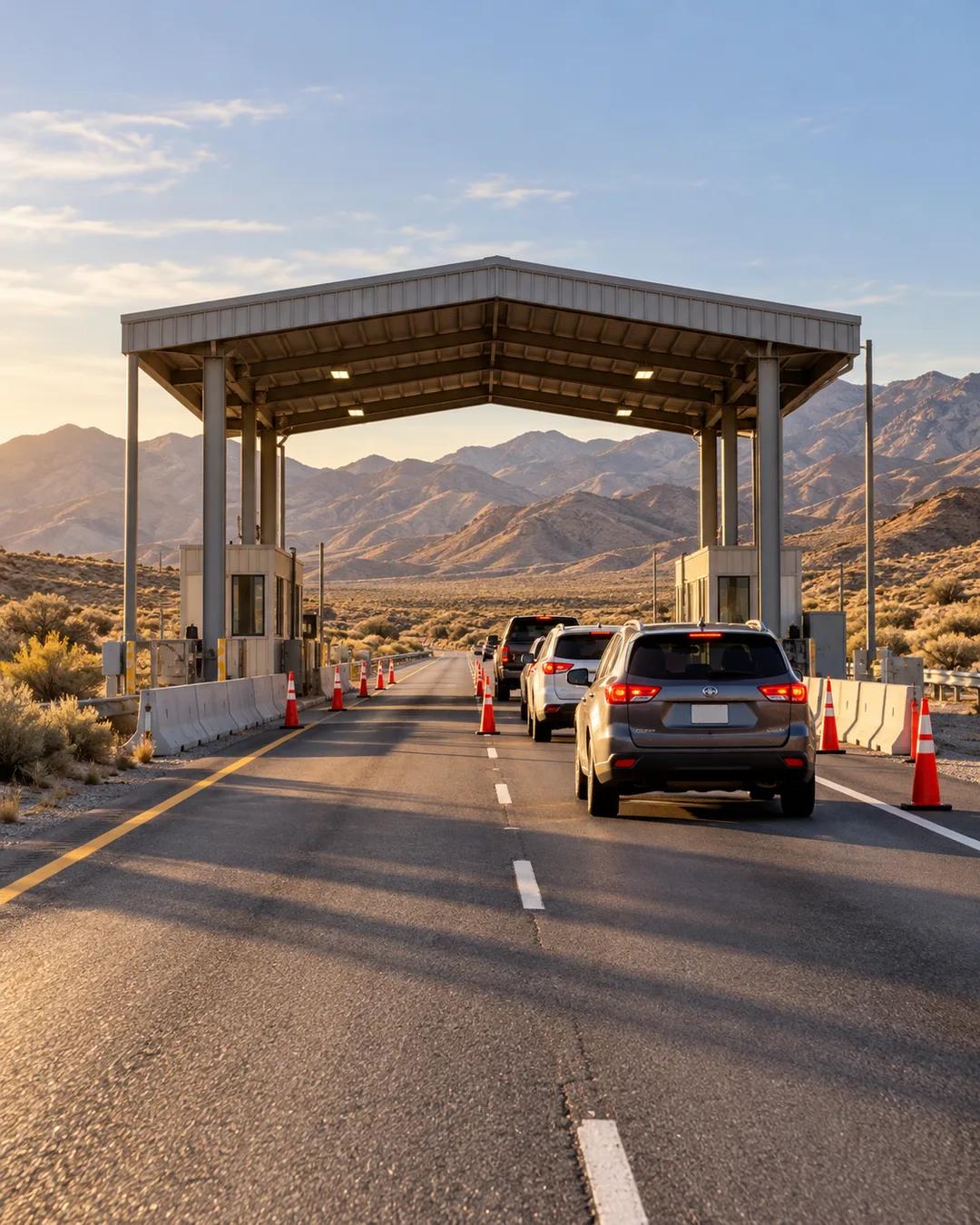
Border authority reaches 100 miles inland

The 100-mile zone
The zone covers coastal borders, land borders, and airports. The agency is powerful there and wants to understand what happens inside it, which makes it more inward-focused than the military and intelligence agencies, whose work is largely overseas.
What DHS wants
Its mission is to see who is coming into the country, what goods are arriving, and who is applying for a visa. It also wants to know where visitors go and what they do once they are here. It wants a traveler's face for touchless TSA PreCheck, and it wants to know who the traveler is flying with and whether the group poses a threat to civil aviation.
Local police data
Local police departments collect a different slice. They think about who is saying what on social media about local politicians and the school system, where cars travel in the mornings and evenings, and whether those cars head downtown or to known drug trafficking spots. Much of it comes from commercial sources, with little public conversation about the limits.
Why is the border zone 100 miles wide?
A federal statute lets immigration officers board vehicles and search for people within a reasonable distance of the border without a warrant. Regulations from 1953 define that distance as 100 air miles. The American Civil Liberties Union has estimated that roughly two-thirds of the US population lives inside the zone. Checkpoints inland, such as on highways in Texas and Arizona, operate under that authority.
How does touchless airport screening match a face?
Customs and Border Protection's Traveler Verification Service compares a photo taken at a gate or checkpoint against a gallery built from passport, visa, and other government photos for the travelers expected on the flight. A match confirms identity without the traveler showing a document. The agency began pilots for exit screening at airports in 2017. The TSA runs a related process at some checkpoints, comparing the live photo with the photo on the traveler's ID.
More from Shawn Ryan Show