Korva is a scroll of the internet’s best ideas.
Borrowed 100% of the purchase price

The goal and the target
After a fishing trip in Montana, Mitch and Steve Rales set a goal: build a business in their lifetime with $250 million in sales and a 10 percent operating margin. The first target was MasterShield, a vinyl siding maker whose parent company was in bankruptcy and needed to sell. Mitch had sold vinyl siding as a manager at his father's building supply business in Baltimore, and he knew it beat steel, wood, and aluminum because it never chipped and never needed repainting.
Borrowing the full price
The man running MasterShield, Nick Martin, asked where two young punks were going to find the money. They laid out borrowing against the receivables, the inventory, and an appraisal, which covered five of the six million. When he asked where the last million of equity would come from, they told him they would borrow that too and get back to him.
A banker in Maryland gave them the million. Mitch thinks his father probably guaranteed the loan behind the scenes, and his father went to his grave without ever saying whether he did. The company was doing $9 million in revenue and $600,000 in operating profit at the time. Three years later it was doing $40 million in revenue and $6 million in operating profit.
Becoming Danaher
That launched the next deal. In 1983 they bought Mohawk Rubber for $90 million, borrowing $88 million from General Electric Credit Corporation and putting in $2 million of equity from MasterShield's cash flow. In September 1984 they merged the two companies into a defunct real estate investment trust and renamed it Danaher.
How can buyers repay a loan-funded purchase?
A leveraged buyout works by borrowing against the target company's own assets and cash flow, so the company itself services the debt. The technique grew in the late 1970s and 1980s, with firms such as Kohlberg Kravis Roberts making it a mainstream way to buy companies. Lenders look closely at steady cash flow, which makes mature, predictable businesses the usual targets. The debt is paid down from the company's profits over the years that follow.
Why do banks lend against receivables and inventory?
Receivables and inventory can be turned into cash if a borrower fails, so lenders treat them as collateral. This is called asset-based lending. The bank sets a borrowing base, advancing a percentage of the value of the eligible assets, usually a higher percentage for receivables than for inventory. The base is recalculated as the assets rise and fall, so the credit line moves with the business.
Why is vinyl siding so low maintenance?
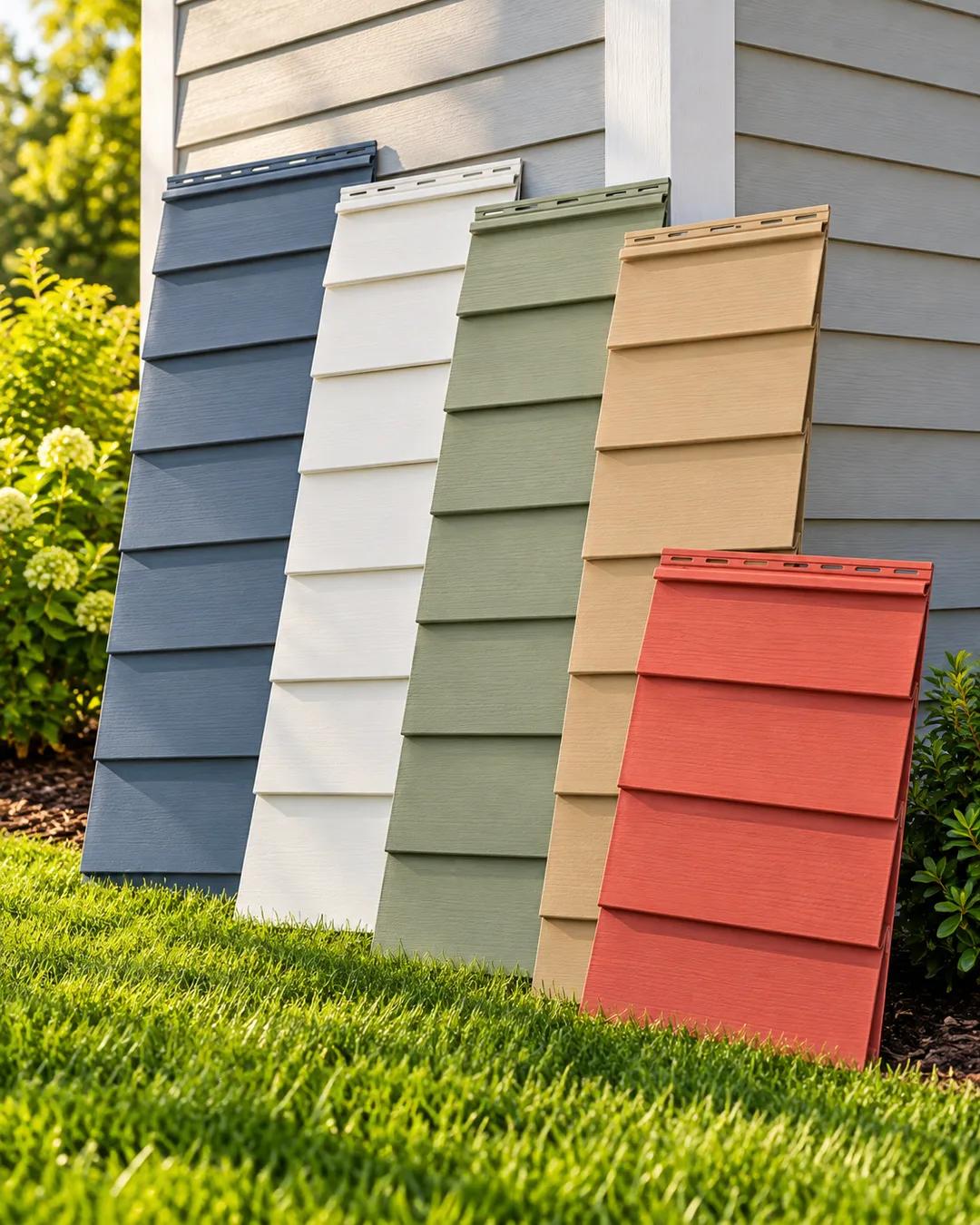
Vinyl siding is made from polyvinyl chloride, with color mixed through the whole panel instead of painted on the surface. Because the color runs all the way through, scratches and chips do not show bare material. Titanium dioxide and other additives in the mix block ultraviolet light, which is what fades most exterior finishes. The material took off in the United States after its introduction in the late 1950s.
Why did they name it Danaher?
Danaher takes its name from Danaher Creek in Montana, where the Rales brothers fished. The creek runs through the Bob Marshall Wilderness and flows into the South Fork of the Flathead River. The wilderness covers about a million acres of the northern Rocky Mountains.
More from Joys of Compounding