Korva is a scroll of the internet’s best ideas.
Britain thought Ireland was solved

The question closed
Since the 1920s most British politicians had worked on the assumption that the Irish question, which had dogged Britain for so long, was finished. Northern Ireland had its own parliament, so Westminster would let it get on with things. Interfering was dangerous, because the people there had a tendency to start arming themselves, and nobody wanted to stir them up again.
Out of the news
As a result Northern Ireland virtually never appeared in the newspapers or on TV news bulletins, and most people never thought about it at all. James Callaghan, the grandson of an Irish immigrant, later judged that most members of parliament knew less about it than about distant colonies on the far side of the earth. The 1950s papers were full of Cyprus, Kenya, and Malaysia and carried virtually nothing about Northern Ireland.
Early warnings
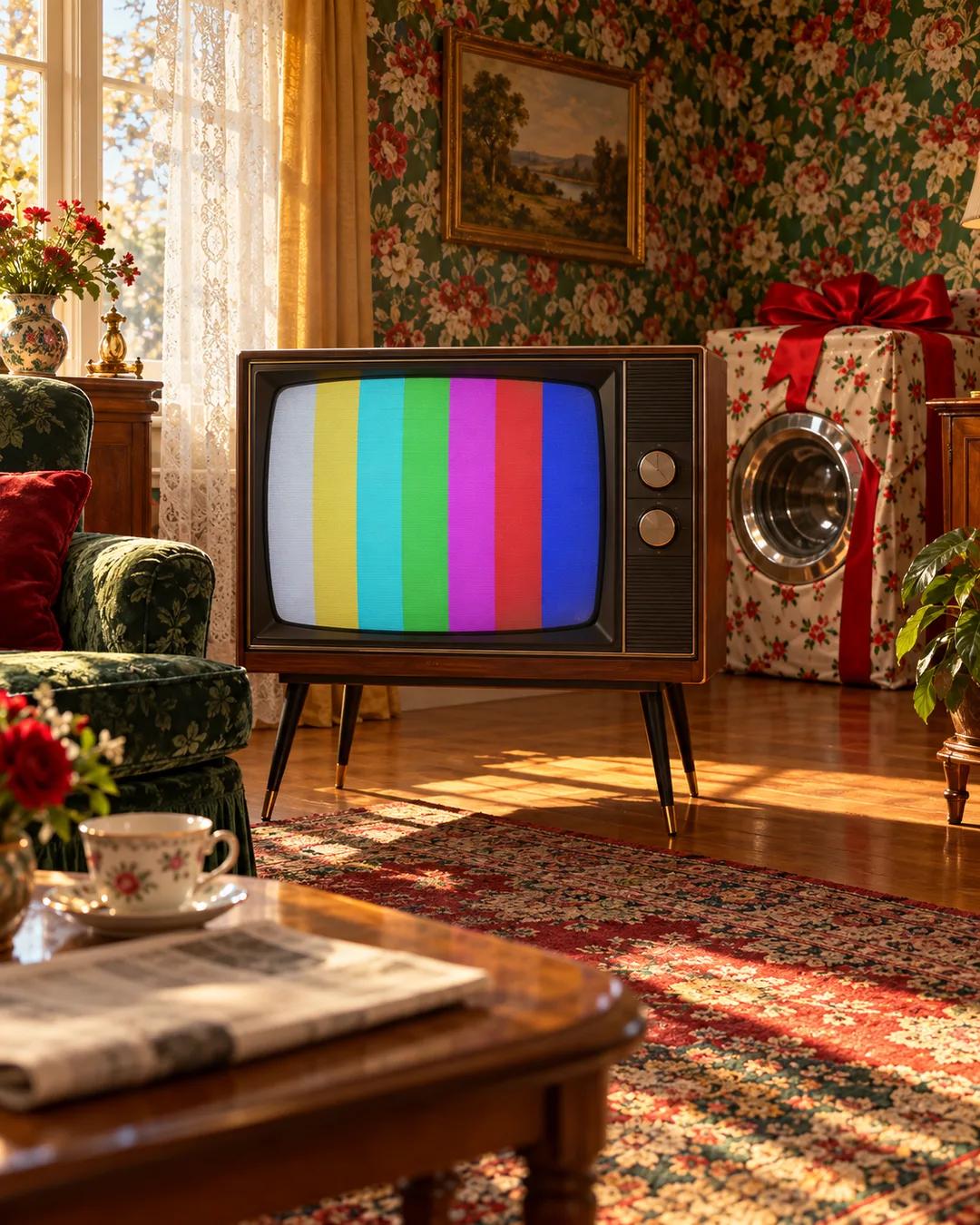
The Unionists held every Westminster seat from the province, the Nationalists were irrelevant, and the IRA had been beaten. In the affluent 1960s most people in Northern Ireland, Protestant and Catholic alike, were more interested in buying a new TV or a washing machine than in refighting old battles. Some Labour backbenchers started the Campaign for Democracy in Ulster in the mid-1960s, and The Times, The Sunday Times, and The Guardian pointed out that Catholics were not getting houses or votes in local elections.
The Times of 12 April 1965 looked ahead to a bright future for the province and found no excuse for pessimism about it. Modernization, it wrote, was on the march.
Why did Westminster avoid Northern Ireland?
Under the 1920 Government of Ireland Act, Stormont handled most domestic matters. The Speaker of the House of Commons ruled that devolved matters could not be debated or questioned at Westminster. That convention kept policing, housing, and local government in Northern Ireland off the agenda for decades. It was set aside only as the crisis of 1969 deepened.
When did Britain finally pay attention?
British troops were sent into the streets on 14 August 1969 after the Battle of the Bogside, three days of rioting in Derry. The deployment, called Operation Banner, was meant to be short. It lasted until July 2007, making it the longest continuous operation in British Army history.
More from The Rest Is History