Korva is a scroll of the internet’s best ideas.
Burned the autopsy report

The autopsy doctors
Dr. James Humes and Dr. J. Thornton Boswell carried out the most important autopsy in American history at Bethesda Naval Medical Center. Neither was a forensic pathologist. Both worked on deaths from natural causes, and Doug Horn, a senior staff member of the Kennedy Assassination Records Review Board from 1995 to 1998, considers them unqualified for this autopsy.
The burned draft
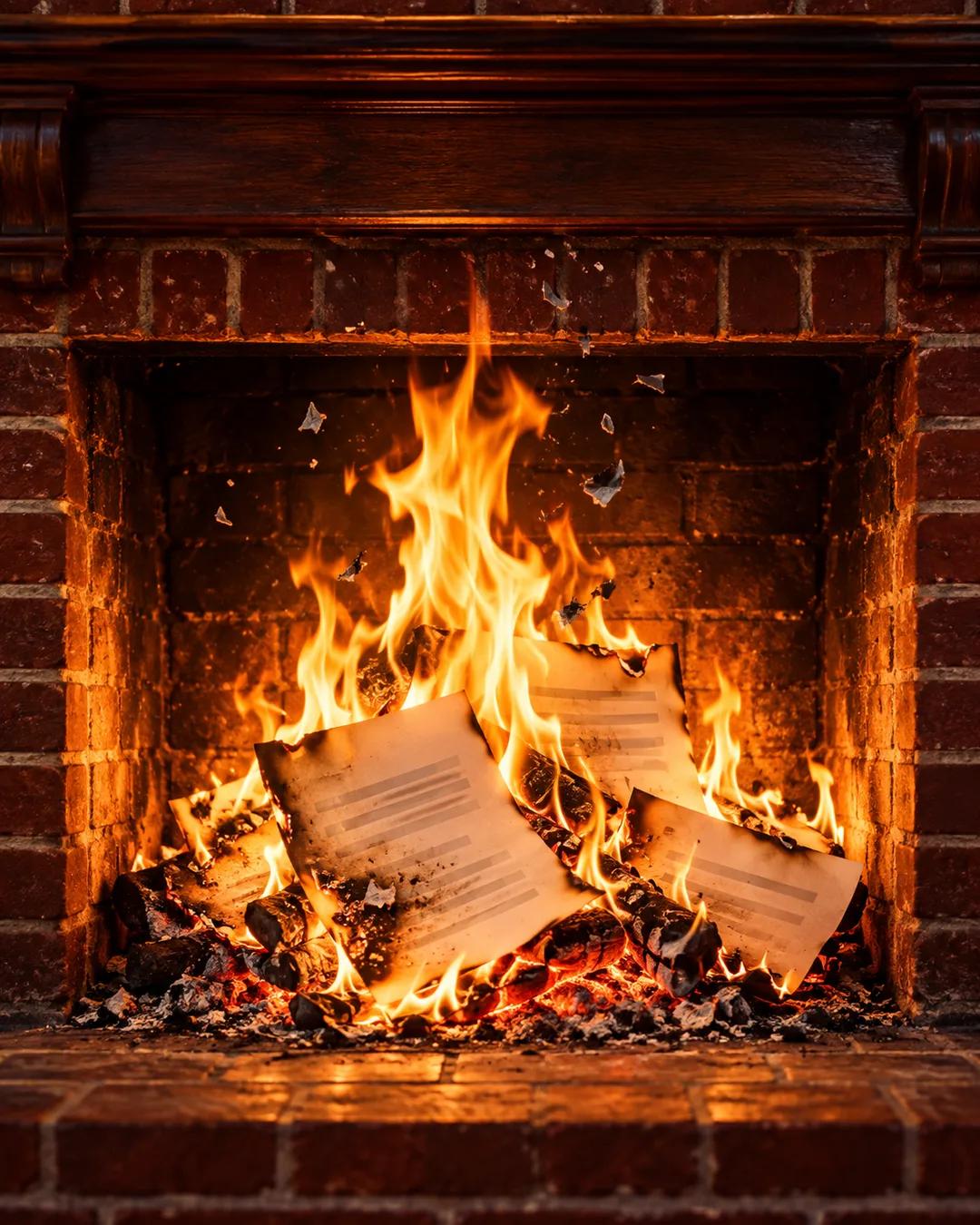
Humes finished the report at home. Early on Sunday morning, November 24, he wrote a draft there, later revised it, and burned the draft in the fireplace of his recreation room. Horn adds that most of the original notes went into the fire as well. Humes admitted all of this to the Warren Commission the following year.
In 1992 he told the New York Times why: the original was stained with blood, and he did not want it to become a ghoulish collector's item. He insisted that the second report was copied word for word from the draft he burned.
Horn made a chain-of-custody study of the autopsy report while he was at the review board. The first thing he found was that Humes had written two sets of conclusions.
Why does it matter that they weren't forensic pathologists?
A forensic pathologist is a physician who first completes training in anatomic pathology and then a further fellowship in determining cause and manner of death. The specialty focuses on deaths from violence, accidents, and suspicious circumstances. Examiners learn to read bullet paths, estimate firing distance, and document wounds in ways that stand up in court. Hospital pathologists, by contrast, mostly examine disease and deaths from natural causes.
Why did Congress create the Review Board?
Oliver Stone's 1991 film JFK revived public demand for the government's Kennedy files. Congress responded with the President John F. Kennedy Assassination Records Collection Act of 1992. The law created the Assassination Records Review Board, a panel of five civilians appointed by the President. The board worked from 1994 to 1998 and gathered millions of pages of records into a single collection at the National Archives.
Why do investigators keep drafts and original notes?
Drafts and handwritten notes show how a report's conclusions developed and what the examiner saw before any editing. Lawyers and later reviewers compare them against the final version to check that nothing was added or dropped. Forensic laboratories today usually require that bench notes be kept with the case file for this reason. Federal records law, starting with the Federal Records Act of 1950, treats documents of government work as records to be preserved.
More from Who Killed JFK?