Korva is a scroll of the internet’s best ideas.
Busyness protects against rejection

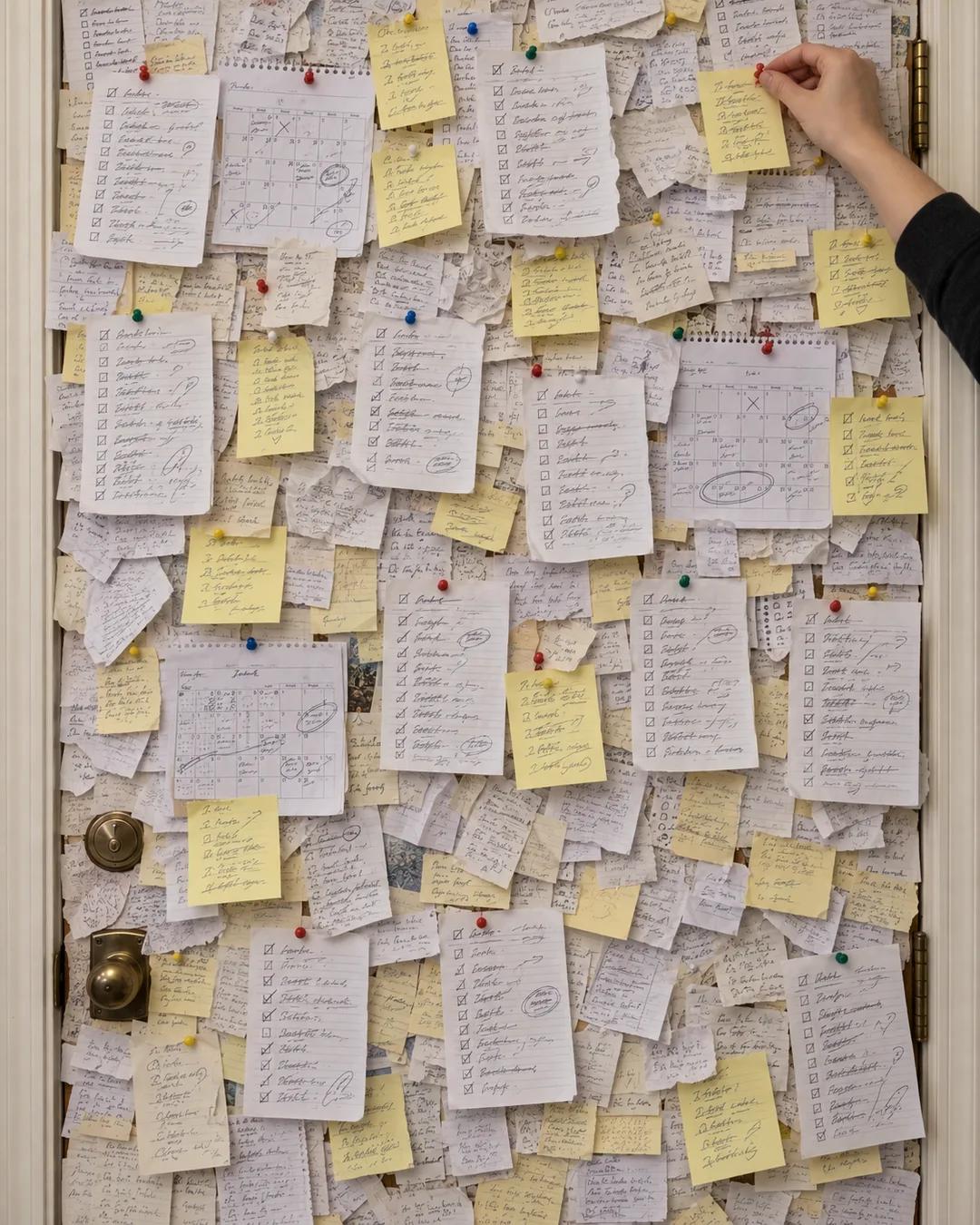
Busyness as a wall
Life is genuinely busy, and busyness also works as a wall. A person with no time for new friends never has to risk a no.
Old friendship wounds
Much of the reluctance traces back to old friendship wounds. Being excluded as a kid, ostracized in middle school, bullied in high school, or left by a friend in a painful breakup at 25 can teach that friendship is risky, because it requires vulnerability and openness. Getting hurt after putting yourself out there can leave internal shame and a feeling of not wanting to try again.
Fear and comparison
Fear and comparison add to it. Embarrassment about a job, a recent divorce, or not having children yet leads people to avoid meeting anyone who might judge them. Someone who scrutinizes themselves tends to project that judgment onto others, when nobody may care about their marriage or career at all.
The result is adults who have a partner, family, and colleagues but no close friends, which affects their mental health, sense of belonging, and well-being.
Why does rejection hurt so much?
In a 2003 study in Science, Naomi Eisenberger, Matthew Lieberman, and Kipling Williams scanned people's brains while they played a virtual ball-tossing game called Cyberball. Partway through, the other players stopped passing the ball to them. Being left out activated the dorsal anterior cingulate cortex, a region also involved in the distress of physical pain. People who reported feeling more socially distressed showed more activity there.
Why do people think everyone notices their flaws?
In a 2000 study led by Thomas Gilovich at Cornell, students were asked to walk into a room wearing a T-shirt with Barry Manilow's face on it. The students guessed that about half the people in the room would notice the shirt, and only about a quarter did. Gilovich and his colleagues named this the spotlight effect, the tendency to overestimate how much others notice us. The paper appeared in the Journal of Personality and Social Psychology.
How do early hurts shape later behavior?
Geraldine Downey and Scott Feldman described rejection sensitivity in a 1996 paper in the Journal of Personality and Social Psychology. They defined it as a habit of anxiously expecting rejection, readily perceiving it in ambiguous behavior, and reacting intensely to it. They argued that early experiences of rejection teach people to expect it later. Their measure, the Rejection Sensitivity Questionnaire, has since been used in studies across many age groups.
More from This Feels Familiar with Minaa B.