Korva is a scroll of the internet’s best ideas.
Buying data skips the warrant
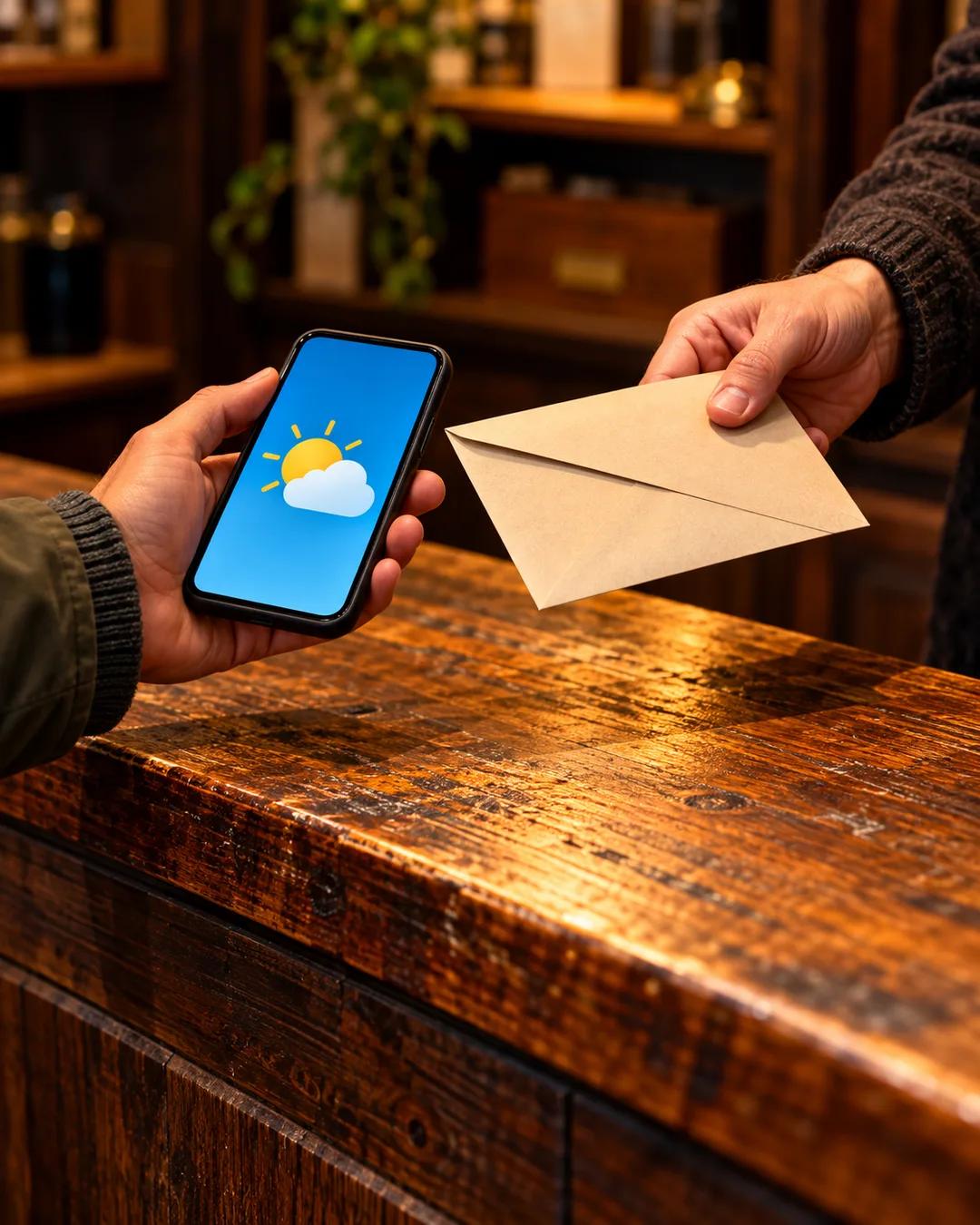
Once data comes from a private company, the Fourth Amendment no longer applies, because the government is simply making a commercial purchase. It cannot go to AT&T and ask for all of one person's movements over the last 30 days without a warrant.
If that person opted in to a weather app that collects location, the app can sell the data to the government, and the warrant is no longer needed. That loophole sits at the heart of current Fourth Amendment doctrine. A vocal bipartisan group in Congress wants to close it, and so far the body has not acted.
Government workers also face rules and regulations about when and how they can target people. When the data comes off the open market, some of those rules go out the door.
Why does a purchase escape the Fourth Amendment?
The reasoning traces to the third-party doctrine. In Smith v. Maryland in 1979, the Supreme Court held that a person has no reasonable expectation of privacy in the phone numbers they dial, because the numbers are handed to the phone company. United States v. Miller reached the same conclusion for bank records in 1976.
How did Carpenter change location data rules?
In Carpenter v. United States in 2018, the Supreme Court held 5 to 4 that the government generally needs a warrant to obtain historical cell-site location records from a carrier. Chief Justice John Roberts wrote that such records give an intimate record of a person's movements. The opinion concerned records the government demanded from a carrier, not data it bought on the open market.
More from Shawn Ryan Show