Korva is a scroll of the internet’s best ideas.
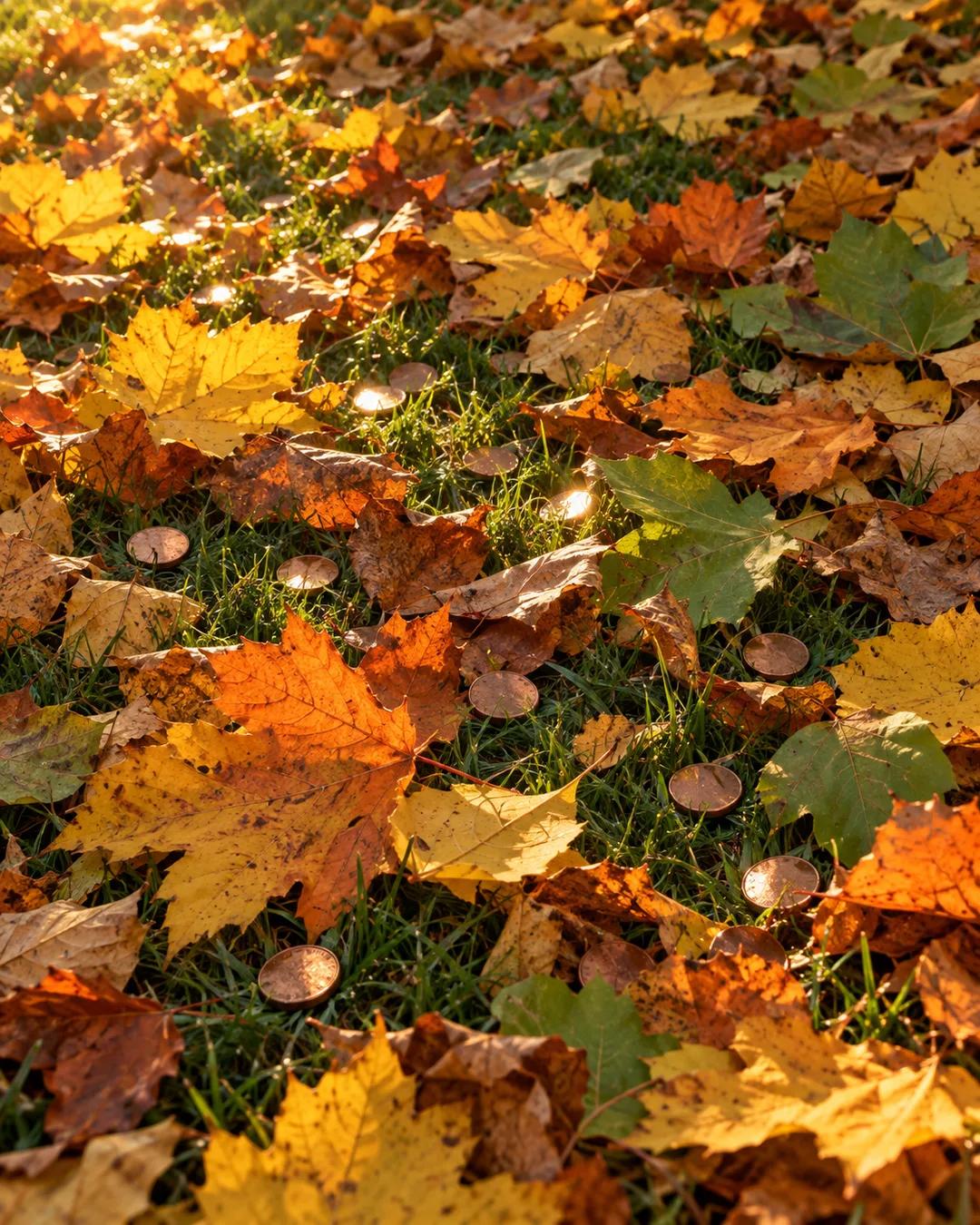
Geddes was teaching botany and about to leave the University of Dundee when he gave the lecture. He told students that some people have strange ideas about money and think energy is generated by the circulation of coins.
In his picture the world is mainly a vast leaf colony, growing on and forming a leafy soil. What feeds people is the fullness of their harvests, with the jingling of coins playing little part.
A friend pointed the passage out to Jonathan Silvertown, and it helped inspire his book on leaves. If somebody were throwing coins onto your lawn, how would you feel? Leaves are what land there, and they are better than coins.
Why did Geddes link botany and city planning?
Patrick Geddes trained as a biologist and came to see cities as living systems that grow, change, and depend on their surroundings. He coined the word conurbation in 1915 in his book Cities in Evolution to describe towns merging into one urban region. He held the chair of botany at University College Dundee from 1888 to 1919. Later he planned parks and housing in cities from Edinburgh to Tel Aviv.
How do leaves feed the whole planet?
Almost every food chain on land begins with a leaf, because photosynthesis turns sunlight into sugars that other organisms eat. A 1998 study in Science by Christopher Field and colleagues estimated that photosynthesis on Earth fixes about 105 billion tonnes of carbon each year. Slightly more than half of that happens on land, and the rest happens in the ocean, mostly in tiny algae. The oxygen released along the way is the oxygen in the air.