Korva is a scroll of the internet’s best ideas.
California votes on billionaire tax

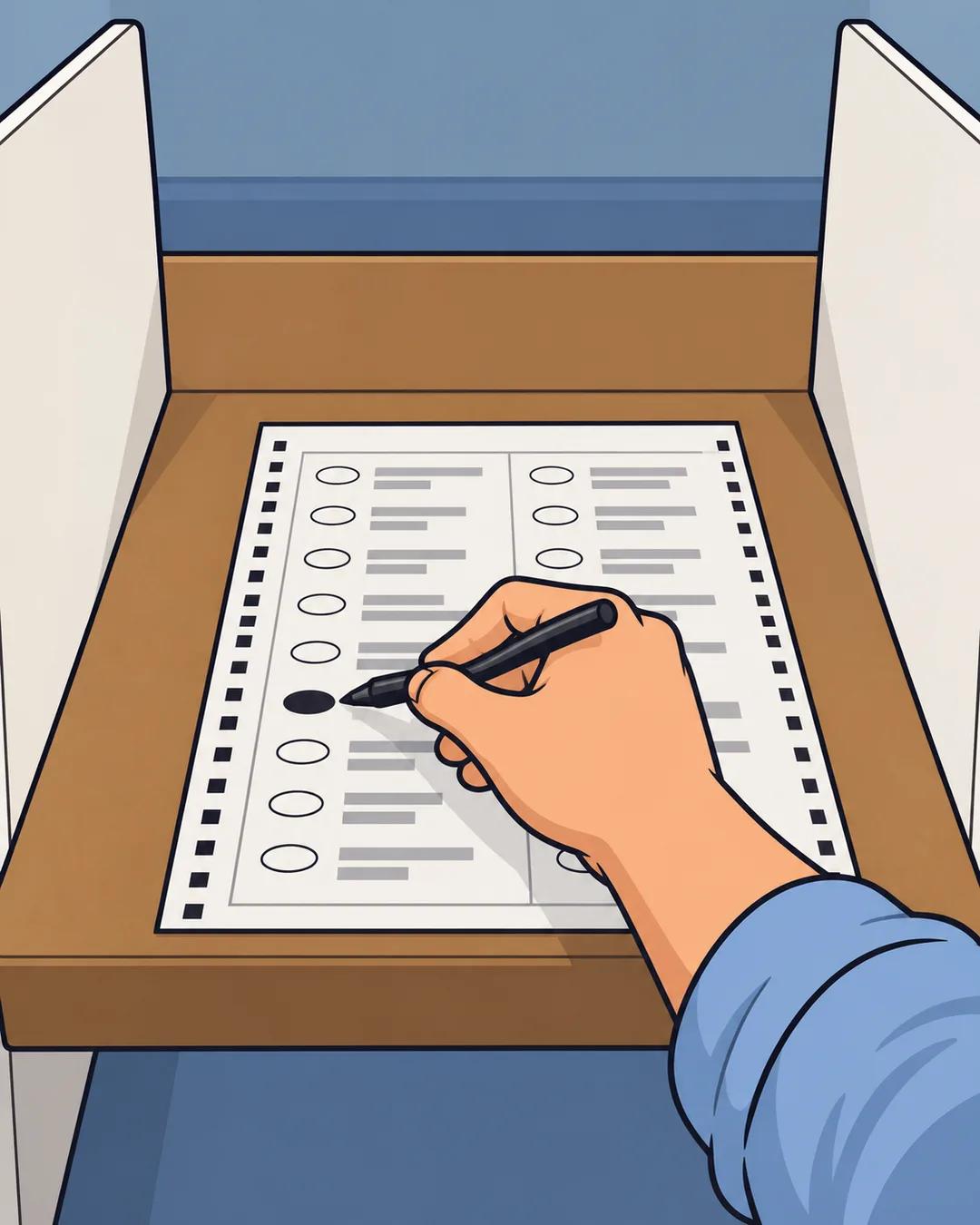
Supporters of the measure say it would raise around $100 billion, most of which would offset federal cuts to Medicaid. Opponents argue it would hurt California's economy by encouraging the biggest earners to leave. Others support taxing the rich but not the way this measure is structured. Billionaires who would owe the tax have spent heavily on advertising against it.
In Washington state, voters will decide whether to keep in place a new 10% income tax on millionaires. Several Democratic candidates, including Abdul El-Sayed in Michigan, have brought the question into House and Senate races, pledging to raise taxes on the super-rich if elected.
Over roughly the past decade, the net worth of the wealthiest Americans has more than doubled, and the top 1% now control more in assets than the GDP of the U.S. and China combined. The midterm elections are two weeks away.
How does a wealth tax differ from an income tax?
An income tax applies to money earned during a year, while a wealth tax applies to the total value of what someone owns, whether or not any of it was sold. Much of a billionaire's fortune sits in company stock, which is taxed as income only when shares are sold at a gain. That gap is why wealth taxes require assessing the value of assets that have no sale price. Federal Reserve data on household wealth show that stock ownership is concentrated at the top of the distribution.
Why did many European countries drop wealth taxes?
A 2018 report from the Organisation for Economic Co-operation and Development found that twelve member countries had net wealth taxes in 1990, and only a handful still had them by the late 2010s. The report pointed to the cost of administering them, the difficulty of valuing assets such as private businesses and art, and the movement of wealthy residents to other countries. Norway, Spain, and Switzerland were among those that kept a version.
How do California ballot measures work?
California adopted the initiative process in 1911 as part of reforms led by Governor Hiram Johnson. Supporters gather enough signatures on a petition to place a proposed law or constitutional amendment on the ballot. A simple majority of voters is enough for most measures to pass. Few other states give voters this much direct lawmaking power.
More from The Headlines