Korva is a scroll of the internet’s best ideas.
Carry heavy things and walk

The carry method
Strongman Tom Haviland, about six foot eight and close to 400 pounds, built his approach on the importance of picking up heavy things and walking with them. He loads one side more than the other and switches, and he drags a chain behind him from his right shoulder during two-handed carries.
Four months of hills
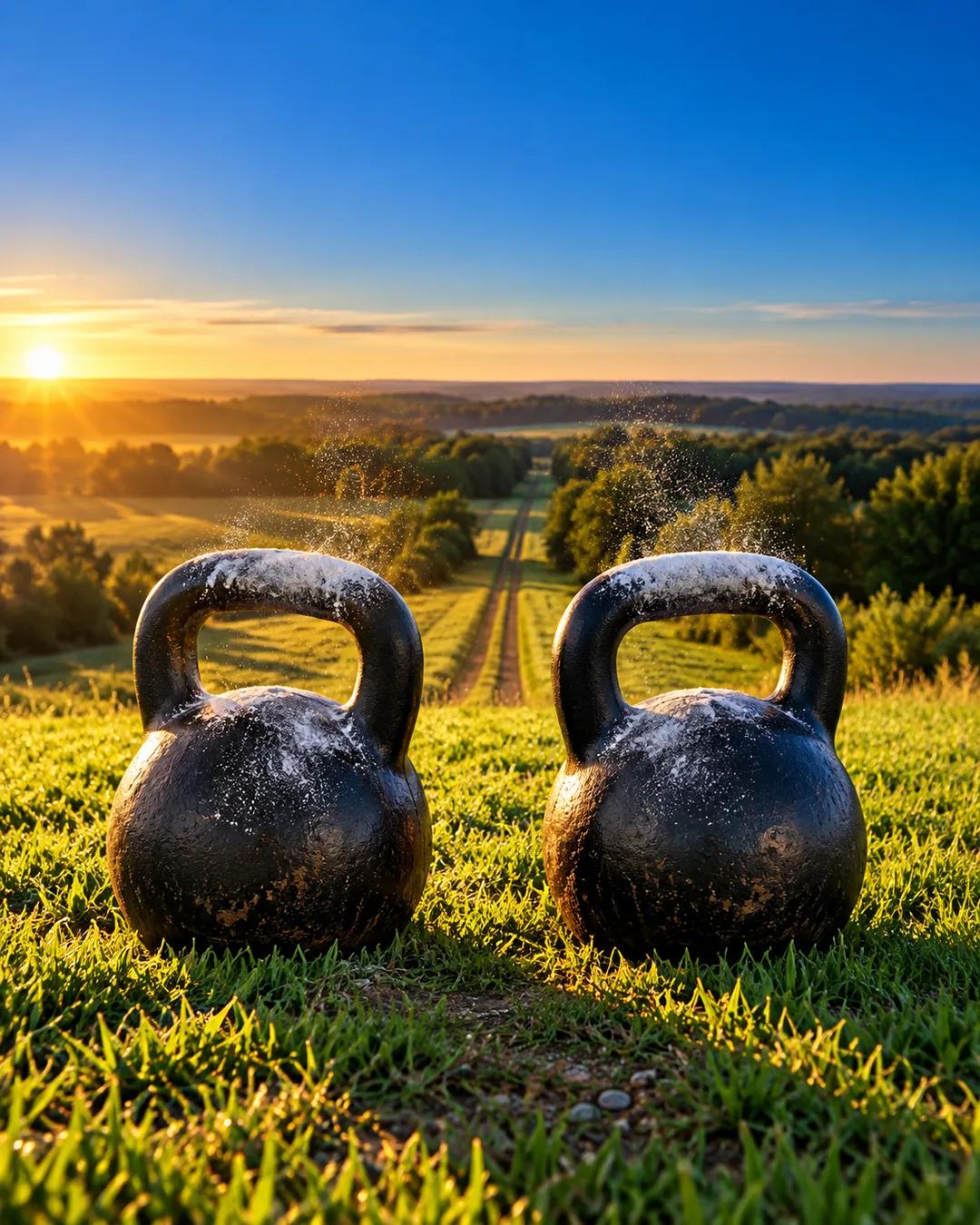
Four months of carrying a pair of 70-pound kettlebells up and down a 200-yard hill has transformed one lifter's legs, which are thicker and stronger. Grip is better, the core and back feel connected, and every other lift, from cleans and presses to windmills, gets stronger. At the top of the hill the forearms burn, and a pinch of chalk gets the hands going again for another trip.
Fewer injuries
Friends who train with heavy benching, squatting, and deadlifting are always getting hurt, while the carrier rarely is. Volume with reasonably heavy loads that do no damage matters more than the heaviest lift.
Why do carries train the core so well?
Carrying a load forces the trunk muscles to resist bending, twisting, and sagging with every step. Spine biomechanist Stuart McGill of the University of Waterloo has recommended one-sided carries because uneven weight makes the obliques and hip stabilizers resist side bending. Grip works the whole time, since the hands are the only link to the weight. The farmer's walk is a standard event in strongman competition.
Why does chalk help when grip fails?
Gym chalk is magnesium carbonate, a fine powder that absorbs sweat and skin oils. Drier hands create more friction against steel handles and bars. Climbers and gymnasts use it for the same reason. The effect comes from drying the skin rather than from adding any grip of its own.
More from The Joe Rogan Experience