Korva is a scroll of the internet’s best ideas.
Carrying a relationship alone

The women's group
At a women's group, one woman described a partner who refuses to go to couples therapy, calls it a waste of time, puts her down, and screams so much that her friends won't sleep over. She still loved him.
The doormat answer
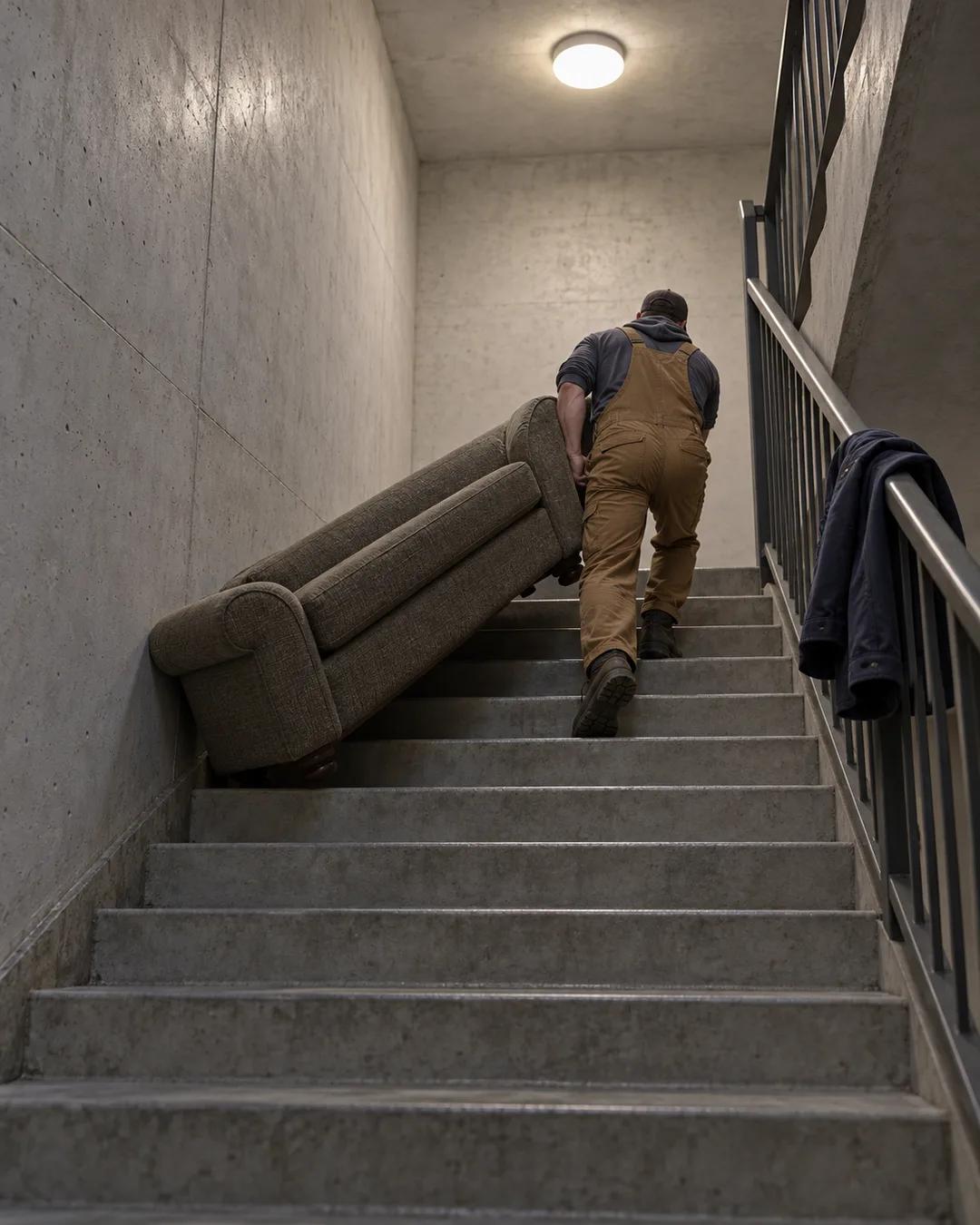
The coach told her that carrying the relationship on her back doesn't make her empathetic; it makes her a doormat waiting for the other person to choose her. She asked whether that had worked with her parents, and whether her dad had ever decided one day to work on the family. He left.
Hoping pain changes them
Many people hope that explaining how much something hurts will make the other person change. Seeing that pain requires them to be in touch with their feelings and sit with things, and plenty would rather say they don't want to deal with it. Life is hard enough without someone making it harder because you are dragging them along on your growth.
Why does uneven effort breed resentment?
Equity theory was developed by J. Stacy Adams in 1963 for the workplace, and Elaine Hatfield, Ellen Berscheid, and G. William Walster applied it to romantic relationships in the 1970s. It holds that people are most content when what they put in matches what they get out. Both the over-benefited and the under-benefited partner feel distress under inequity, though the under-benefited partner tends to feel anger and resentment.
Why do people stay in unhappy relationships?
Caryl Rusbult's investment model, introduced in 1980, holds that commitment rests on three things: satisfaction, the size of a person's investments, and the quality of the alternatives. Investments include time, shared friends, property, and memories, and they can keep a person committed even when satisfaction is low. Rusbult tested the model with dating couples over several months in 1983.
More from On Purpose with Jay Shetty