Korva is a scroll of the internet’s best ideas.

The cost of sitting idle
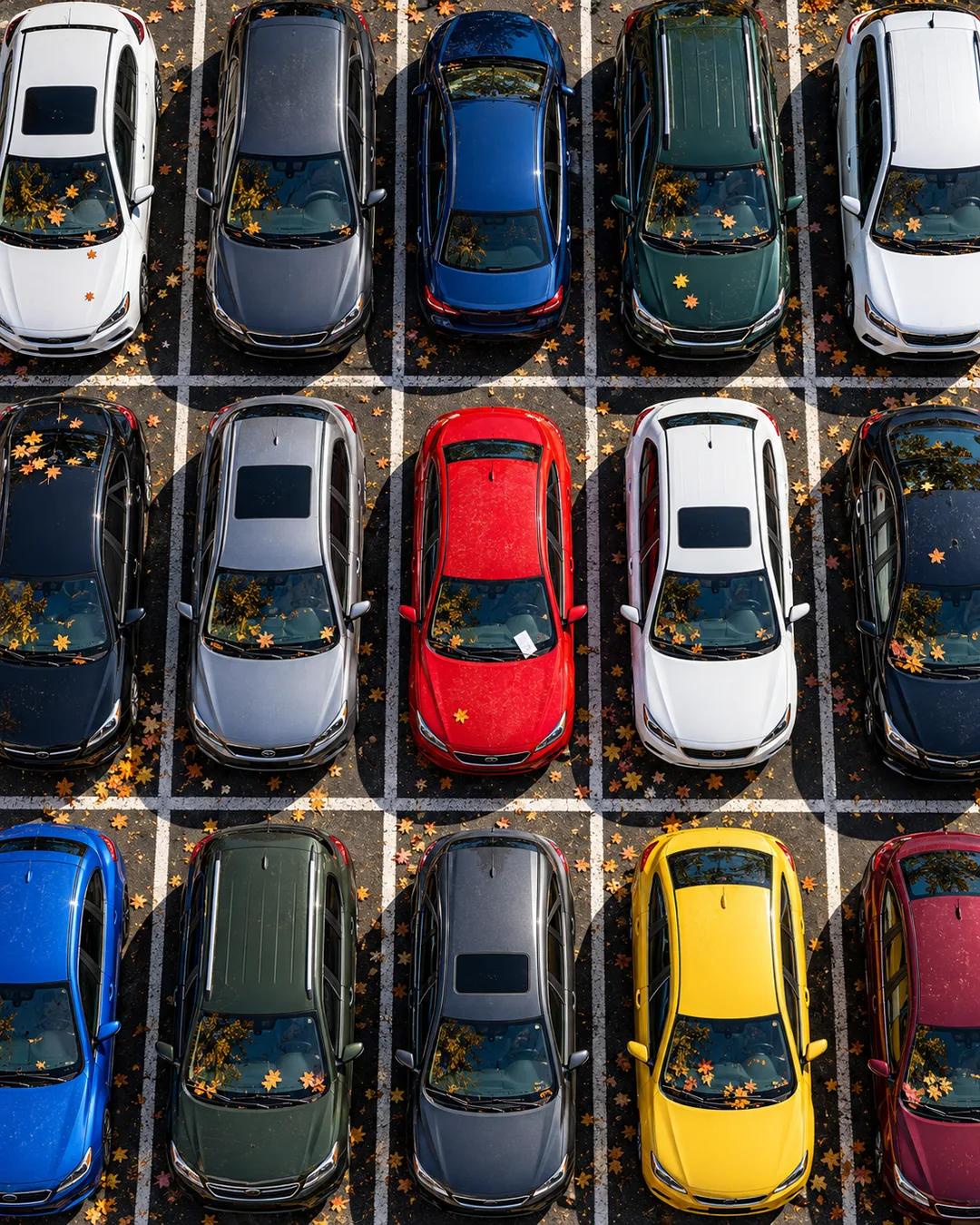
While it sits there, it depreciates, and the ongoing costs stay high. Insurance has to be paid even when nobody is driving. A car that costs 20 grand, plus three or four thousand in insurance, comes to about 24 grand, which is a very large number of rides.
Life without a car
That math is the case for living without a car. Someone with no driver's license can get around entirely on rideshare, and the more options a city offers, the easier it gets. Bikes and scooters, autonomous vehicles, and public transportation all fit into the same picture.
Where this heads
Over 15 or 20 years, the expectation is a world where almost nobody owns a car or holds a driver's license, because there is always something nearby to get in. Five years is probably too soon for that, but the direction is the same.
Why do cars spend so much time parked?
Most trips for work, school, and errands cluster in the same few hours, and each one ends at a destination where the car waits for the return trip. Commuting concentrates driving into a morning and an evening peak, which leaves the rest of the day empty. Cities have built large amounts of land into parking to hold those waiting cars. UCLA professor Donald Shoup documented how much space and money go to parking in his 2005 book The High Cost of Free Parking.
Why did car ownership spread so widely in the first place?
Ford introduced the Model T in 1908 and began using a moving assembly line in 1913, which cut costs again and again. The price fell from $850 in 1908 to under $300 in the mid-1920s. After World War II, suburbs and the Interstate Highway System, authorized in 1956, were built around the assumption that families would have cars.
How has driver licensing changed among young Americans?
Michael Sivak of the University of Michigan Transportation Research Institute analyzed Federal Highway Administration data on licensing. He found that the share of 19-year-olds with a license fell from 87 percent in 1983 to 69 percent in 2014. The share of 16-year-olds with a license fell from 46 percent to 24 percent over the same period.
More from The Twenty Minute VC (20VC): Venture Capital | Startup Funding | The Pitch