Korva is a scroll of the internet’s best ideas.
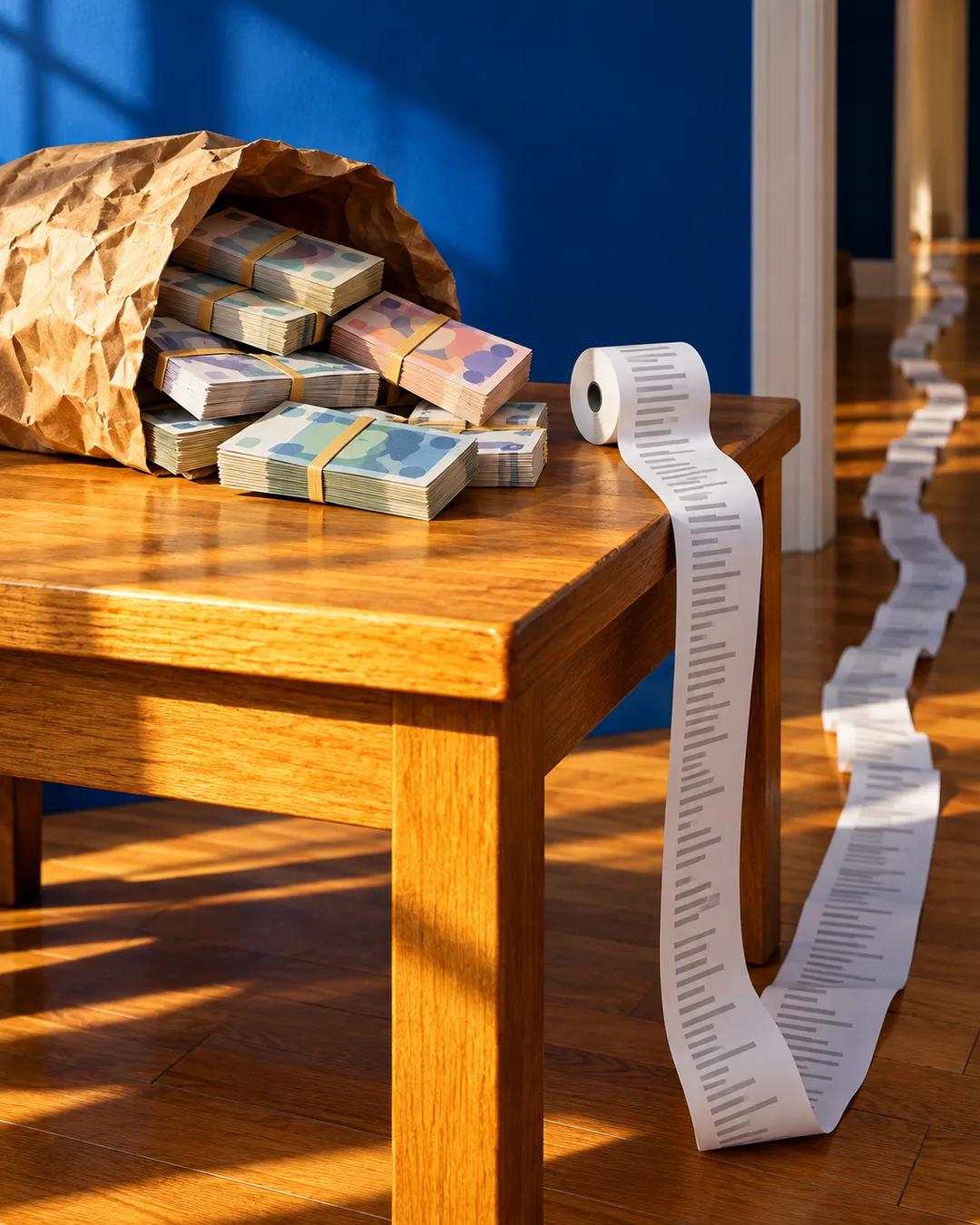
Cash hides criminals better than blockchain

Cash versus the chain
A common reaction to blockchain is that it lets criminals skip the intermediary who could spot them. That is true, but cash does it better. At least a trillion dollars of physical cash sits outside the United States, largely used for illicit activity, though it also serves people who can't get bank accounts.
Tracing the ledger
On a blockchain, every transaction can be tracked for all of history. Law enforcement has been able to go back and trace criminals through it. As agents became familiar with the technology, they concluded it was better than the current system because they can audit the chain.
New risks, new tools
Blockchain creates new risk vectors and new tools at the same time. It is better than the electronic system and better than the physical one, and on balance probably better than what came before, even though it didn't feel that way intuitively.
Why is physical cash so hard to trace?
A banknote is a bearer instrument, meaning whoever holds it owns it, and no institution records the handoff. Each bill has a serial number, but nothing connects those numbers to the people who pass them along. Cash payments leave no account history for an investigator to request. A blockchain does the opposite, since every transfer stays on a public ledger that anyone can read.
How do investigators trace blockchain transactions?
Analysts group addresses that appear to be controlled by the same party and follow coins from one group to the next on the public ledger. When coins reach an exchange that verifies customer identities, that exchange's records can name the owner. In June 2021, the US Department of Justice announced it had recovered about 63.7 bitcoin, worth roughly 2.3 million dollars, of the ransom paid after the Colonial Pipeline attack. Firms such as Chainalysis, founded in 2014, sell this kind of analysis to government agencies.
Why does so much dollar cash sit abroad?
The Federal Reserve has estimated that roughly half or more of US currency, and an even larger share of 100-dollar notes, circulates outside the United States. In countries with unstable currencies, dollars serve as a store of value and a unit for large purchases. Hundred-dollar notes make up the largest share of all US currency by value.
More from Joys of Compounding