Korva is a scroll of the internet’s best ideas.
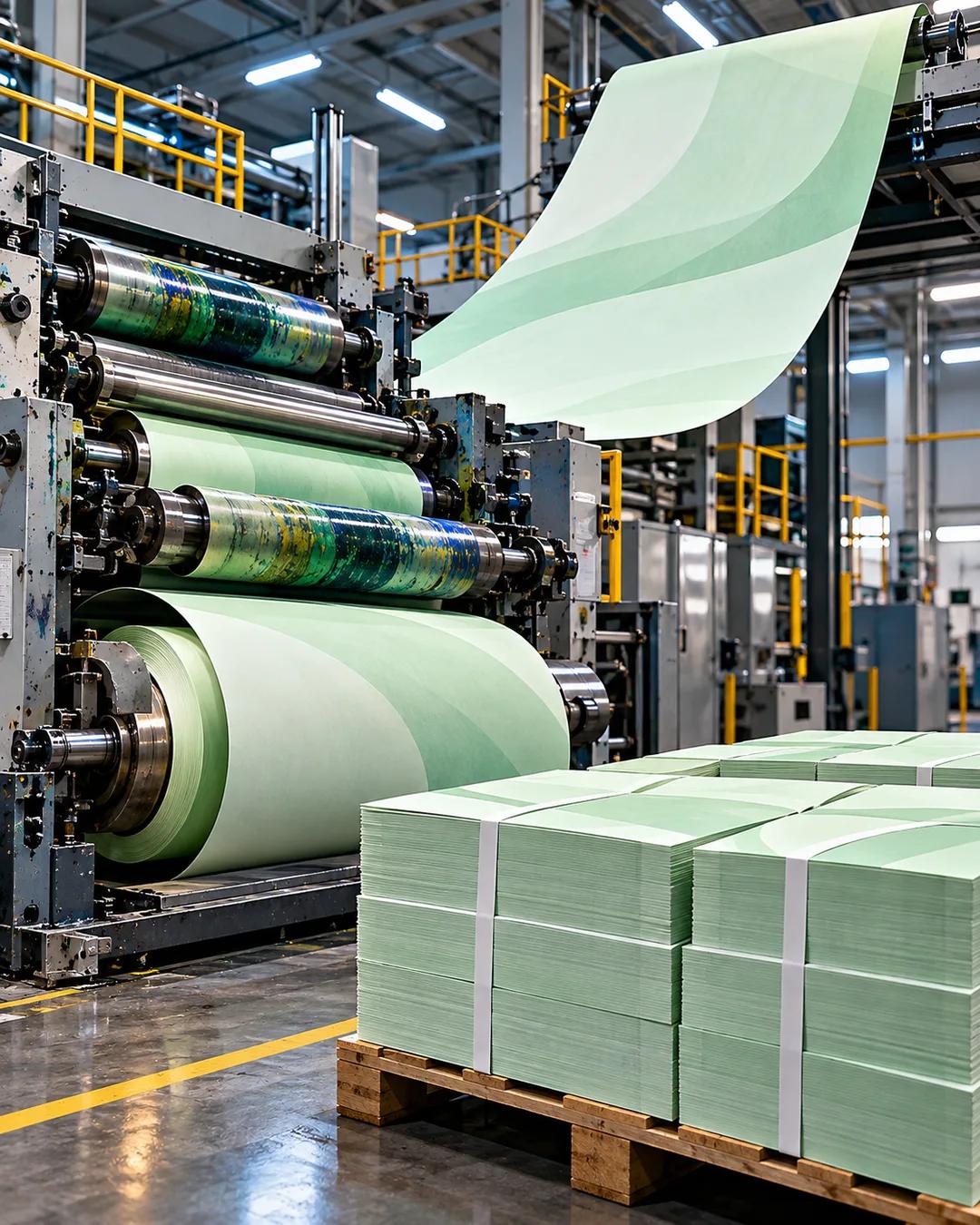
Central banks print, governments spend
Printing at zero rates
Most of what people thought was money was actually credit, so when credit disappears people don't have enough money. With interest rates already near 0, the central bank is forced to print, and it uses the new money to buy financial assets and government bonds. It happened in the United States during the Great Depression and again in 2008, when the Federal Reserve printed over two trillion dollars. Other central banks that could printed a lot too.
Who it helps
Buying financial assets drives up asset prices, which makes people more creditworthy, but it only helps those who own financial assets.
Government as spender
The government can put money in people's hands through stimulus programs and unemployment benefits. By buying government bonds, the central bank essentially lends the government money to run a deficit and spend on goods and services. That increases people's income as well as the government's debt, and it lowers the economy's total debt burden.
Why is the Fed limited to buying securities?
The Federal Reserve Act of 1913 limits the Fed's regular open market purchases to government and agency debt and certain other securities. It creates money by crediting banks' reserve accounts in exchange for those assets. Spending on roads, goods, or benefits requires an appropriation from Congress, which is why fiscal policy sits with elected officials.
Section 13(3) of the Act let the Fed lend more broadly during the 2008 and 2020 crises.
How does quantitative easing lift asset prices?
When the Fed buys bonds in bulk, it removes safe assets from the market and bids their prices up, which pushes yields down. Investors who sold those bonds look for returns elsewhere, in corporate bonds, mortgages, and stocks, and that raises prices there too.
Economists call this the portfolio balance channel.
How did the Fed finance World War II?
During the war the Fed agreed to hold Treasury yields down, at about 3/8 of a percent on short-term bills and 2.5 percent on long-term bonds. That let the government borrow cheaply to pay for the war.
The pegs lasted until the Treasury-Fed Accord of 1951, which restored the Fed's freedom to set monetary policy.
More from Principles by Ray Dalio