Korva is a scroll of the internet’s best ideas.
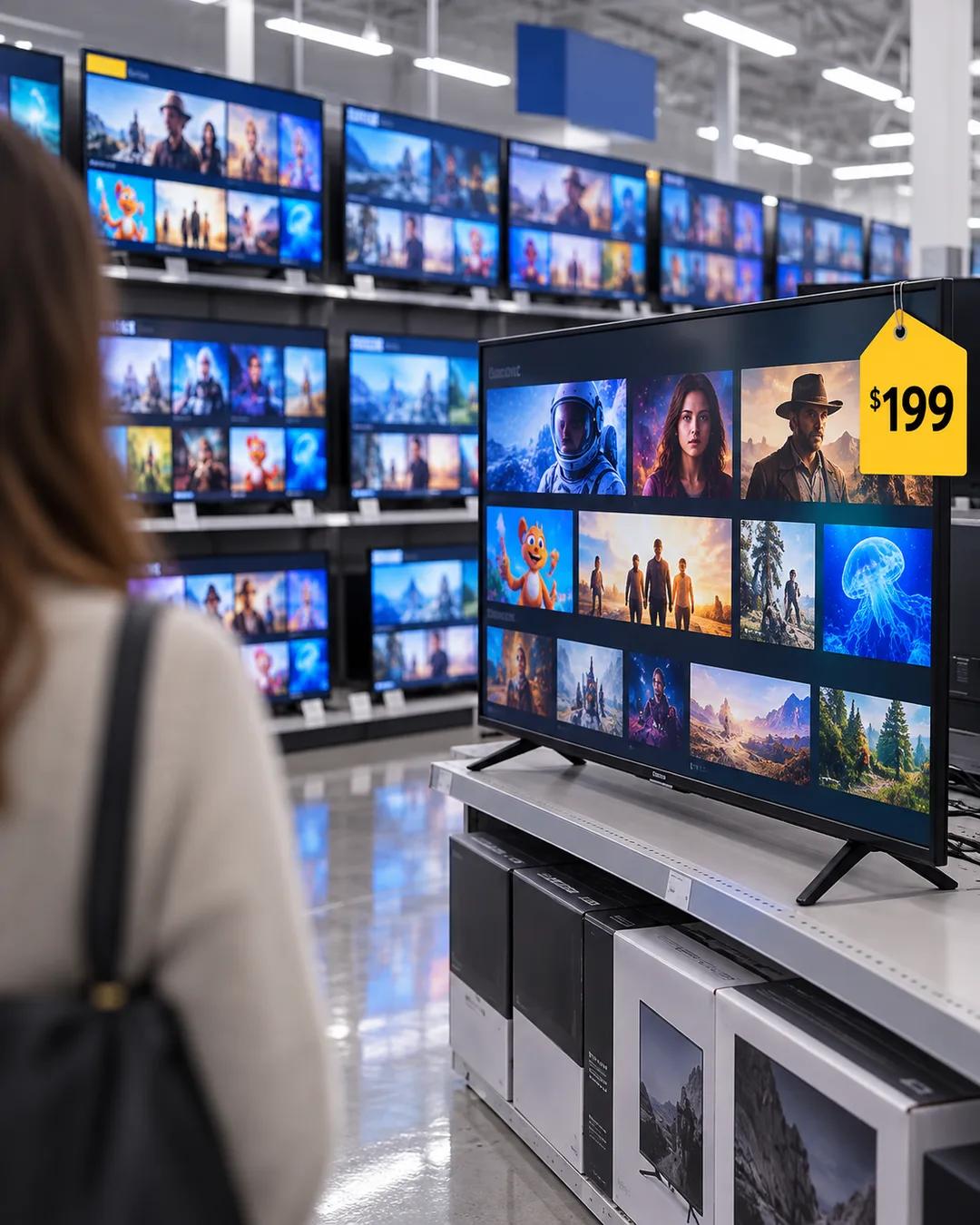
Cheap TVs are subsidized by your data

Many smart TVs have built-in screen capture technology that works out what the owner is watching and when, so the manufacturer learns the owner's preferences. Some people are even starting to connect cameras to TVs.
Whenever a company can extract a data stream, the stream can subsidize the product. In a competitive market with many vendors, a company that finds another way to monetize the customer can cut the price.
Grocery loyalty programs work on the same trade: a discount in exchange for data. The store gets a phone number, an email address, and sometimes a home address, packages the information, and sells it. The pitch to Coke is a consumer who bought Coke, and the pitch to Tyson is someone who likes turkey.
How does a TV know what's on screen?
The feature is called automatic content recognition. The TV takes a small sample of the picture or sound many times a minute, reduces it to a compact fingerprint, and sends it to a server that matches it against a database of known programs and ads. The match tells the manufacturer what was on, even when the source is a game console or cable box connected through an HDMI port. Because the fingerprint comes from the screen itself, it works regardless of the input.
Why can a TV sell for so little?
Hardware makers have long sold devices at slim margins and earned money from what happens afterward, a model sometimes called razor and blade. For smart TVs, the later revenue comes from ads on the home screen, promotional placement for streaming apps, and sales of viewing data to advertisers. Display panels have also fallen sharply in price over two decades as factory capacity in Asia expanded.
More from Shawn Ryan Show