Korva is a scroll of the internet’s best ideas.
Chickens are now four times bigger

The Chicken of Tomorrow
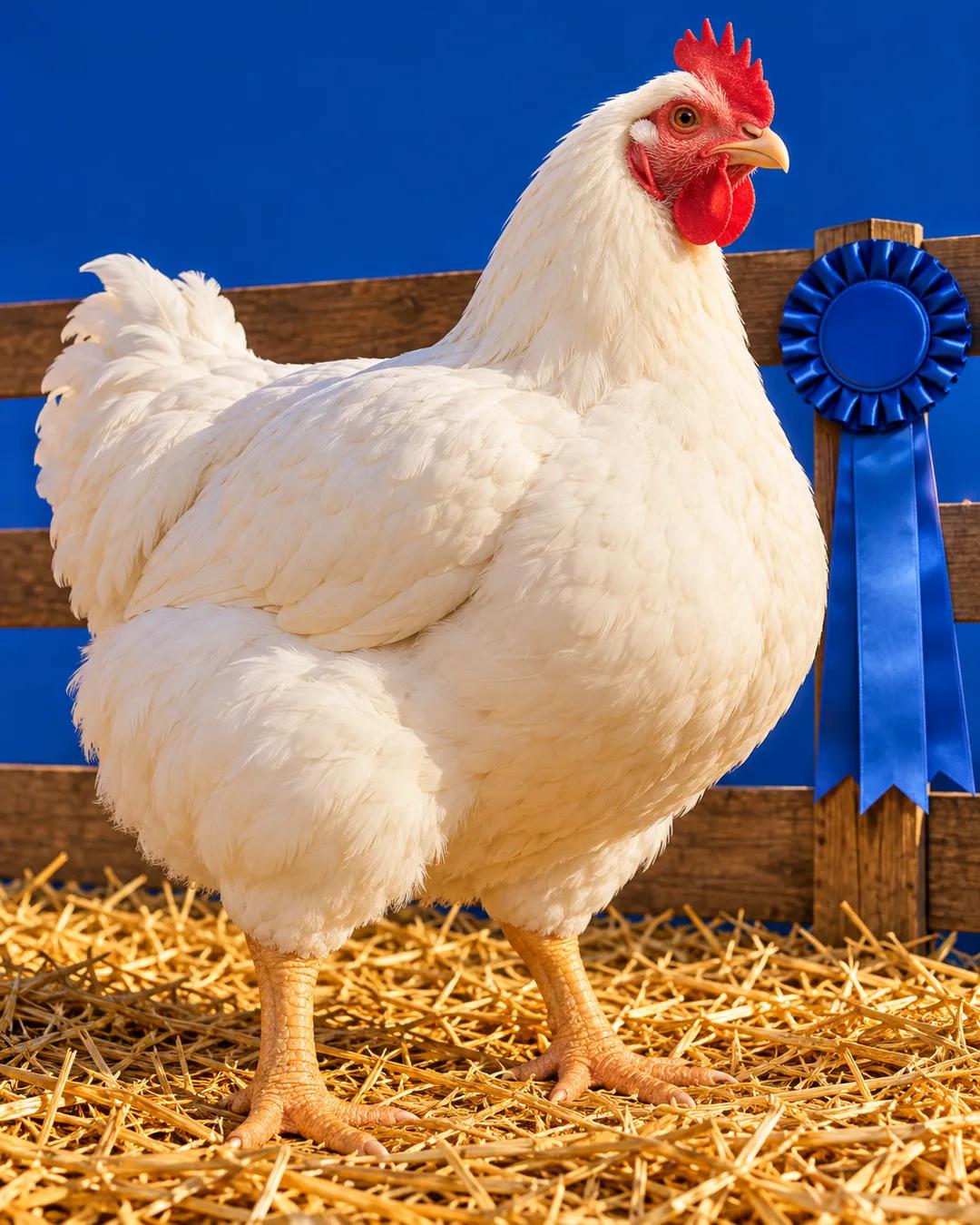
It was called the Chicken of Tomorrow, and it changed chickens forever. The contest's success proved that chickens could be bred with superior meat characteristics. They have changed so quickly since that they are now four times the size they were in the 1950s.
From jungle bird to billions
Chickens were first domesticated over 8,000 years ago, and major efforts to create a super breed came only in the 1940s. The bird began as a small wild jungle bird in Southeast Asia. Today there are 23 billion chickens at any given time, ten times more than any other bird, which makes them the most populous bird on the planet.
A controlled life
The life of a broiler, a chicken bred purely for its meat, is now entirely preordained. It grows faster and bigger than ever before, and it can live only with human technology supporting it: artificial light, artificial temperature, a whole life controlled from start to finish.
How did a grocery chain end up running a breeding contest?
The A&P grocery chain sponsored the Chicken of Tomorrow program with backing from the US Department of Agriculture. Chicken was a minor part of the American diet before the 1940s, and the chain wanted a bird with a broad breast, plump drumsticks, and quick growth that it could sell in volume. Regional contests ran in the late 1940s, and national finals took place in 1948 and 1951. Most of today's commercial broilers descend from crosses between Cornish and White Plymouth Rock lines.
How can a chicken grow four times faster in decades?
Chickens reach breeding age within months, so breeders can select the fastest growers and meatiest birds generation after generation. A 2014 study in the journal Poultry Science, led by Martin Zuidhof at the University of Alberta, raised broiler strains from 1957, 1978, and 2005 on the same modern diet. The 2005 strain reached about 4,200 grams at 56 days, while the 1957 strain reached about 905 grams. Gains in feed efficiency and breast meat yield came alongside the faster growth.
Where did the first chickens come from?
Domestic chickens descend mainly from the red junglefowl, a forest bird native to South and Southeast Asia. A 2020 genomic study in the journal Cell Research found that the subspecies Gallus gallus spadiceus, found in southwestern China, northern Thailand, and Myanmar, contributed the largest share of domestic chicken ancestry. Early chickens were kept for cockfighting and ritual use before meat and eggs became their main purpose. Archaeologists find chicken bones in food refuse only in later settlements.
More from The Economist