Korva is a scroll of the internet’s best ideas.
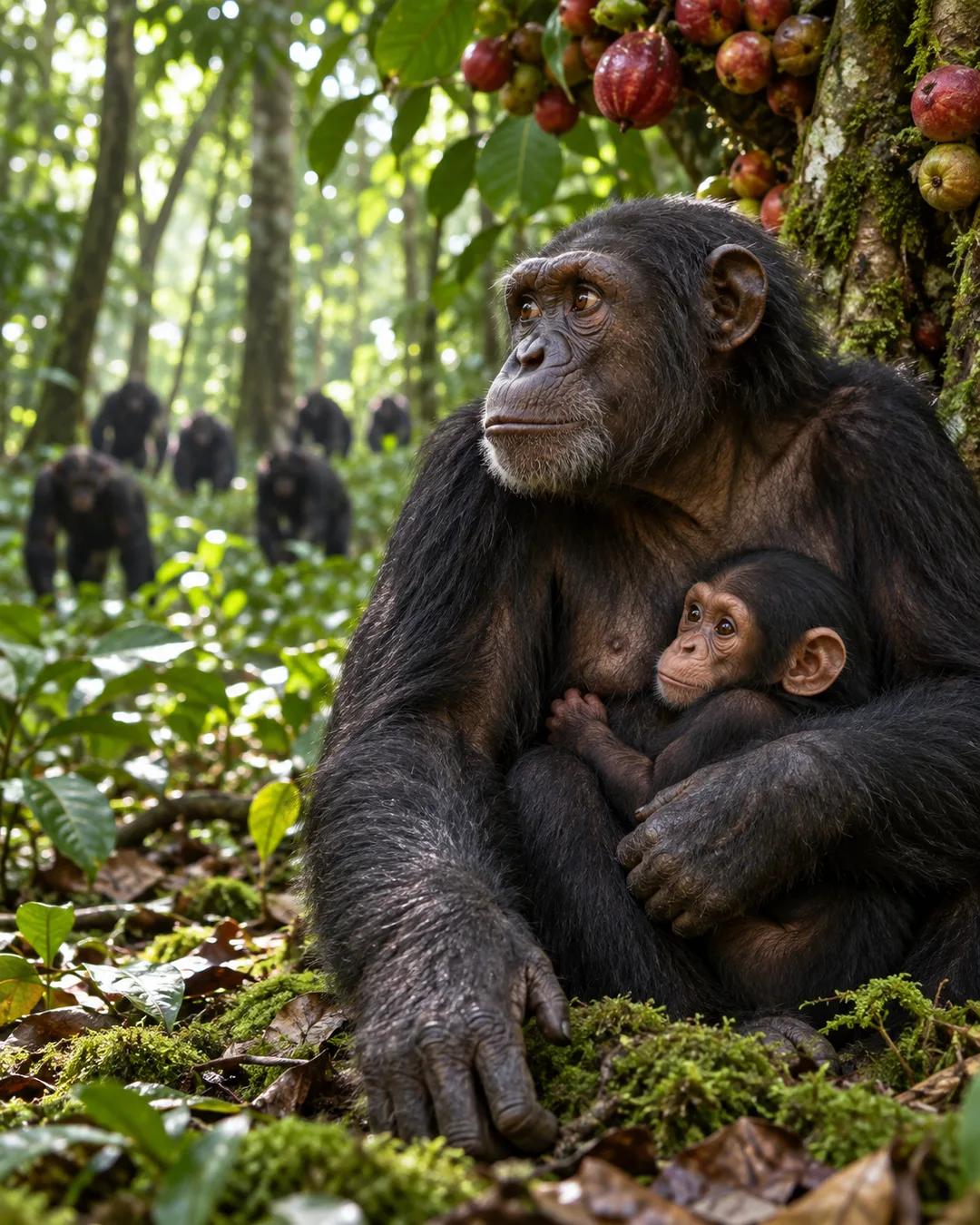
Chimps nurture kids, kill rivals

Chimp Empire
A four-episode series on Netflix called Chimp Empire follows a chimpanzee colony with no human beings in it, and the chimpanzees have been given names. They live in village-like communities and are very tribal. Chetan Bhagat recommends it to anyone who wants to understand what people are about.
Gentle And Violent
Humans share 99% of their DNA with chimpanzees. A chimp is gentle with its own kids, and when a rival tribe arrives, it will murder. It looks senseless from outside, but this is mine and that is theirs. Religion wars, caste, and the conflict between Iran and the US look the same to an observer who asks why they are killing each other.
A Built-In Contradiction
People are wired to find safety in their own kind and to be tribal, even in 2026, even with AI. The same human being is capable of extreme kindness and extreme love, and of cruelty. That contradiction is built in, and what is in vogue goes through phases.
Why do chimpanzees attack rival groups?
Primatologist Jane Goodall documented a conflict at Gombe in Tanzania during the 1970s in which one chimpanzee community systematically attacked a splinter group. Males defend a shared territory, and a larger territory means more food and more access to mates. Research by John Mitani and colleagues at Ngogo in Uganda's Kibale National Park found that a community expanded its territory after lethal attacks on neighbors.
Why do humans and chimps share so much DNA?
Humans and chimpanzees descend from a common ancestor that lived roughly six to eight million years ago. Since then their lineages have accumulated only small genetic differences. The chimpanzee genome, sequenced in 2005, showed that the two species differ by only a few percent at most, depending on how insertions and deletions are counted. Chimpanzees and bonobos are humans' closest living relatives.
How do chimps recognize outsiders?
Chimpanzee males patrol the edges of their territory in groups, listening for signs of neighbors. Playback experiments at Gombe, in which researchers broadcast the calls of unfamiliar chimpanzees, showed that parties weigh the number of males on their own side before approaching the sound. Communities also develop their own styles of calls and behaviors.
More from Tomorrow, Today