Korva is a scroll of the internet’s best ideas.
China outbuilds America 230 to 1

How the gap opened
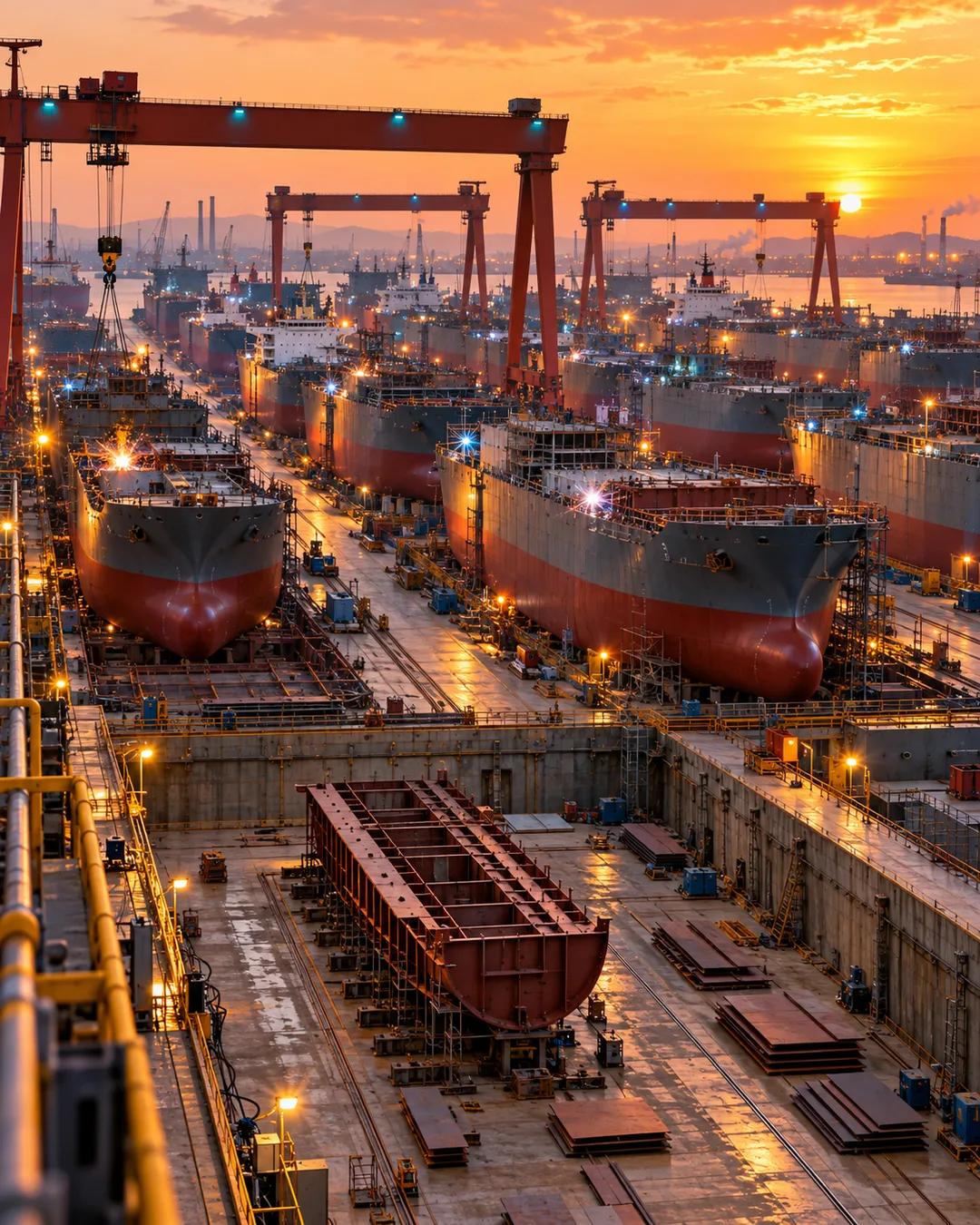
Thirty years ago, China held 5% of the world's shipbuilding capacity. Today it holds 57%, and the share keeps climbing because the Chinese Communist Party subsidizes the whole industry, from the direct cost of building to raw materials and labor. Chinese yards undercut the commercial market on price: the same ship costs five to six times as much to build in the United States, so the orders keep going to China.
The navies
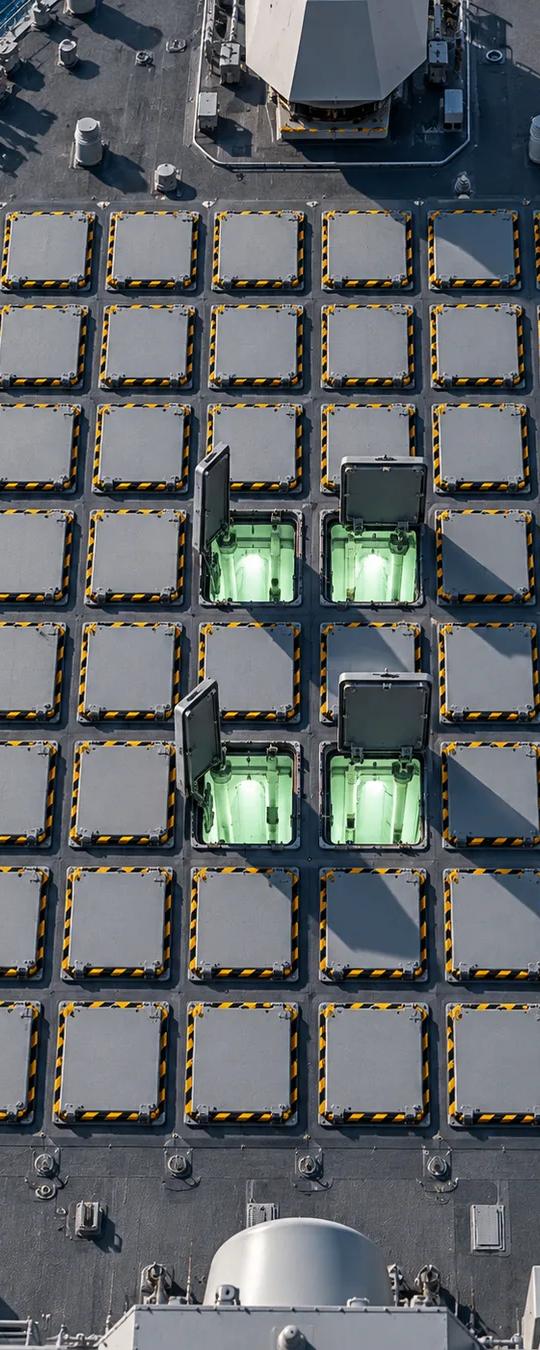
The navies show the same gap. The US fleet stands at 296 ships against a statutory minimum of 355 that Congress set in 2018. Last year the US built nine ships and retired 19. China delivered around 30 ships, and its fleet of about 370 is on its way to 450. Thirty years ago the Chinese Navy was a littoral backwater, and today it has nuclear submarines, aircraft carriers, and hypersonic missiles.
Commercial ships
The commercial side is wider still. China delivered over 1,000 commercial ships last year, and the United States built five. In a conflict, that commercial capacity flips to defense work, the way American yards produced thousands of vessels a year in World War II.
How did Asia take over shipbuilding?
Japan overtook Britain as the world's largest shipbuilder in the mid-1950s, using welded block construction, large yards, and government-supported finance. South Korea followed in the 1970s, when Hyundai opened its Ulsan yard in 1972. China rose later, and industry tracker Clarksons Research has reported it passing South Korea in annual output around 2010. Each of these countries built its lead on commercial orders before turning to naval work.
How did wartime yards build ships so fast?
The Liberty ship program built 2,710 cargo ships between 1941 and 1945 at 18 American yards. Henry Kaiser's yards in Richmond, California, replaced riveting with welding and assembled ships from prefabricated sections. The average build time fell to about 42 days, and one Liberty ship, the Robert E. Peary, was completed in just over four days in 1942 as a demonstration. Those figures come from the US Maritime Commission's records.
Why does US law shape who builds its ships?
The Jones Act requires that ships carrying cargo between American ports be built in the United States, flagged in the United States, and crewed by Americans. That rule keeps foreign yards out of that trade and has been the main commercial market for American shipbuilders. The law's text dates to the Merchant Marine Act of 1920.
More from All-In with Chamath, Jason, Sacks & Friedberg