Korva is a scroll of the internet’s best ideas.
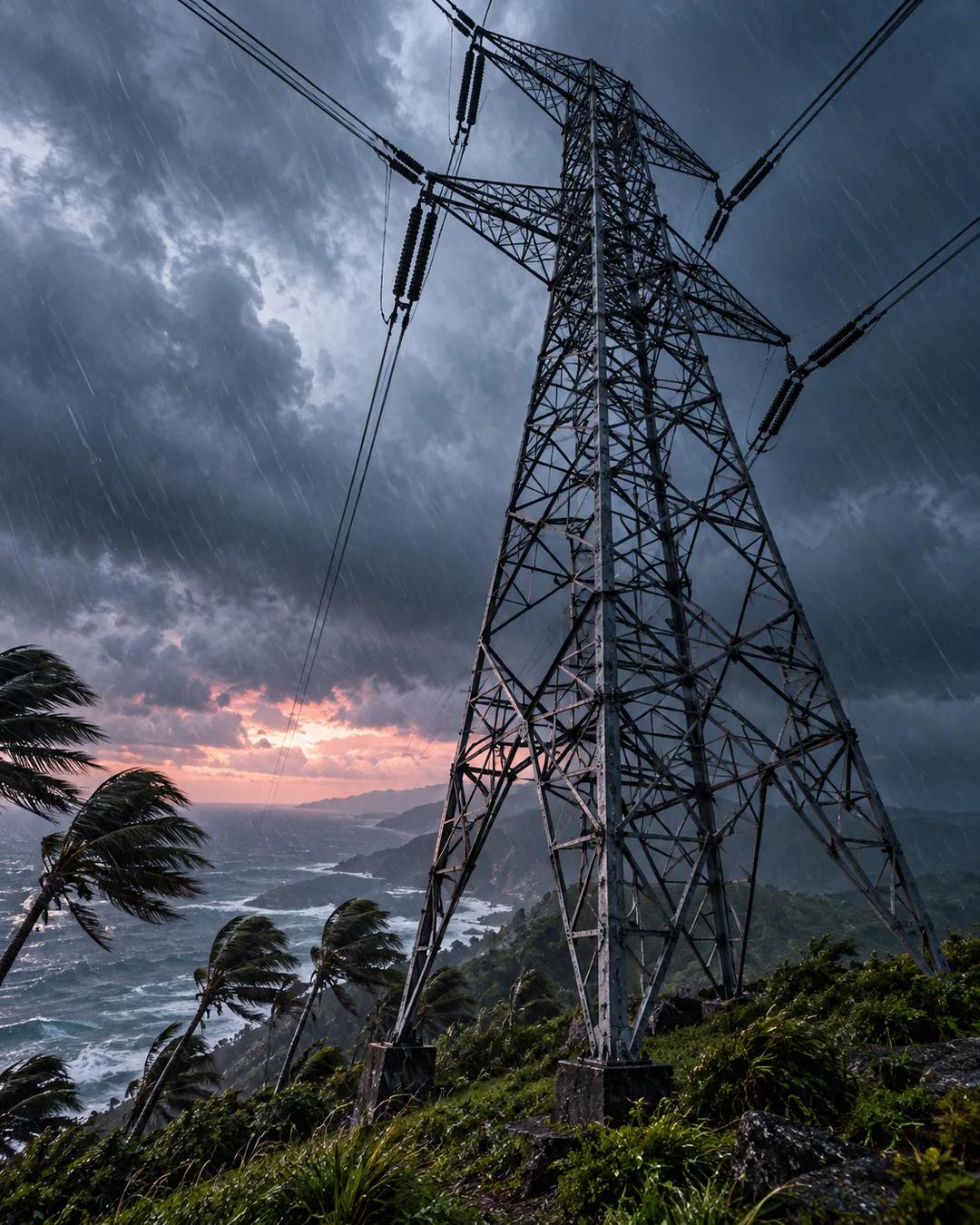
China's grid was built for typhoons

China is the biggest producer of electricity in the world and has an enormous amount of self-sufficiency in electric production. Much of its renewable generation sits further inland, in the western parts of the country.
An ultra-high-voltage grid carries that electricity from the west to the east and the coastal regions. Engineers designed the grid with a level of typhoon resistance built in.
Why does high voltage waste less power?
Power lost as heat in a wire grows with the square of the current, so sending the same power at higher voltage and lower current wastes far less. Ultra-high-voltage lines run at 800 kilovolts direct current or 1,000 kilovolts alternating current. China's State Grid brought its first 1,000-kilovolt alternating current line into service in 2009, linking Shanxi to Hubei.
Why is China's renewable power far from the coast?
The strongest winds and sunniest land are in regions such as Inner Mongolia, Xinjiang, Gansu, and Qinghai, while the biggest electricity demand is in the eastern cities. Moving power across that gap takes lines thousands of kilometers long. The Zhundong to Wannan line, finished in 2019, runs about 3,300 kilometers from Xinjiang to Anhui at 1,100 kilovolts.
How do power lines survive typhoon winds?
Transmission tower design standards assign each region a reference wind speed, and coastal areas that typhoons cross are given higher design wind loads. Steel lattice towers let wind pass through their open frames, which reduces the force on them. Engineers also adjust spans and foundations to local wind and soil conditions.
More from The Prof G Pod with Scott Galloway