Korva is a scroll of the internet’s best ideas.

Soaring memory prices
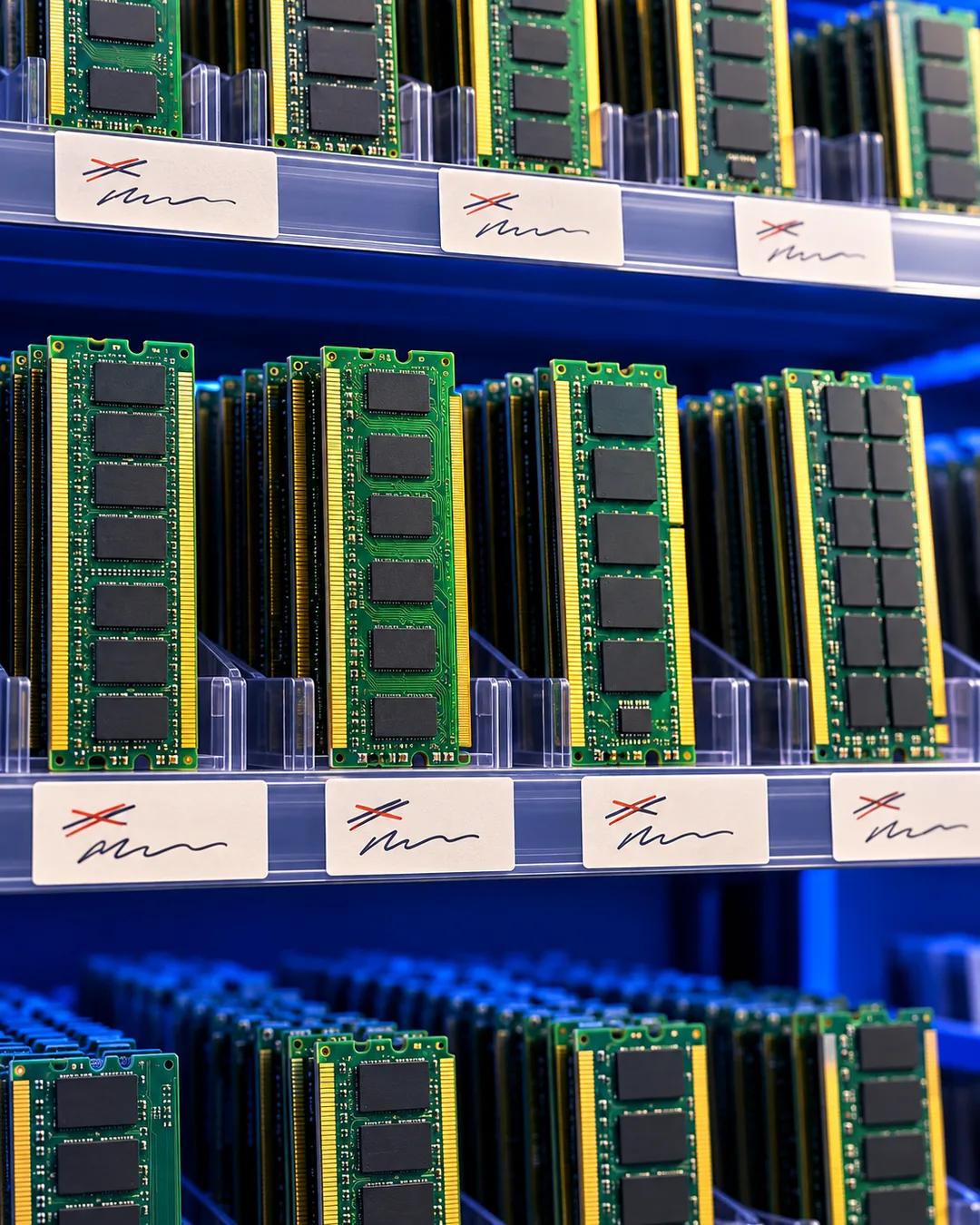
Memory chip prices have gone up four and fivefold over the last year. Only three big memory companies exist, including Micron, Samsung, and SK Hynix in Korea, and demand from AI data centers is pushing their prices up. The increase shows up in every laptop, every iPhone, and even automobiles, which carry memory chips.
Margins the boom relies on
Profit margins at many tech companies run from 50 to 80%, and the memory companies and Nvidia are in the 70 to 80% range. Those margins are what the chip companies and data center builders are betting on as they rush to build new factories, plants, and laboratories.
If it turns
If the revenues and profits turn out not to be there, gross margins collapse at these companies, and the effects spill into private credit and into the neocloud companies that lease and buy the chips. Which companies carry the most leverage decides which ones retrench and which ones go into bankruptcy.
Why do only three companies make memory?
A modern memory factory costs billions of dollars to build, so only firms with deep pockets can stay in the business. Memory prices have also crashed repeatedly, which pushed weaker makers out. Germany's Qimonda went bankrupt in 2009, and Japan's Elpida was bought by Micron in 2013. What remains is Samsung, SK Hynix, and Micron, which together make the great majority of the world's DRAM.
Why does AI use so much memory?
AI chips need to read huge amounts of data very quickly, so they sit beside stacks of high-bandwidth memory. That memory is built by stacking several DRAM chips vertically, and it uses more silicon wafer per unit of storage than ordinary memory. Wafer capacity that goes to it is not available for phone and laptop memory. SK Hynix, Samsung, and Micron are the three producers of high-bandwidth memory.
Why do memory prices swing so hard?
Memory is close to a commodity, so buyers choose mostly on price. A new factory takes years to build, but demand can jump within months. When demand outruns supply, prices spike, and when many makers expand at once, prices collapse. Memory has run through boom and bust cycles like this since the 1980s.
More from Freakonomics Radio Network