Korva is a scroll of the internet’s best ideas.

The Hormuz lesson
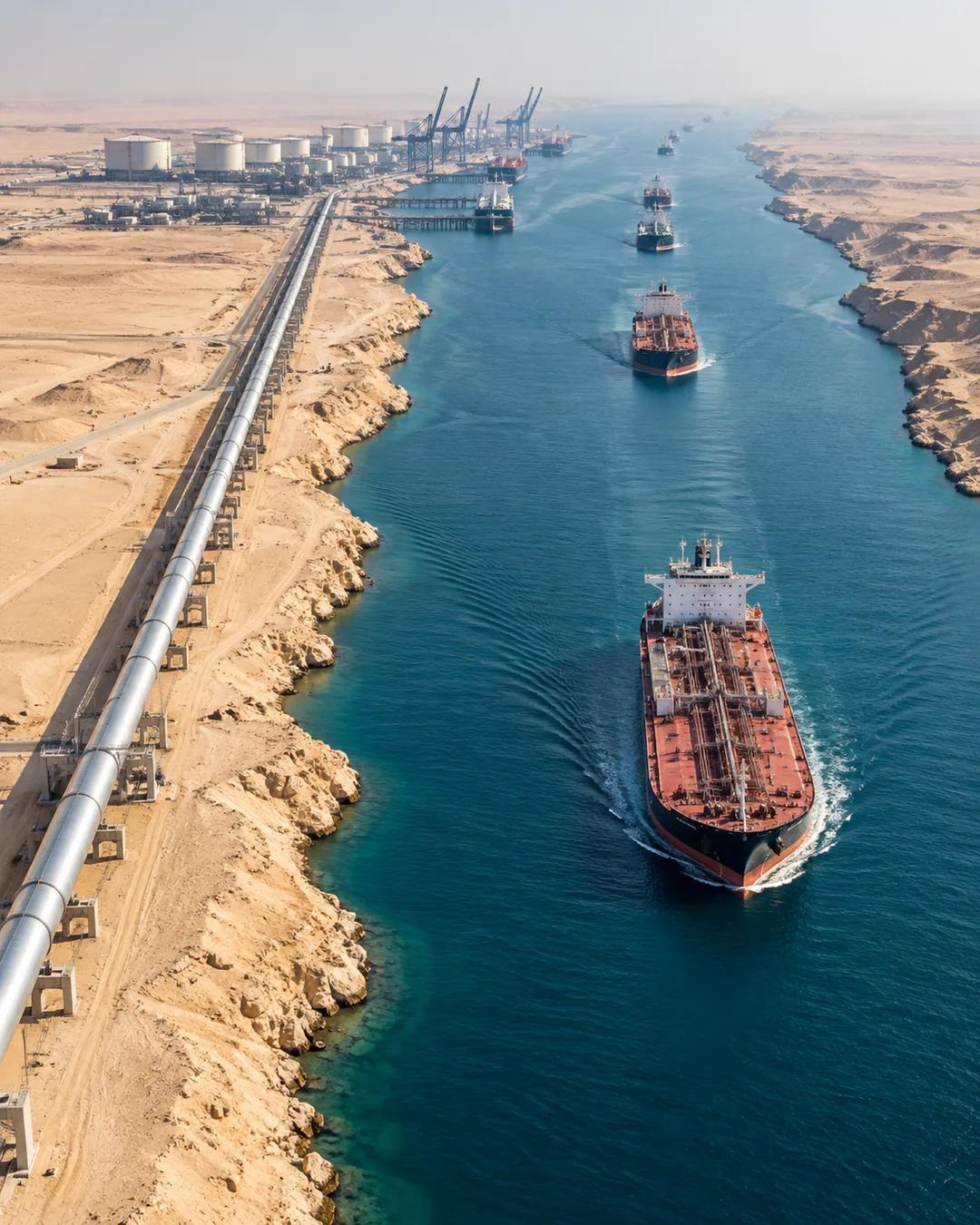
Iran closed the Strait of Hormuz, and it worked. The UAE and Saudi Arabia are going to build pipelines and new ports, and they won't let it happen again. If Iran tried to close the strait in 2035, it would have no effect, because the world will have been built around it.
Memory's target
Memory makers may have done the same thing to themselves. By creating such a massive target on their back, they gave everyone a reason to route around them. Apple is lobbying to get Chinese memory, and the number one focus of algorithmic changes is how to use less memory.
TSMC's exposure
TSMC is arguably worse off, because there is only one company on the leading edge. Intel and Samsung are trying to get there. Because TSMC didn't invest over the last few years, the shortages are so acute that big tech companies will go through the pain of working with alternatives. It is the cure for high prices is high prices thing.
Why does using a chokepoint backfire later?
Users who have been squeezed spend money to avoid the route. When the Suez Canal closed from 1967 to 1975, oil shipping went around the Cape of Good Hope, and tanker owners built far larger ships to make the longer trip pay. Those ships stayed in use after the canal reopened.
How can pipelines bypass the Strait of Hormuz?
Saudi Arabia's East-West pipeline carries crude across the country to the Red Sea port of Yanbu. The UAE has a pipeline from its Habshan fields to Fujairah, a port outside the strait. Both routes put oil on tankers without passing through Hormuz.
Why do high prices cure high prices?
High prices raise profits, which draws new supply, and they push buyers toward substitutes and efficiency. After the 1973 oil embargo, the US adopted fuel economy standards in 1975, and new oil fields were developed in Alaska and the North Sea. Demand and supply adjusted until prices came down.
More from Invest Like the Best with Patrick O'Shaughnessy