Korva is a scroll of the internet’s best ideas.
Churchill offered a united Ireland

Churchill's telegram
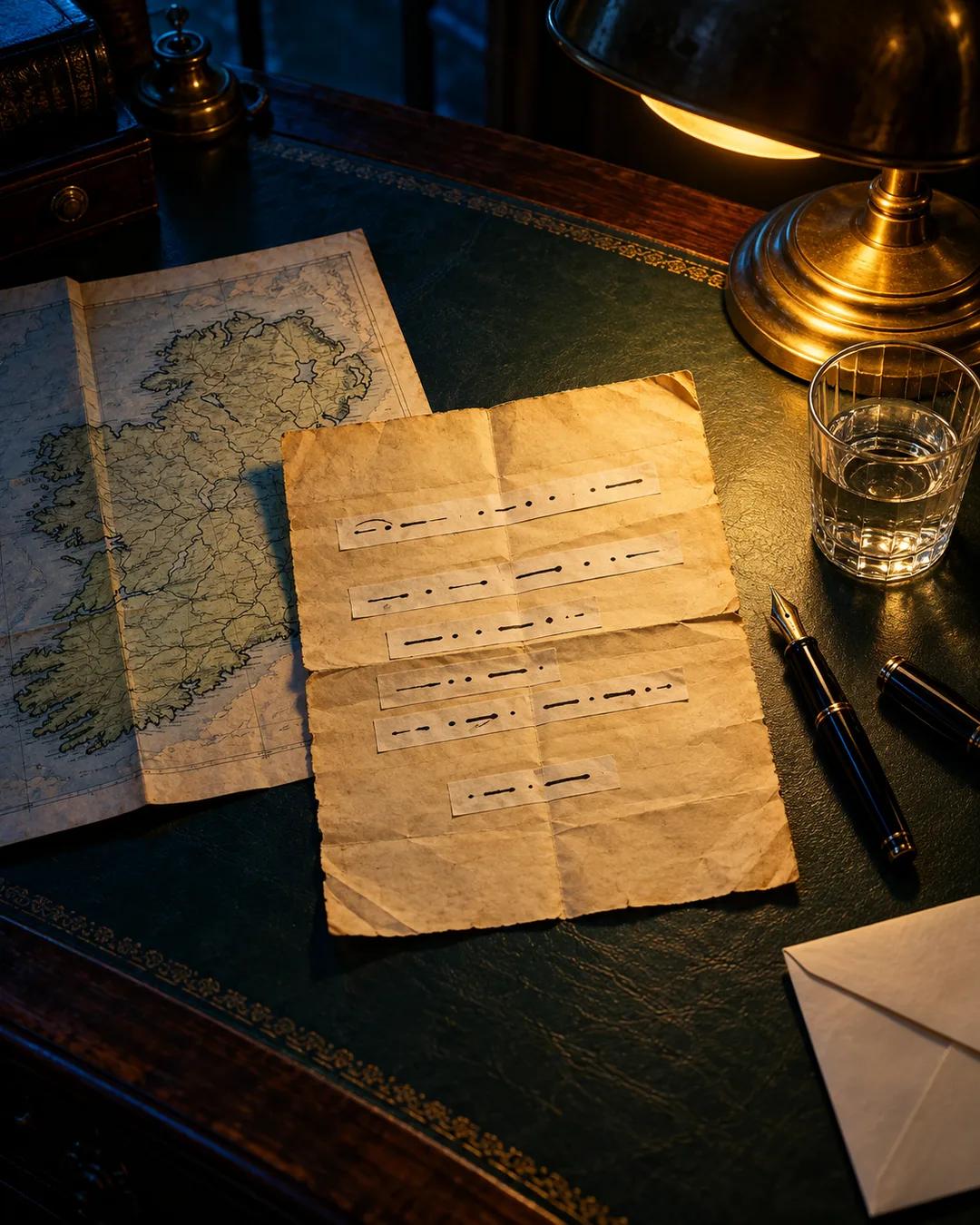
After Pearl Harbor in 1941, Winston Churchill sent Eamon de Valera a telegram: now is your chance, now or never, a nation once again. A nation once again is a Republican slogan, and Churchill was using it. De Valera ignored him completely, because he did not want to give up Irish neutrality.
Why Dublin said no
Dublin had a second reason for turning it down. A politician there does not really want one million Protestants who have a tendency to sign covenants and join volunteer groups to fight him. In theory the Republic claims the whole island, and Article 2 of its constitution defines the national territory as the whole island of Ireland. Irish politicians, when asked, would always say their goal was unification. Since the 1920s, though, governments in Dublin have shown no interest in advancing it.
Lemass takes over
In 1959 de Valera retired as Taoiseach and became president, kicked upstairs. His successor was Sean Lemass, who had fought in the Easter Rising and had been in the IRA. In private, Lemass told people the island would stay partitioned for a long time yet and that there was no point whinging about it.
Why could Ireland refuse Churchill's offer?
Ireland was free to stay neutral partly because of a 1938 agreement between London and Dublin. Under it, Britain handed back three naval bases it had kept under the 1921 treaty: Berehaven, Cobh, and Lough Swilly. Churchill wanted those ports for the Atlantic convoys and complained bitterly about their loss. Even so, tens of thousands of Irish citizens volunteered for the British forces during the war.
What does Article 2 say today?
The 1937 constitution's Articles 2 and 3 claimed the whole island as the national territory. After the Good Friday Agreement of 1998, voters in the Republic approved new wording by referendum in May 1998. The amended articles, in force from December 1999, express a wish for unity by peaceful means and with the consent of a majority in both parts of the island. The territorial claim itself was removed.
How did Lemass change Ireland's direction?
Lemass became Taoiseach in 1959 and backed T. K. Whitaker's 1958 plan to open the economy to foreign investment and exports. That reversed decades of protectionism that had kept Irish industry behind high tariff walls. Ireland applied to join the European Economic Community in 1961 and finally became a member on 1 January 1973.
More from The Rest Is History