Korva is a scroll of the internet’s best ideas.

Compute that pays back in a year

How compute gets built
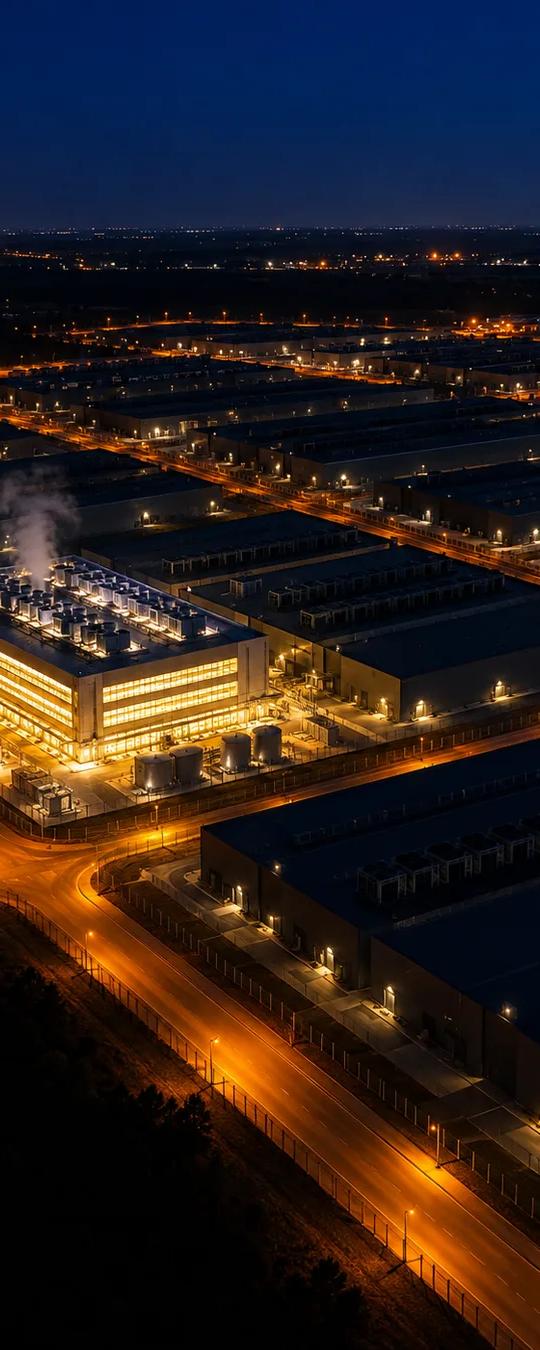
Most compute is contracted well before it is built. A typical cloud plans a gigawatt, or 100 megawatts, then has to find a customer, and takes that customer's signed commitment to the credit markets to raise the capital. Meta and SpaceX work differently. They have balance sheets that let them build without an end customer, so they hoard compute and keep the option to use it internally or sell it at a large margin to Anthropic and OpenAI.
Why the price rose
Anthropic makes more than $60 billion per gigawatt, which makes it able to pay far above the $13 million base cost, so SpaceX and Meta can rent out what they build at $25 million, $50 million, and more per megawatt. A price of $15 million would not have tempted SpaceX to sell. At $25 million and up it does. Nobody decided this price. The market figured itself out.
Paying for borrowed capacity
Anthropic will even pay 20% interest on borrowed money for capacity of its own, because that still beats renting from SpaceX at $50 billion a gigawatt.
Why do lenders want signed customer contracts?
A data center costs billions of dollars before it earns anything. A multi-year contract with a creditworthy customer gives lenders a predictable stream of payments to size a loan against. In project finance, the lease itself serves as the main collateral. Without one, the builder carries the full risk of an empty building.
Why can some companies build without a customer?
Companies with very large cash flows and strong credit ratings can borrow against their whole business rather than a single project. That lets them build first and decide later whether to use the capacity themselves or rent it out. Holding finished capacity is a form of option: it pays off most when demand rises above the cost of building.
How does a market settle on a price like this?
Buyers bid up scarce capacity until the marginal buyer decides it is no longer worth it, while sellers compare each offer with what the capacity earns in-house. When the best buyers earn far more per megawatt than it costs to build, the price rises toward their earnings. Economists call the surplus above the cost of production a scarcity rent.
More from Dwarkesh Podcast