Korva is a scroll of the internet’s best ideas.
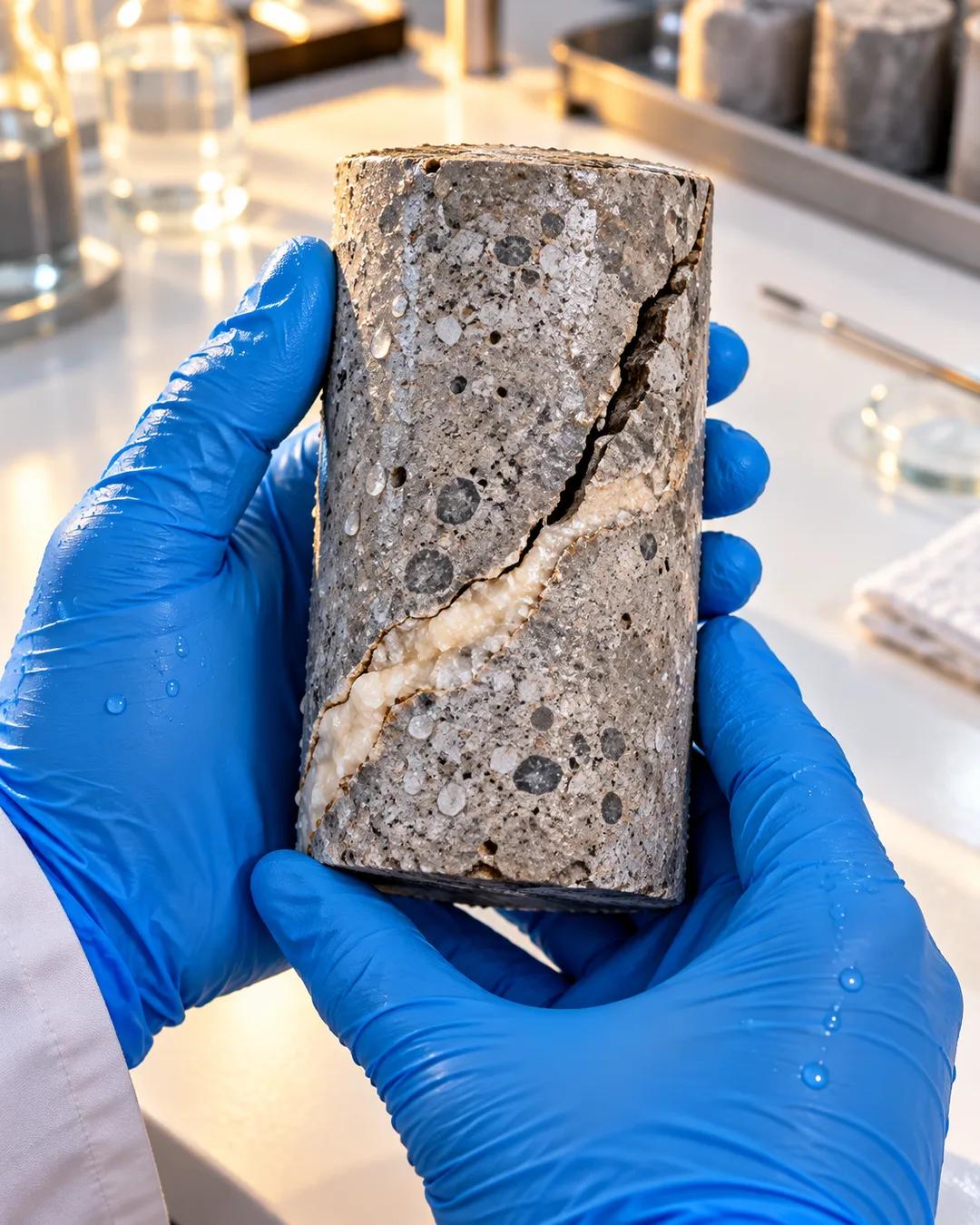
Concrete that heals with bacteria

Scientists mix spores of Bacillus bacteria into the concrete as it is poured, along with calcium lactate. The spores stay dormant until a crack forms and water enters. Then the bacteria wake up and feed on the calcium lactate, and the limestone they produce as a byproduct fills the crack from the inside out.
Other teams take different routes. Some use special aggregates filled with healing agents that are released only when the concrete cracks. Researchers at the University of Southern California made hollow particles that burst under stress and release materials that chemically seal the fissure. There is even concrete laced with conductive carbon fibers that detects damage through changes in electrical resistance, which gives it something like a nervous system.
Bacterial concrete can cost three to five times more than traditional concrete at first. It could last 100 to 200 years instead of 50, and counting maintenance savings and reduced environmental impact, the comparison shifts a great deal.
Why are Bacillus spores used in concrete?
Many Bacillus species form spores, a tough dormant state that survives drying, heat, and chemical stress. Concrete is a harsh place to live, with extreme alkalinity and little water, so ordinary bacteria would not make it through mixing and curing. Spores can sit inactive for years and begin growing when moisture and food arrive. Bacillus strains that tolerate alkaline conditions are the ones researchers typically pick.
How do bacteria turn food into limestone?
When the awakened bacteria metabolize calcium lactate, they produce carbon dioxide and water, and the calcium ends up bound to carbonate. The result is calcium carbonate, which is limestone. Because it forms right where the bacteria are growing, it deposits inside the crack rather than on the surface. Researchers at Delft University of Technology developed an early and well-known version of this approach.
How can concrete sense its own damage?
Carbon fibers conduct electricity, so a block of concrete mixed with them carries a small current along the fiber network. When a crack tears or stretches those fibers, the electrical resistance across the block changes. Sensors can read that change and flag where stress or damage has occurred. This property is called piezoresistivity, and it lets the material itself act as a strain gauge.