Korva is a scroll of the internet’s best ideas.
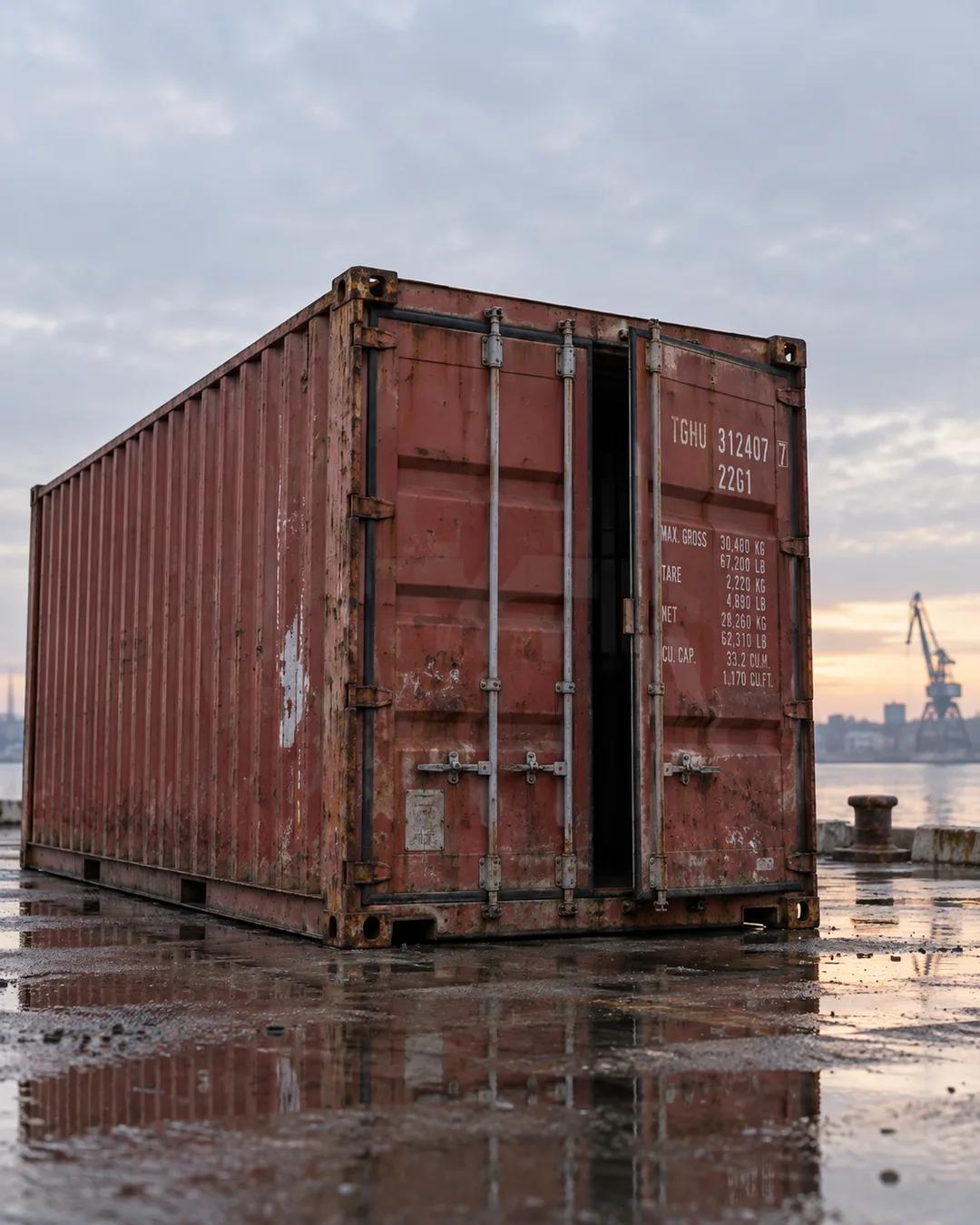
Containers made almost nobody rich

The first container ship
In 1956, McLean's company, soon to be known as Sealand, launched the first container ship, the Ideal X. His epiphany was that truckers, railroads, and shipping lines were all in the business of moving goods from shipper to destination, so freight should pass between them without being unloaded and reloaded. Longshoremen, politicians, port authorities, regulators, and railroads all stood to lose something, and most people thought he would never make it work.
Squeezing through the cracks
McLean squeezed through the cracks. He bought and retrofitted war surplus ships, worked the coastal shipping trade that the new interstates were killing, and set up in Newark, New Jersey, instead of Hell's Kitchen to win over the port authority and skip Manhattan congestion. The New York Longshoremen's Union made a deal with him because he was too small to look like a threat.
The rush and the payoff
Around 1965 it began to look like it would work, and every large shipping line piled in. Containerized freight was still under 1 percent of total trade in 1968, but capacity outran demand for years. A rate war squeezed profits, and consolidation and cartels followed. McLean sold Sealand to R.J. Reynolds in January 1969.
Shipping magnate Daniel Ludwig had put $8.5 million into McLean Industries at $8.50 per share in 1965 and sold in 1969 at $50. Shipbuilders and the contractors who built the container ports earned money too. R.J. Reynolds and the other companies that bought into container shipping in the late 1960s saw their investments bring little but disappointment.
How did a wartime tanker become the Ideal X?
The Ideal X was a World War II T2 tanker fitted with a steel platform over its deck to hold trailer-sized containers. On its first voyage in April 1956 it carried 58 of them from Newark to Houston. The United States had built hundreds of T2 tankers during the war and sold many afterward, so the hulls were cheap and easy to rebuild.
Why was Newark easier to use than Manhattan?
Manhattan's piers were narrow fingers of land hemmed in by city streets, with no room to stack and move steel boxes. Newark's waterfront had open, flat ground, and highways and rail lines ran close by. The Port Authority of New York and New Jersey ran both sides of the harbor and developed the neighboring Elizabeth terminals in the early 1960s.
How much cheaper did loading cargo become?
Before containers, loose cargo went aboard in sacks, crates, and barrels, handled piece by piece, and ships sat in port for days. A crane could lift a whole container in a single move. Marc Levinson's history The Box puts the cost of loading a ton of loose cargo in 1956 at about $5.86, against about 16 cents for a container.
More from Jerry Neumann