Korva is a scroll of the internet’s best ideas.
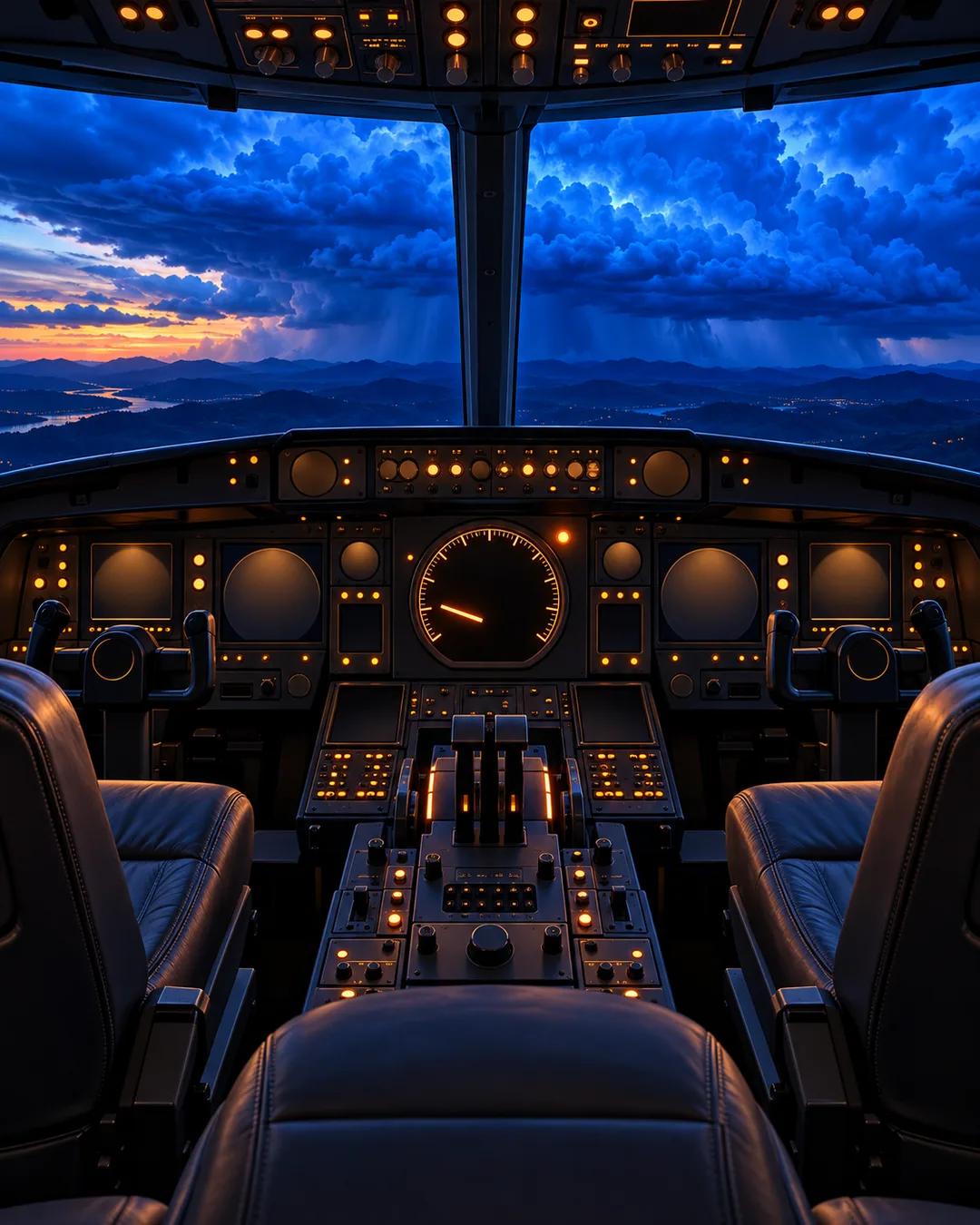
Crew hinted instead of warning

The pilot was the clear authority, and the other pilots and technicians had to defer to him. It was plain to the second and third in command that the plane was losing altitude and was on a collision course.
They indicated there was a problem, but they never blurted it out. There was no we're going to crash, no wake up and do something, and no request to take over the controls. The flight ended in tragedy.
The indirectness that smooths ordinary social life, with all its hints and innuendo, turns cruel and unjust when something has to be spelled out in so many words.
Why do junior crew members hint instead of speaking up?
Researchers Ute Fischer and Judith Orasanu studied this at NASA in the late 1990s, calling it mitigated speech. They had pilots read scenarios and judge how strongly different phrasings of a warning would work. Captains and first officers rated hints and suggestions as weaker than direct commands, but many junior officers still chose the softer forms. Hierarchy shapes how bluntly a person feels allowed to talk.
How did aviation change its cockpit culture?
A 1979 NASA workshop prompted by crashes in which crews failed to work as teams helped launch crew resource management training. The training teaches captains to invite input and teaches junior crew to state concerns plainly. Airlines worldwide adopted it over the following decades. After its own accidents in the 1990s, Korean Air brought in outside consultants and made English its cockpit language.
More from Hidden Brain