Korva is a scroll of the internet’s best ideas.
Values under pressure
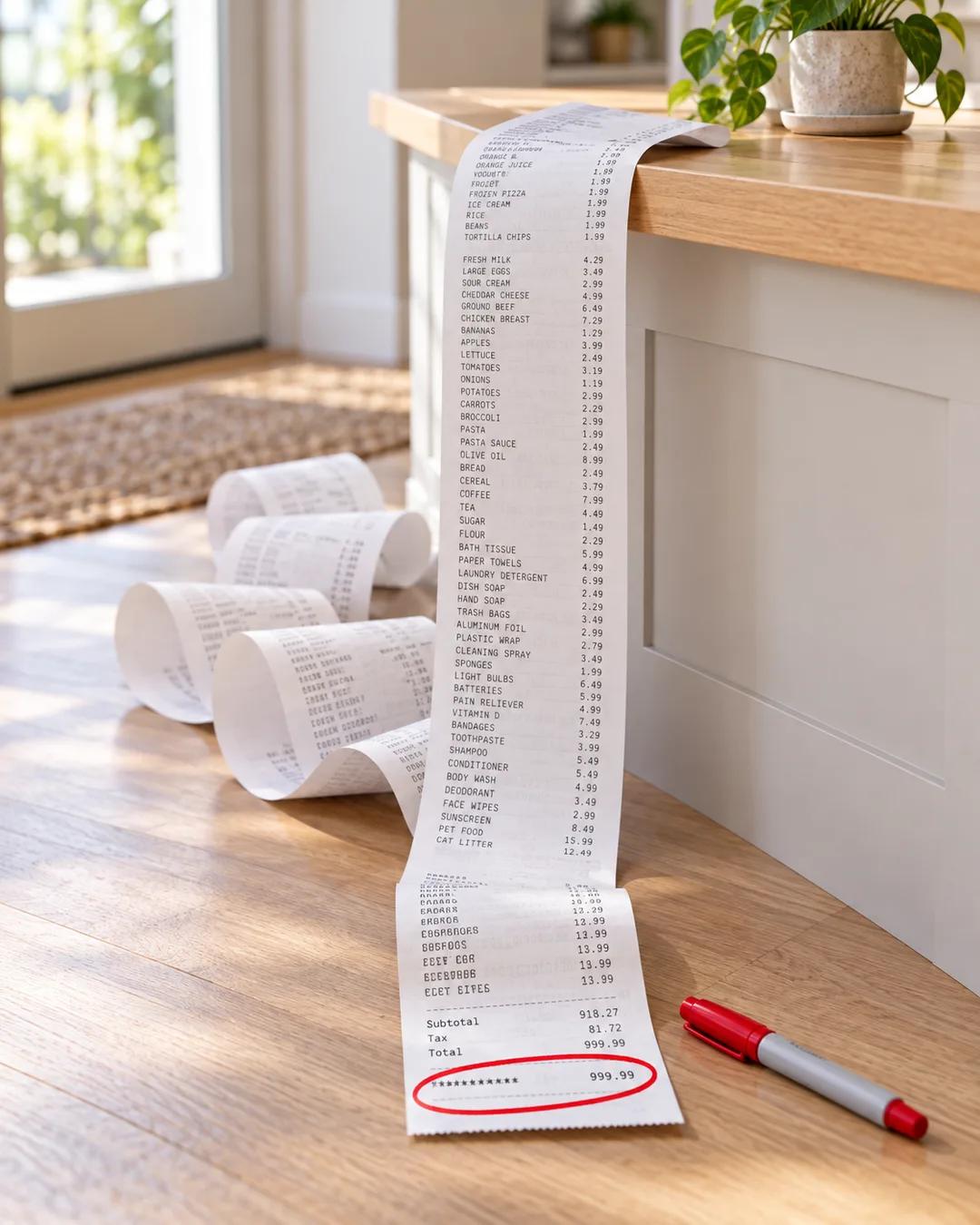
Values on the wall sound nice, and the question is whether the company executes them when it costs something. When a company sees itself making more money because it invented a new fee, short-term profit starts to beat the long-term relationship with customers.
What the AI debate misses
The AI debate rarely mentions customers. Most of the energy goes to using AI for efficiency and optimization, and much less goes to consumer obsession, which is where humans still beat the AI. The tech enthusiast is more enamored with the technology than with the consumer experience.
Amazon and Disney
Nubank's models for obsession were Amazon and Disney. Amazon showed how to build customer obsession, and Disney showed how to create a magic experience, even for a boring product like sending money. In the US, the welcome kit that arrives with a customer's first credit or debit card is meant to deliver that.
Why does short-term profit beat long-term trust?
A new fee shows up in this quarter's revenue, while the loss of customer goodwill spreads out over years and is hard to measure. Jeff Bezos wrote in Amazon's 1997 shareholder letter that the company would make decisions for the long term, and he reprinted the letter in later years. Hidden or surprise charges are sometimes called drip pricing, and the Federal Trade Commission has taken action against it in several industries. Companies that rely on repeat customers have the most to lose from it.
How did Disney design its guest experiences?
Walt Disney opened Disneyland in Anaheim, California, in 1955. Staff at the park are called cast members, and the park is organized as a stage, with front-of-house areas where guests are and backstage areas where they are not. Disney's designers, called Imagineers, plan the full path a guest takes, including smells, sounds, and queues. The company has taught this approach to outside businesses through its Disney Institute training program.
More from Invest Like the Best with Patrick O'Shaughnessy