Korva is a scroll of the internet’s best ideas.

Damaged vagus nerve loses its brakes
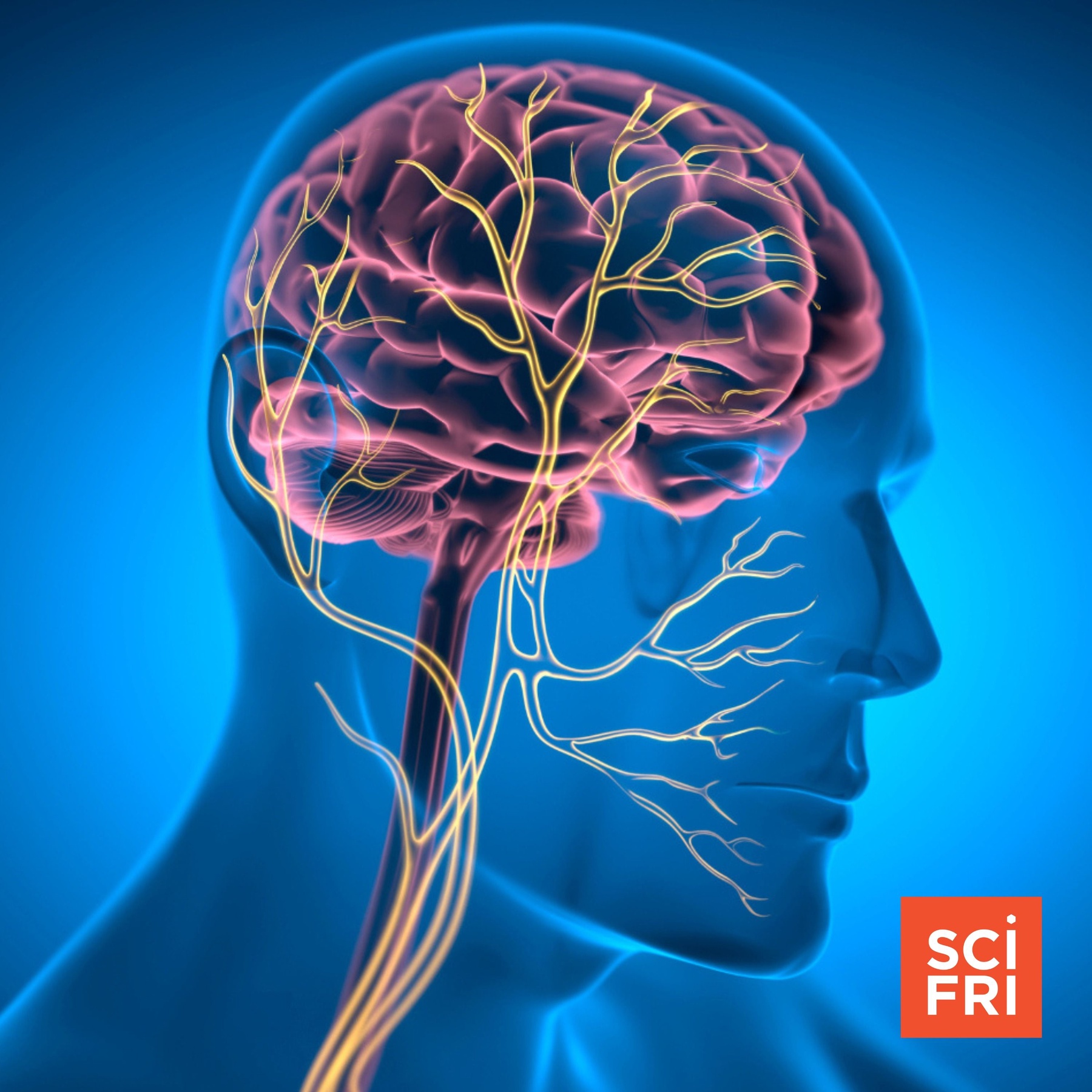
A damaged brake
If you damage the brakes on your car, you can't stop the car. If you damage the vagus nerve, excessive inflammation is allowed to occur, and excessive inflammation is one of the hallmarks of long COVID.
Long COVID research
Researchers are looking closely at patients with long COVID who show evidence of autonomic dysfunction, and at whether damage to the vagus nerve is behind it. The same kind of analysis has been done in autoimmune diseases like rheumatoid arthritis. Cause and effect is still an open question, but the data support the idea that in some patients, dysfunction of the vagus nerve contributes upstream to too much inflammation.
The wellness phrase
That sits oddly next to the wellness phrase overactive nervous system, which suggests overdrive when the findings describe damage and dysfunction. Individual neurons have individual functions, so a general behavior affecting the vagus nerve in one specific way glosses over the fact that each fiber acts specifically and selectively.
How could COVID damage the vagus nerve?
Autopsy studies have found inflammatory changes in the vagus nerve of some people who died with COVID-19. Researchers have proposed several routes: direct infection of nerve tissue, an immune attack on the nerve, or injury from clots in the tiny vessels that feed it. Which route operates in patients has not been settled. The vagus nerve has pharyngeal branches that supply the throat, where the virus replicates early in infection.
Why do autonomic symptoms appear in long COVID?
The autonomic nervous system controls heart rate, blood pressure, and digestion without conscious effort, and the vagus is its main parasympathetic nerve. When that braking signal weakens, heart rate can stay elevated and blood pressure can swing. Clinics treating long COVID have reported patients with postural orthostatic tachycardia syndrome. In adults, that condition is defined by a heart rate rise of at least 30 beats per minute within ten minutes of standing.
How does inflammation normally turn itself off?
Resolution of inflammation is an active process, not just a fading of the first signal. Immune cells release anti-inflammatory cytokines such as interleukin-10, and the body makes specialized lipid molecules that call off the response and clear away debris. The adrenal glands add cortisol, which suppresses many inflammatory genes. Synthetic versions of cortisol are the corticosteroid drugs used to treat many inflammatory diseases.
More from Science Friday